Many parents know the feeling of worry when a child suddenly starts vomiting or having frequent diarrhea. A child who was playing happily a few hours ago may suddenly become tired, uncomfortable, and unable to keep food down. One common cause of these symptoms in young children is rotavirus.
Rotavirus is a virus that mainly affects babies and young children. It can cause stomach problems, especially severe diarrhea and vomiting. Before the rotavirus vaccine became widely available, rotavirus was one of the most common causes of serious diarrhea in young children around the world. Today, vaccines have greatly reduced severe cases, but children can still get infected.
For most healthy children, rotavirus improves with good care and enough fluids. The biggest concern is not the virus itself but dehydration. Young children can lose fluids quickly because their bodies are smaller. Knowing what signs to watch for can help parents make better decisions when a child gets sick.
What Is Rotavirus?
Rotavirus is a contagious virus that infects the intestines. It spreads easily, especially among babies and toddlers who often put their hands and toys into their mouths. The virus can spread through tiny amounts of infected stool. For example, it can pass from a diaper change, contaminated hands, toys, or surfaces.
Rotavirus is especially common in places where young children spend time together, such as daycare centers, preschools, and playgroups. A child may catch the virus even when caregivers are careful because rotavirus can survive on surfaces for some time.
Many parents mistake rotavirus for a simple “stomach bug.” While some stomach illnesses are mild, rotavirus can sometimes cause stronger symptoms, especially in younger children. Babies under two years old are more likely to develop dehydration because they cannot always communicate that they are thirsty or feeling weak.
The good news is that most children recover with proper support. The key is paying attention to hydration and knowing when medical help is needed.
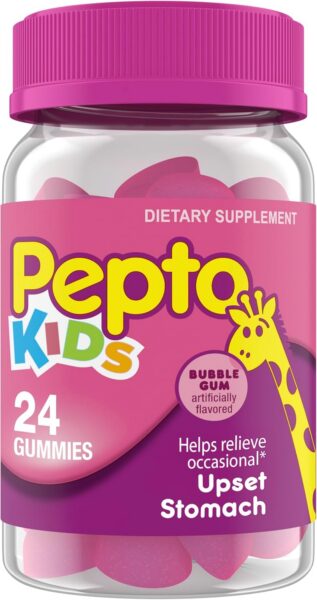
Pepto Kids Gummies, Helps Relieve Occasional Upset Stomach, Acid Indigestion, Sour Stomach and Heartburn, 24 Gummies
Common Symptoms of Rotavirus in Kids
Rotavirus symptoms usually appear about two days after a child is exposed to the virus. Symptoms can be different from child to child. Some children have mild stomach discomfort, while others develop several days of vomiting and diarrhea.
Common symptoms include:
- Watery diarrhea
- Vomiting
- Fever
- Stomach pain or cramps
- Loss of appetite
- Feeling tired or weak
Diarrhea is often the symptom that worries parents the most. A child may have several loose stools in one day, and the stool can be very watery. Vomiting may happen before diarrhea begins and can make it harder for children to drink enough fluids.
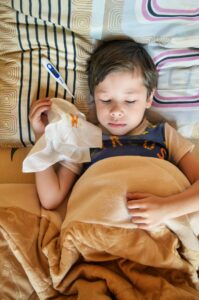
Fever is also common. A mild fever may happen as the body fights the infection. However, a high fever, unusual sleepiness, or other concerning symptoms should not be ignored.
One thing parents often notice is that children may seem better and worse at different times. A child might play for a short period and then become tired again. This is normal during recovery, but parents should continue watching fluid intake and bathroom habits.
How Long Does Rotavirus Last?
Most children recover from rotavirus within several days to about one week. Vomiting often improves before diarrhea does. Some children may continue having loose stools for a little longer while their digestive system returns to normal.
During this time, many parents wonder, “Why is my child still having diarrhea if the vomiting has stopped?” This is because the intestines may need time to heal after the infection. Recovery is not always immediate.
A child’s energy level is usually a helpful clue. A child who slowly becomes more active, drinks fluids, and starts eating small amounts again is often moving in the right direction.
However, if symptoms continue getting worse instead of better, medical advice should be considered. Persistent diarrhea, repeated vomiting, or signs of dehydration need attention.
Rotavirus Treatment: What Parents Can Do
There is no specific medicine that kills rotavirus. Antibiotics do not work because rotavirus is a virus, not a bacterial infection. Treatment mainly focuses on helping the child’s body recover and preventing dehydration.
The most important step is replacing lost fluids.
Parents can help by:
- Offering small amounts of fluid frequently
- Using oral rehydration solution (ORS) when needed
- Continuing breastfeeding if the child is breastfed
- Giving easy-to-digest foods when the child feels ready
A common mistake is trying to make a child drink a large amount at once. After vomiting, a big drink may upset the stomach and cause more vomiting. Small sips given often are usually easier for children to handle.
Oral rehydration solutions contain the right balance of water, salts, and sugar to help the body absorb fluids. Plain water alone may not replace the minerals lost during severe diarrhea.
When appetite returns, children can usually return to normal foods gradually. There is usually no need for a strict diet unless a healthcare provider recommends one.
Signs of Dehydration Parents Should Watch For
Dehydration is the main reason some children with rotavirus need medical care. Young children can become dehydrated faster than adults because they have smaller bodies and fewer fluid reserves.
Signs of dehydration may include:
- Fewer wet diapers or fewer trips to the bathroom
- Dry mouth or dry lips
- No tears when crying
- Extreme tiredness or unusual sleepiness
- Sunken eyes
- A child who seems very weak or difficult to wake
Parents often focus on how many times a child has diarrhea, but the child’s overall condition matters even more. A child with several loose stools who is drinking well and acting normally may be less concerning than a child with fewer symptoms who becomes very sleepy and refuses fluids.
If a child cannot keep any fluids down because of repeated vomiting, medical advice should be requested.
When Should Parents Call a Doctor?
Most cases of rotavirus can be managed at home, but some situations require medical attention.
Parents should contact a healthcare provider if:
- The child shows signs of dehydration
- Vomiting prevents drinking fluids
- There is blood in the stool
- The child has severe stomach pain
- Fever is high or lasts longer than expected
- The child becomes unusually sleepy or difficult to wake
- A baby has fewer wet diapers than usual
Babies, especially very young infants, deserve extra attention because their condition can change quickly. When parents are unsure, it is better to ask a healthcare professional rather than wait and worry.
How to Prevent Rotavirus in Children
Rotavirus spreads easily, but several steps can lower the chance of infection.
Rotavirus Vaccine
Vaccination is the most effective way to protect children from severe rotavirus illness. The vaccine does not guarantee that a child will never get rotavirus, but vaccinated children are much less likely to develop serious symptoms or need hospital care.
The vaccine is given to babies during early infancy. Parents should talk with their child’s healthcare provider about the recommended vaccine schedule.
Good Hand Hygiene
Hand washing remains important, especially:
- After changing diapers
- After using the bathroom
- Before preparing food
- Before eating
However, rotavirus can be difficult to control with hand washing alone because the virus spreads easily. Cleaning toys and frequently touched surfaces is also helpful.
Keep Sick Children Home
A child with vomiting and diarrhea should avoid daycare, school, and group activities until they recover. This helps protect other children, especially babies who may become more seriously ill.
Rotavirus and Food: What Should Kids Eat?
During the worst part of the illness, fluids are more important than food. A child who refuses food for a short time is usually less concerning than a child who refuses all fluids.
Once vomiting improves, parents can slowly offer foods such as:
- Rice
- Bananas
- Toast
- Soup
- Yogurt (if tolerated)
- Soft fruits and vegetables
There is no need to force a child to eat. Appetite usually returns naturally as the body heals.
Sugary drinks, such as soda and some fruit drinks, are usually not the best choice because too much sugar can sometimes make diarrhea worse.
FAQ
Can adults get rotavirus from children?
Yes. Adults can catch rotavirus, although symptoms are often milder than in young children. Parents and caregivers should wash hands carefully after diaper changes and cleaning up vomit or diarrhea.
Is rotavirus the same as the flu?
No. Rotavirus is not influenza. The word “stomach flu” is often used for vomiting and diarrhea illnesses, but rotavirus is a specific virus that affects the digestive system.
Can a vaccinated child still get rotavirus?
Yes, but the illness is usually much milder. The main goal of the vaccine is to prevent severe diarrhea, dehydration, and hospitalization.
How can parents know if diarrhea is serious?
The number of diarrhea episodes is only one part of the picture. Signs such as dehydration, extreme tiredness, inability to drink, or blood in stool are more important warning signs.
How long should a child stay home after rotavirus?
Children should stay home while they have vomiting or frequent diarrhea. The exact timing depends on local childcare or school policies and the child’s recovery.
Can rotavirus come back?
Yes. Children can get rotavirus more than once, but later infections are often less severe because the immune system has some protection.
Final Thoughts
Rotavirus can be stressful for families, especially when a child is vomiting, unable to eat, or having frequent diarrhea. The illness may look frightening, but most children recover well with careful support.
The most important things parents can do are simple: keep fluids going, watch for dehydration, follow vaccine recommendations, and seek medical advice when something does not feel right. A calm and prepared response can make a difficult illness much easier for both children and parents.