When the weather turns cooler in autumn, many kids get sick more easily. One illness parents often hear about is autumn diarrhea. It usually affects babies and young children under 2 years old, but older kids can sometimes get it too.
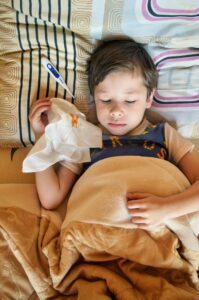
One autumn, I took my child on a short trip. At a small guesthouse, my child touched some things with unwashed hands. Soon after, she started vomiting violently. Even a sip of water would make her throw up. We rushed to a local hospital, and the doctor confirmed she had a viral infection causing diarrhea and vomiting. Luckily, with proper care and hydration, she recovered in a few days. This experience reminded me how easy it is for children to get sick in autumn, especially when hygiene isn’t perfect.
If your child suddenly has watery stools, feels weak, or vomits, it may be autumn diarrhea. This condition is often caused by a virus, most commonly rotavirus. The good news is that most cases can be managed at home with the right care, but parents need to know when to see a doctor.
What Is Autumn Diarrhea?
Autumn diarrhea is a seasonal stomach illness that happens mostly from September to December. Doctors sometimes call it “viral diarrhea” or “rotavirus infection.”
This illness is spread through food, water, or dirty hands. In schools and daycare centers, it spreads very fast because kids share toys, books, and snacks.
The main signs include:
- Frequent watery stools
- Vomiting
- Fever (sometimes)
- Belly pain
- Poor appetite
For most kids, the illness lasts about 3–7 days. The biggest concern is dehydration, which means the body loses too much water.
Why Do Kids Get Autumn Diarrhea?
Children are more likely to get sick in autumn because:
- Weaker immune system: As the weather cools, the body needs to adjust. Kids’ immune systems are not as strong as adults.
- Rotavirus spread: The virus lives on hands, toys, and surfaces. If kids put their fingers or objects in their mouths, the virus spreads easily.
- Crowded environments: Daycare, kindergarten, and school increase the chances of spreading germs.
- Eating habits: Cold drinks, snacks, or unsafe food may upset the stomach.
How to Care for a Child with Autumn Diarrhea
Most children recover at home with simple care. The main goal is preventing dehydration.
Give Enough Fluids
- Offer oral rehydration solution (ORS) from a pharmacy. It has the right balance of salt and sugar.
- If not available, give rice soup, light broth, or water with a little salt and sugar.
- For babies, continue breastfeeding.
Food Choices
- Start with soft, easy-to-digest foods. Good options: rice porridge, bananas, applesauce, toast.
- Avoid oily, fried, or spicy foods.
- Do not give soda or fruit juice because they can make diarrhea worse.
Rest and Comfort
- Let your child rest at home.
- Keep them warm but not overheated.
- Change diapers often to avoid skin irritation.
When to See a Doctor
Parents should seek medical help if:
- The child has diarrhea more than 10 times a day.
- Vomiting is nonstop and the child cannot drink fluids.
- There is blood in the stool.
- The child has a high fever that does not go down.
- Signs of dehydration appear: dry lips, no tears, sunken eyes, very little urination.
How to Prevent Autumn Diarrhea
Prevention is always better than cure. Parents can protect children with these habits:
- Wash hands often: Teach kids to wash before eating and after using the bathroom.
- Clean toys and bottles: Disinfect shared items regularly.
- Safe food and water: Make sure kids eat freshly cooked meals and drink clean water.
- Rotavirus vaccine: Ask your pediatrician about the vaccine. It can lower the risk of severe diarrhea.
- Good rest and nutrition: A balanced diet and enough sleep help the immune system stay strong.
FAQ About Autumn Diarrhea
Q: Can autumn diarrhea spread from child to child?
A: Yes, it spreads easily through hands, food, water, or surfaces. That’s why handwashing is so important.
Q: Can I give my child antibiotics for diarrhea?
A: No, most autumn diarrhea is caused by a virus. Antibiotics do not help unless a doctor finds a bacterial infection.
Q: Is it safe to send my child to school with mild diarrhea?
A: It’s better to keep them at home. This prevents spreading the illness and helps your child recover faster.
Q: How long does autumn diarrhea last?
A: Most cases last 3–7 days. With good care, children usually recover without long-term problems.
Q: Can breastfeeding babies get autumn diarrhea?
A: Yes, but breastfeeding can also protect them by giving antibodies. Continue breastfeeding during illness.