As the weather turns cooler and the day-night temperature difference grows, children are more prone to respiratory and digestive illnesses. Parents naturally want to protect their children as much as possible. Here’s a practical, medical-based guide to help children stay healthy and comfortable this autumn.
1. Dressing Your Child: Layer Up Like an Onion
The old saying “spring warm, autumn cold” doesn’t mean letting children shiver. The key is gradual adaptation to temperature changes to strengthen immunity.
- Layered Dressing (“Onion” Method):
Breathable cotton innerwear, warm middle layers (sweaters/fleece), and windproof outerwear allow flexibility to adjust clothing throughout the day. - Key Areas to Keep Warm:
- Abdomen: Protect with a vest or onesie to prevent digestive issues.
- Back: Check the back of the neck—warm but not sweaty is ideal.
- Feet: Cotton socks keep feet dry and warm.
- Carry a Light Jacket or Vest: Helps adapt to morning chills and warmer midday temperatures.
2. Nutrition: Hydration, Nourishment, and Balance
Autumn is dry, which may affect the lungs and respiratory system. Diet should focus on hydration and nutrient-rich foods.
- Plenty of Water: Warm water throughout the day; avoid sugary drinks.
- Seasonal Foods:
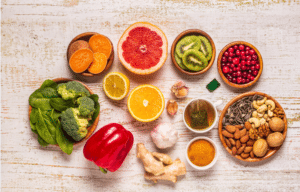
- Vegetables: pumpkin, lotus root, yam, radish
- Fruits: pear, apple, grapes, citrus
- Nuts and grains: white fungus, lily bulbs, sesame (avoid honey for under 1 year)
- Limit Spicy or Fried Foods: Reduce chili, fried foods, and chips.
- Ensure Adequate Protein: Fish, shrimp, eggs, milk, and lean meats support immunity.
3. Daily Routine and Environment: Ventilate, Humidify, and Sleep Wel
- Ventilation: Open windows 2–3 times daily for 15–30 minutes to lower virus concentration indoors.
- Humidity: Use a clean humidifier to prevent dry air from irritating the respiratory tract.
- Sleep: Regular schedules and sufficient sleep improve immunity.
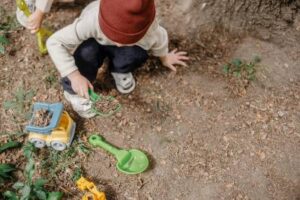
- Outdoor Activity: Walks, light jogging, or ball games help with vitamin D synthesis and overall fitness.
4. Disease Prevention: Stay Alert
Autumn is peak season for rotavirus, influenza, hand-foot-mouth disease, norovirus, and asthma flare-ups.
- Prevent Diarrhea: Wash hands before meals and after bathroom use; disinfect toys and utensils.
- Prevent Respiratory Illnesses:
- Frequent handwashing
- Flu vaccination for children over 6 months before flu season (Sept–Oct)
- Family members with colds should wear masks and avoid close contact
- Teach children not to touch eyes, nose, or mouth
5. When to See a Doctor
Seek medical attention if your child shows:
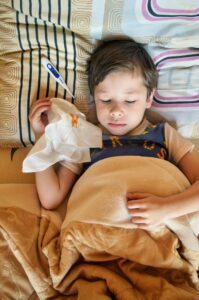
- Fever >38.5°C not responding to medication or lasting more than 3 days
- Unusual irritability or sleepiness
- Breathing difficulties (fast, labored, wheezing, hoarse voice)
- Signs of dehydration (little or no urine for >6 hours, dry lips, sunken eyes)
- Refusal to eat or drink
- Seizures or convulsions
Key Autumn Childcare Takeaways
- Dressing: Warm back, abdomen, and feet; layer clothing
- Nutrition: Stay hydrated, eat seasonal foods, include protein
- Environment: Ventilate, maintain humidity, regular sleep
- Prevention: Handwashing, vaccinations, safety awareness
Careful observation and scientific care help children enjoy a healthy and safe autumn.
FAQ: Children’s Fall Healt
Q1: How can I tell if my child is dressed warmly enough in autumn?
A1: Check the back of the neck and chest—if warm but not sweaty, the clothing is appropriate. Add or remove layers as needed.
Q2: Which fruits are best for autumn to prevent dryness?
A2: Pear, apple, grapes, and citrus fruits are hydrating and help protect the lungs.
Q3: How often should I open windows for ventilation?
A3: 2–3 times a day for 15–30 minutes each time. Avoid crowded, poorly ventilated areas.
Q4: Is outdoor activity safe in cooler weather?
A4: Yes, as long as children wear appropriate layers. Morning and evening may be cooler; midday sun exposure helps with vitamin D synthesis.
Q5: When should I be concerned about fever in my child?
A5: If the temperature exceeds 38.5°C, doesn’t improve with medication, or lasts more than 3 days, see a doctor promptly.
Q6: How can I prevent autumn illnesses like flu and diarrhea?
A6: Regular handwashing, seasonal vaccinations, avoiding close contact with sick individuals, maintaining clean utensils and toys, and a balanced diet are key measures.