Many parents today are facing the same challenge. Kids love iPads. They use them for games, videos, learning apps, and chatting. But sometimes, screen time slowly turns into too much screen time. Children may refuse to stop, get upset when the device is taken away, or spend most of the day on screens.
This is what people often call “iPad addiction,” even though it is more of a habit problem than a real medical addiction in most cases. The concern is real, though. Too much screen time can affect sleep, attention, mood, behavior, and even physical health.
The good news is this: kids can learn healthy screen habits again. It takes patience, structure, and small daily changes. In this article, we will walk through simple, real-life ways parents can reduce iPad overuse without constant fights.
Understand Why Kids Get Stuck on iPads
Before trying to reduce screen time, it helps to understand why kids are so drawn to iPads. It is not just “being stubborn.” Apps and games are built to keep attention.
Some reasons include:
- Bright colors and fast-moving images
- Instant rewards like points and levels
- Endless videos that play automatically
- Easy access anytime at home
- Feeling bored or lonely
For many children, the iPad becomes their main source of fun and comfort. When they are bored, tired, or stressed, they naturally reach for it.
That is why simply saying “stop using it” often does not work. Kids need something better to replace it, not just less of it.
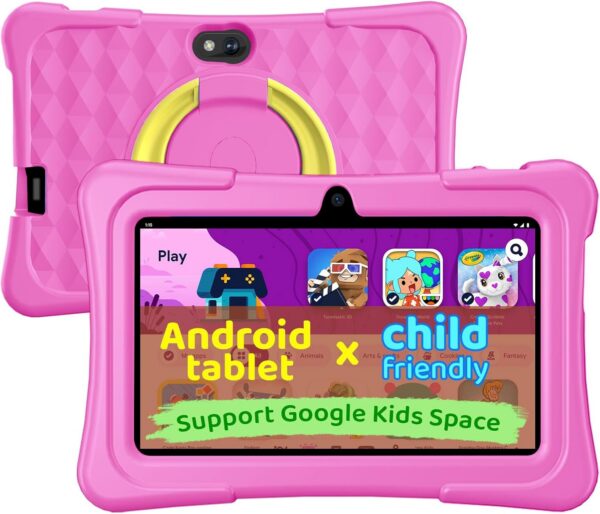
aiprotablet Kids Tablet, 7 inch Android Tablet for Kids
Set Clear and Simple Rules (And Stick to Them)
Children feel safer when rules are clear. If screen time rules change every day, kids get confused and push limits more.
Keep rules simple and easy to remember:
- No iPad during meals
- No screens before bed
- iPad only after homework or chores
- Daily screen time limit (example: 1–2 hours)
The most important part is consistency. If rules are not followed every day, children will not take them seriously.
Also, parents should follow similar habits. If adults are always on phones, kids will copy that behavior.
A simple idea works best:
“Screens have a time and place, not all the time.”
Replace Screen Time with Better Activities
One big mistake parents make is only taking the iPad away without offering anything else. Kids do not like “empty time.” They will quickly return to screens if they feel bored.
So the key is replacement.
Good replacements include:
- Outdoor play like biking or running
- Sports like soccer, basketball, or swimming
- Board games or puzzles
- Drawing, coloring, or crafts
- Reading books or comics
- Cooking simple snacks with parents
At first, kids may resist. That is normal. But after a few days, many children start enjoying offline activities again.
The goal is not just less screen time. The goal is more real-life fun.
Create Screen-Free Zones at Home
Another very helpful strategy is to make certain areas of the home “no screen zones.”
Examples:
- Dining table (no iPads during meals)
- Bedrooms (better sleep without screens)
- Study desk (focus time only)
When screens are not allowed in key places, kids naturally use them less.
This also helps children separate different parts of life:
- Eating is for family time
- Bedroom is for rest
- Study space is for learning
This simple structure reduces constant screen habits.
Build a Daily Routine That Includes Limits
Kids often overuse iPads when the day has no structure. A clear routine helps reduce that.
A balanced day can include:
- School or learning time
- Physical activity
- Free play
- Limited screen time
- Family time
- Sleep
One powerful rule is:
“First responsibilities, then screen time.”
For example:
- Finish homework → then iPad
- Play outside → then iPad
This teaches children that screens are a reward, not the center of the day.
Over time, kids naturally start to expect balance instead of constant screen use.
Make the iPad Less “Addictive”
Small technical changes can reduce overuse without arguments.
Helpful tips:
- Turn off auto-play on videos
- Remove the most addictive apps from home screen
- Disable unnecessary notifications
- Set screen time limits with parental controls
- Keep devices in shared areas, not bedrooms
These changes reduce temptation. Kids are less likely to use the iPad nonstop when it is not always “calling for attention.”
Spend More Time with Your Child
Many children use iPads because they feel bored or want attention. Screens fill that gap quickly.
But real connection is stronger than screens.
Even 15–30 minutes of focused parent-child time can help:
- Talking about their day
- Playing a short game together
- Going for a walk
- Reading a story
- Cooking simple food together
When kids feel emotionally connected, they often reduce screen use naturally.
They choose people over devices when attention is available.
Teach Kids Why Limits Matter
Instead of only saying “no iPad,” explain the reason in simple words.
For example:
- “Too much screen time can hurt your sleep.”
- “Your eyes need a break from screens.”
- “We also need time for real play and exercise.”
Keep it short and calm. No long lectures.
When children understand the reason, they are more likely to cooperate instead of resist.
Be Patient and Reduce Slowly
If a child already uses screens a lot, sudden changes can cause anger or frustration.
A better method is gradual reduction:
- Reduce screen time little by little
- Replace time with other activities
- Celebrate small improvements
For example:
- Reduce by 15–20 minutes every few days
- Add one new offline activity each week
Slow changes feel easier for kids and are more likely to last long-term.
Watch for Emotional Triggers
Sometimes iPad overuse is not just habit. It can be emotional.
Kids may turn to screens when they feel:
- Bored
- Lonely
- Stressed
- Tired
In these cases, reducing screen time alone is not enough.
Parents can help by asking simple questions:
- “Are you bored right now?”
- “Do you want to play together?”
- “What else would you like to do?”
Understanding emotions helps fix the real cause, not just the behavior.
Know When to Ask for Help
Most screen time issues can be managed at home. But sometimes extra help is needed.
Consider support if:
- Child becomes very angry without iPad
- School performance drops
- Sleep is badly affected
- Child avoids all offline activities
- Family conflicts increase daily
A pediatrician or child counselor can give extra guidance if needed.
Conclusion
Reducing kids’ iPad addiction is not about punishment or strict control. It is about balance, structure, and connection.
When parents set clear rules, offer fun alternatives, spend time with their children, and make small changes consistently, screen habits improve over time.
The goal is not to remove technology completely. The goal is to help children use it in a healthy and controlled way—so they still enjoy screens, but they also enjoy real life.
FAQ
1. How do I reduce my child’s iPad addiction?
Set clear limits, create screen-free zones, replace screen time with activities, and follow a consistent daily routine.
2. Is iPad addiction in kids real?
It is usually a habit problem, not a medical addiction, but it can still affect sleep, mood, and behavior.
3. How much screen time is OK for children?
Many experts suggest about 1–2 hours per day of recreational screen time, depending on age.
4. Should I completely ban the iPad?
A full ban is usually not needed. Gradual reduction and balance work better for most families.
5. What are signs of too much screen time?
Signs include anger when stopped, poor sleep, less interest in other activities, and reduced focus.