Diaper rash is one of the most common skin problems in babies. Almost every parent deals with it at some point. The good news is that diaper rash can often be prevented with a few simple habits.
A diaper rash usually appears as red, irritated skin around the diaper area. It can make babies uncomfortable, fussy, and sometimes even cause pain during diaper changes. Knowing how to protect your baby's skin can help keep them happy and comfortable.
Here are 10 practical ways to prevent diaper rash and keep your baby's skin healthy.
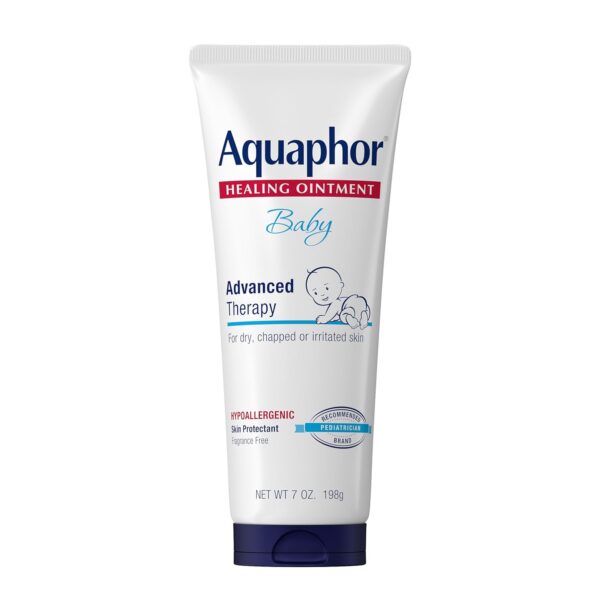
Aquaphor Baby Healing Ointment Advanced Therapy Skin Protectant, Dry Skin and Diaper Rash Ointment, 7 Oz Tube
1. Change Diapers Often
One of the best ways to prevent diaper rash is to change diapers frequently.
When a baby sits in a wet or dirty diaper for too long, the skin stays in contact with moisture and irritants. This can quickly lead to redness and irritation.
Newborns may need diaper changes every two to three hours, and sometimes even more often. Older babies may go longer between changes, but it is still important to check regularly.
Make diaper checks part of your daily routine. A clean diaper helps protect delicate skin.
2. Clean the Skin Gently
The diaper area should be cleaned during every diaper change.
Use warm water and a soft washcloth whenever possible. If you use baby wipes, choose fragrance-free and alcohol-free wipes designed for sensitive skin.
Avoid scrubbing the skin. Gentle cleaning removes urine and stool without causing irritation.
If your baby already has slightly sensitive skin, plain water may be the gentlest option.
3. Let the Skin Dry Completely
Many parents rush to put on a new diaper right after cleaning. However, moisture trapped under the diaper can increase the risk of rash.
After cleaning, gently pat the skin dry with a soft towel. Avoid rubbing.
You can also allow your baby to lie without a diaper for a few minutes. Air exposure helps the skin dry naturally and reduces moisture buildup.
Even a few minutes of air time during each diaper change can make a difference.
4. Use a Barrier Cream
Barrier creams help protect the skin from moisture and irritation.
Products containing zinc oxide or petroleum jelly create a protective layer between the skin and diaper contents.
You do not need to apply a thick layer every time. However, babies with sensitive skin may benefit from regular use, especially at bedtime when diapers stay on longer.
A barrier cream acts like a shield and helps prevent skin damage before it starts.
5. Choose the Right Diaper Size
A diaper that is too tight can rub against the skin and trap moisture.
Check that the diaper fits comfortably around your baby's waist and legs. There should be enough room for movement without leaving deep marks on the skin.
As babies grow quickly, review diaper sizes regularly. A size that fit well last month may now be too small.
A proper fit helps air circulate and reduces skin irritation.
6. Avoid Harsh Products
Babies have delicate skin that can react to strong ingredients.
Some soaps, lotions, wipes, and detergents contain fragrances, dyes, or chemicals that may irritate sensitive skin.
Choose products labeled:
- Fragrance-free
- Dye-free
- Hypoallergenic
- Designed for sensitive skin
When trying a new product, watch for signs of redness or irritation. If a reaction occurs, stop using the product and switch to a gentler option.
7. Give Your Baby Diaper-Free Time
Babies do not always need to wear a diaper.
Allowing some diaper-free time each day helps the skin stay dry and healthy. Fresh air reduces moisture and friction, two major causes of diaper rash.
You can place your baby on a waterproof mat or towel while they play.
Many parents find that diaper-free time is especially helpful after a rash has started or during hot weather.
8. Watch for Diarrhea
Diarrhea is a common trigger for diaper rash.
Frequent loose stools can irritate the skin much faster than urine. Babies with diarrhea may develop a rash within a short period of time.
If your baby has diarrhea:
- Change diapers immediately
- Clean the area gently
- Use a protective barrier cream
- Allow extra drying time
Quick action can help prevent severe skin irritation.
9. Introduce New Foods Carefully
As babies start solid foods, their stools may change.
Some foods can make bowel movements more acidic, which may increase the chance of diaper rash. Every baby reacts differently.
When introducing new foods, pay attention to changes in:
- Stool frequency
- Stool consistency
- Skin redness
- Signs of irritation
Keeping a simple food diary may help identify foods that seem to trigger diaper problems.
10. Treat Early Signs Quickly
Do not wait for a mild rash to become severe.
At the first sign of redness, increase diaper changes and allow more air exposure. Applying a barrier cream early may stop the rash from getting worse.
Watch for symptoms such as:
- Bright red skin
- Swelling
- Small bumps
- Areas that seem painful
Most mild diaper rashes improve quickly with proper care. Early treatment is often the easiest treatment.
When Should You Call a Doctor?
Most diaper rashes improve within a few days. However, some situations need medical attention.
Contact your child's healthcare provider if:
- The rash lasts more than a few days
- The rash becomes severe
- Blisters appear
- There is bleeding
- Pus develops
- Your baby has a fever
- The rash spreads beyond the diaper area
Sometimes a diaper rash may be caused by a yeast infection or bacterial infection that requires medical treatment.
Final Thoughts
Diaper rash is common, but it is often preventable. Frequent diaper changes, gentle cleaning, proper drying, and using a barrier cream can go a long way toward protecting your baby's skin.
Every baby is different, so it may take some time to discover what works best for your child. Paying attention to your baby's skin and responding quickly to early signs of irritation can help prevent discomfort and keep your little one smiling.
Healthy diaper habits are simple, but they make a big difference.
FAQ
What causes diaper rash?
Diaper rash is usually caused by prolonged exposure to moisture, urine, stool, friction from diapers, or skin sensitivity. Diarrhea and certain foods can also increase the risk.
How often should I change my baby's diaper?
Most babies benefit from diaper changes every two to three hours during the day and immediately after bowel movements.
Does diaper-free time help prevent diaper rash?
Yes. Allowing your baby to spend some time without a diaper helps the skin stay dry and reduces moisture-related irritation.
What is the best cream for preventing diaper rash?
Barrier creams containing zinc oxide or petroleum jelly are commonly recommended because they protect the skin from moisture and irritation.
Can teething cause diaper rash?
Teething itself does not directly cause diaper rash. However, some babies may have changes in bowel movements during teething, which can contribute to skin irritation.
Are cloth diapers better for preventing diaper rash?
Both cloth and disposable diapers can work well. The most important factor is changing diapers frequently and keeping the skin clean and dry.
When should I worry about diaper rash?
Seek medical advice if the rash is severe, does not improve within a few days, spreads outside the diaper area, or is accompanied by fever, blisters, or pus.