Period pain can catch a family off guard. A girl may be perfectly fine one day and then curl up on the sofa with lower belly cramps the next. She may feel tired, have a headache, feel sick, or simply not want to do anything.
For some girls, the pain is mild and passes within a day or two. For others, it can be strong enough to interfere with school, sports, sleep, or normal activities. Menstrual cramps are common, but severe period pain should not simply be dismissed as something every girl has to “put up with.” The American Academy of Pediatrics notes that menstrual cramps are common in girls, while persistent or severe pain may need medical evaluation.
The good news is that there are several things that can help. Simple measures such as warmth, gentle movement, rest, and appropriate pain relief can make a real difference. And if the pain keeps coming back or starts interfering with everyday life, there are treatments that can help.
Why Do Girls Get Period Cramps?
Period cramps, also called dysmenorrhea, happen because the uterus contracts during menstruation. These contractions help the uterus shed its lining.
A group of hormone-like chemicals called prostaglandins plays an important role. Higher prostaglandin levels are linked with stronger uterine contractions and more painful cramps.
The pain usually happens in the lower belly. It can also spread into the lower back or thighs. Some girls may have nausea, diarrhea, headaches, dizziness, tiredness, or weakness along with the cramps.
Usually, the worst pain happens around the beginning of the period and improves within a few days.
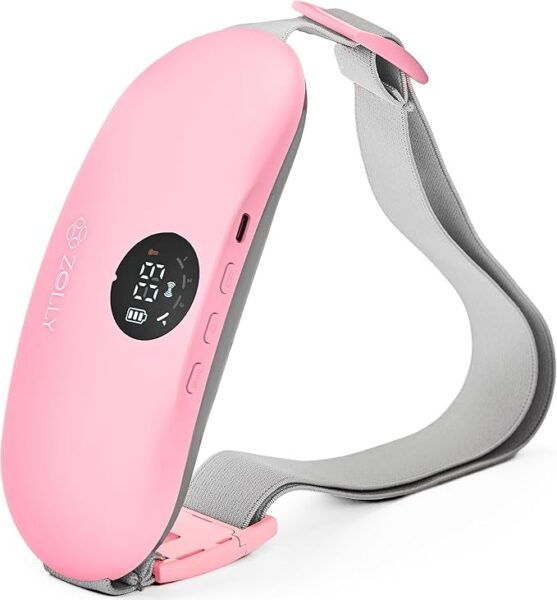
Menstrual Heating Pad for Period Cramps
What Does Normal Period Pain Feel Like?
There is no single level of pain that every girl should expect.
Some girls describe their cramps as a dull ache. Others feel squeezing, throbbing, or sharp waves of pain. It may come and go rather than staying at exactly the same level.
Mild cramps usually do not stop a child from going to school, playing, sleeping, or doing normal activities. Moderate or severe cramps are different. The pain may make her lie down, miss school, skip sports, or wake during the night.
This difference matters.
A girl does not have to be completely pain-free to be healthy. But if period pain regularly takes over her day, it deserves attention rather than being brushed off as “just part of growing up.”
Use Heat for Period Cramps
A warm heating pad or hot water bottle placed on the lower abdomen is one of the simplest things to try.
Heat can help relax tense muscles and may make cramping feel less intense. A warm bath or shower can also be soothing. Both the NHS and Mayo Clinic list warmth as a useful self-care option for period pain.
For younger children, an adult should supervise the use of a heating pad or hot water bottle. It should feel comfortably warm, not extremely hot. Avoid placing very hot objects directly against the skin because burns can happen surprisingly quickly.
Heat is especially useful when a child wants something simple and non-drug-based. Sometimes sitting quietly with a warm pack for a while is enough to take the edge off the pain.
Try Gentle Movement
When the belly hurts, staying completely still can feel like the obvious choice. But gentle movement may actually help some girls feel better.
Walking, gentle stretching, yoga, swimming, or easy cycling can be reasonable options if the child feels up to them. The NHS recommends gentle exercise such as walking, swimming, cycling, and yoga for period pain.
There is no need to force exercise during a painful period. If a girl feels dizzy, weak, very sick, or exhausted, rest may be the better choice.
The goal is not to “exercise the pain away.” It is simply to avoid treating menstruation as a reason a healthy child must stay in bed all day.
Give Her Permission to Rest
There is another side to period pain that sometimes gets overlooked.
A girl may be dealing with cramps while also trying to keep up with homework, school, sports, friends, and family responsibilities. Even moderate pain can feel much harder when she is tired or stressed.
A quiet room, comfortable clothing, a warm drink, and some extra rest may help. Good sleep also matters during the menstrual cycle.
At the same time, period pain does not automatically mean a child needs to stay home from school. If the pain is mild and manageable, normal activities are usually fine. The key is how she actually feels.
If she is repeatedly missing school because of her period, however, that is a useful sign to take seriously.
What About Pain Medicine?
For many girls with menstrual cramps, NSAID pain relievers such as ibuprofen or naproxen can be effective because they reduce the prostaglandins involved in menstrual pain. Mayo Clinic and pediatric guidance list these medicines among common treatments for menstrual cramps.
But children are not simply small adults. The correct medicine, dose, and timing depend on the child's age, weight, health history, and the specific product.
Parents should follow the package directions or ask a pediatrician or pharmacist about the appropriate product and dose. Extra caution is needed for children with certain medical conditions, medication allergies, kidney problems, stomach problems, or other health concerns.
Aspirin should not be given to children under 16 unless specifically directed by a healthcare professional.
For girls who regularly have painful periods, it may also help to discuss pain medicine timing with a healthcare professional. NSAIDs tend to work best when taken early in the course of cramps rather than waiting until the pain becomes very severe.
Should a Girl Take Pain Medicine Before Her Period?
Sometimes, yes—but this should be based on the child's individual situation and appropriate medical guidance.
For girls who have a predictable cycle and regularly develop significant cramps, healthcare professionals may recommend starting an NSAID around the beginning of the period, or sometimes shortly before symptoms normally begin.
This works because NSAIDs reduce prostaglandin production. Waiting until pain becomes intense may make it harder to control.
However, this does not mean every child should automatically take medication before every period. If cramps are mild, simple measures may be enough. If medication is needed regularly, especially in a younger child, it is worth discussing the plan with a pediatrician.
Can a Warm Bath Help Period Pain?
Yes. A warm bath or shower can be a surprisingly useful option.
Warm water may help relax muscles and make cramps feel less intense. It also gives a child a chance to slow down when she is uncomfortable.
There is no medical reason a girl needs to avoid bathing or showering during her period. Pediatric guidance specifically notes that girls can bathe, shower, swim, and take part in normal activities during menstruation.
For some children, a warm shower before bedtime can be particularly comfortable if cramps are making it difficult to relax.
Does Food Affect Period Cramps?
Food is not a magic cure for menstrual pain, and there is no special “period diet” that guarantees relief.
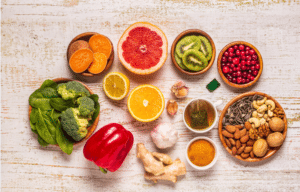
Still, regular balanced meals can help a girl feel better overall. Skipping meals, eating very little, or relying heavily on highly processed foods may leave her feeling more tired or unwell.
Meals can include:
- Whole grains
- Fruits and vegetables
- Eggs, fish, beans, or other protein foods
- Dairy or other calcium-rich foods
- Nuts and seeds
- Plenty of fluids
Some girls also notice that certain foods or drinks make bloating or stomach discomfort worse. Keeping a simple symptom diary can help identify personal patterns.
There is no need to put a child on a restrictive diet just because she has period cramps.
Does Drinking Water Help Period Cramps?
Staying hydrated is a good everyday habit, including during menstruation.
Water will not suddenly stop uterine contractions, but dehydration can contribute to feeling tired, dizzy, or generally unwell. A child who is drinking normally and eating regular meals is usually getting what she needs.
If she has vomiting, diarrhea, very heavy bleeding, or difficulty drinking fluids, the situation is different and medical advice may be needed.
What About Massage?
Gentle massage of the lower belly or back may feel comforting for some girls.
The important word is gentle. There is no need to press hard on the abdomen.
A warm shower followed by a gentle back or belly massage can be a simple way to help a child relax. Research on some non-drug approaches is still developing, so massage should be viewed as a comfort measure rather than a proven treatment for every child.
Should Girls Exercise During Their Period?
Yes, if they feel well enough.
Having a period does not mean a girl needs to stop sports or physical activity. Swimming, walking, cycling, and other activities are generally fine during menstruation.
In fact, regular physical activity may help some girls experience less menstrual discomfort.
But forcing a child to exercise through severe pain is not helpful. If cramps are intense, rest and medical advice may be more appropriate.
The better message is: listen to the body, but don't assume the period itself is a reason to stop being active.
Keep Track of the Pain
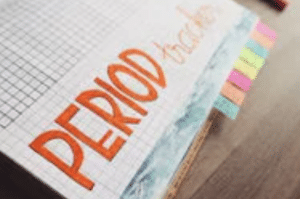
A simple period and symptom diary can be surprisingly helpful.
Record:
- The first day of each period
- How long the bleeding lasts
- When cramps begin
- How severe the pain feels
- Where the pain occurs
- Whether there is nausea, diarrhea, headache, or dizziness
- What treatment was tried
- Whether the treatment helped
- Whether school or activities were missed
This information gives a doctor a much clearer picture if the pain becomes a concern. Mayo Clinic also recommends tracking periods and symptoms before an appointment.
It can also help families notice a pattern. For example, pain may always be worst during the first day, or it may gradually become stronger from month to month.
When Is Period Pain Too Severe?
This is probably the most important question for parents.
A girl should not be expected to simply tolerate severe pain every month.
Talk with a healthcare professional if:
- Period cramps regularly cause missed school.
- Pain prevents normal activities.
- Pain lasts longer than about three days.
- Pain medicine does not provide enough relief.
- The pain is getting worse over time.
- Pain happens when she is not having her period.
- She has repeated vomiting or diarrhea with the cramps.
- Pain is mainly on one side.
- Periods become much heavier or more irregular.
- She has pain when urinating or having a bowel movement.
Pediatric guidance specifically recommends medical evaluation when cramps interfere with normal activities, last more than three days, or occur outside menstrual bleeding.
When Should Severe Period Pain Be Urgent?
Some symptoms should not wait for a routine appointment.
Seek prompt medical care if a girl has severe or unusually severe abdominal or pelvic pain, especially when the pain is much worse than previous periods, she has a fever, cannot walk normally, looks very ill, or there is a possibility of pregnancy.
A sudden, very severe pain that is different from the usual menstrual cramps should not automatically be blamed on a period.
That is an important distinction. Period pain is common, but not every episode of abdominal pain during a period is caused by menstruation.
Could Severe Period Pain Be Endometriosis?
Sometimes painful periods are simply primary dysmenorrhea, meaning the cramps are caused by the normal hormonal process of menstruation.
But severe or worsening pain can sometimes have another cause. One example is endometriosis, a condition in which tissue similar to the uterine lining grows outside the uterus.
Endometriosis can cause significant pelvic pain and may begin during adolescence. Other possible causes of painful periods include ovarian cysts, pelvic inflammatory disease, and other reproductive health conditions.
This does not mean that every teenager with cramps has endometriosis. Most do not.
The point is simply that very painful periods deserve proper attention, especially when they repeatedly interfere with everyday life.
What If Pain Medicine Stops Working?
If a medicine that used to help no longer provides enough relief, that is worth mentioning to a doctor.
The same applies if cramps gradually become stronger each month.
A healthcare professional may ask about the menstrual cycle, pain pattern, bleeding, other symptoms, family history, and medications. Depending on the situation, additional evaluation may be recommended.
For some adolescents with troublesome menstrual pain, hormonal treatments may be considered. These treatments can reduce menstrual bleeding and cramping for some patients, but they should be discussed with an appropriate healthcare professional rather than started without guidance.
How Parents Can Make Periods Easier
Sometimes the most helpful thing is not another treatment. It is making the whole experience less stressful.
A girl should know where to find pads or other menstrual products at home. Keeping supplies in her school bag can also prevent panic when a period starts unexpectedly.
It helps when parents treat period pain as a real health concern rather than something embarrassing or something a girl should simply endure.
A few practical things can make a difference:
- Keep menstrual products easy to access.
- Have a heating pad available.
- Keep track of the menstrual cycle.
- Have an age-appropriate pain relief plan.
- Allow extra rest when needed.
- Make sure she knows she can talk about pain without feeling embarrassed.
- Seek medical advice if pain keeps interfering with daily life.
That last point matters most. A child who repeatedly misses school because of cramps deserves more than a monthly reminder to “just deal with it.”
FAQ
What can a girl do for period cramps?
Heat, a warm bath or shower, gentle movement, rest, and appropriate pain medicine may help. If cramps are severe or interfere with school and daily activities, talk with a healthcare professional.
How can period cramps be relieved quickly?
A heating pad or warm bath may provide fairly quick comfort. For children who can safely take them, NSAIDs such as ibuprofen may help menstrual cramps, but the correct product and dose should be based on age, weight, health history, and package or professional guidance.
Is it normal for girls to have painful periods?
Mild to moderate cramps are common. However, pain that regularly prevents normal activities, causes missed school, or does not improve with usual treatment should be evaluated.
Can a girl take ibuprofen for period cramps?
Ibuprofen is commonly used for menstrual cramps, but it is not appropriate for every child. Follow the product directions and ask a pediatrician or pharmacist if there are questions about age, dose, medical conditions, or other medicines.
Does exercise help period cramps?
Regular physical activity may help some girls with menstrual pain. Gentle activities such as walking, swimming, cycling, and yoga are reasonable choices when the child feels well enough.