Why Some Kids Need a Milk-Free Diet
For some children, milk can be more than just a snack—it can cause real health problems. Milk allergy and lactose intolerance are two main reasons a child might need a milk-free diet. While lactose intolerance is about digesting the sugar in milk, a milk allergy is an immune response to proteins in milk. Parents often notice rashes, stomach upset, or even breathing issues after their child consumes dairy.
Starting a milk-free diet can feel overwhelming. Many families worry about nutrition, especially calcium and protein intake. But with careful planning, kids can grow strong and healthy without dairy. It’s important to replace nutrients naturally found in milk with safe alternatives.
My good friend’s child was allergic to cow’s milk, so she avoided it for a long time. During a routine check-up, they found that her child’s growth had slowed down and overall health had declined. I told her that while children with a milk allergy need to avoid the allergen, it doesn’t mean they can’t find safe alternatives to support healthy growth. After following my advice, she searched online for resources like Milk-Free Diet for Children: Complete Guide. Over time, her child’s growth and overall health returned to normal.
Milk Allergy vs Lactose Intolerance
Understanding the difference matters. A milk allergy can trigger a severe reaction even in tiny amounts. Symptoms may include hives, vomiting, or swelling. Sometimes, children outgrow milk allergies, but it’s unpredictable.
Lactose intolerance, on the other hand, usually causes bloating, gas, or diarrhea after consuming milk. It’s not life-threatening, but uncomfortable. Children with lactose intolerance may tolerate small amounts of dairy or lactose-free products.

Enjoy Life Baking Dark Chocolate Morsels, Dairy Free , Soy Free, Nut Free, Non GMO, Gluten Free
Essential Nutrients Without Milk
Milk is a major source of calcium, vitamin D, and protein. On a milk-free diet, it’s important to replace these nutrients:
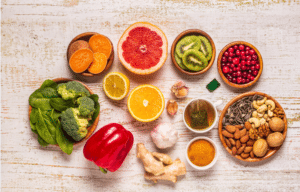
- Calcium: Found in fortified plant milks (almond, soy, oat), tofu, broccoli, and leafy greens.
- Vitamin D: Fortified plant milks, sunlight exposure, and supplements can help.
- Protein: Beans, lentils, quinoa, eggs, soy products, and meat provide sufficient protein.
Safe Milk Alternatives
Switching to milk-free options is easier today than ever. Popular choices include:
- Almond milk, soy milk, oat milk, or rice milk
- Dairy-free yogurt or cheese made from coconut, soy, or nuts
- Lactose-free cow’s milk for children with intolerance but not allergy
When trying alternatives, check labels carefully. Many products are fortified with calcium and vitamin D.
Tips for Introducing a Milk-Free Diet
- Gradual Transition: Slowly replace cow’s milk with alternatives to help kids adjust.
- Read Labels Carefully: Milk proteins can hide in baked goods, sauces, or even chocolate.
- Plan Balanced Meals: Ensure protein, calcium, and healthy fats are included daily.
- Consult a Pediatrician: Before switching, ask about supplements and nutritional gaps.

500 MG Calcium Supplement with Vitamin D3 & K2, Zinc, Magnesium & Prebiotics
Milk-Free Recipes Kids Will Enjoy
- Breakfast: Oatmeal with almond milk, topped with fruit and seeds
- Snack: Apple slices with peanut butter or dairy-free yogurt
- Lunch/Dinner: Lentil soup, tofu stir-fry, or veggie pasta with dairy-free sauce
- Desserts: Banana ice cream, coconut milk pudding, or dairy-free cookies
Parents often search “easy milk-free recipes for kids” or “toddler-friendly dairy-free meals,” so these examples are practical for real families.
Challenges and How to Handle Them
- Eating Out: Check restaurant menus for hidden dairy. Ask staff about ingredients.
- School Snacks: Send labeled, safe options. Inform teachers and caregivers.
- Peer Pressure: Some children feel left out when friends eat cheese or ice cream. Encourage them to enjoy their alternatives proudly.
Search trends like “milk-free school lunch ideas” and “dairy-free snacks for children” are high because families want practical solutions.
Monitoring Your Child’s Growth
A milk-free diet can meet all nutritional needs if carefully planned. Regular pediatric check-ups are essential to monitor:
- Height and weight
- Bone health
- Energy levels and growth milestones
Parents often search “milk-free diet growth concerns” or “child nutrition without dairy” to ensure their kids are thriving.
FAQ Section (SEO-Friendly)
Q1: Can a child get enough calcium without milk?
Yes. Fortified plant-based milks, tofu, leafy greens, and supplements can meet calcium needs.
Q2: What’s the best milk substitute for toddlers?
Soy milk, almond milk, and oat milk are commonly recommended. Look for fortified options with calcium and vitamin D.
Q3: Can children outgrow milk allergies?
Some do, usually by school age. But every child is different. Regular follow-ups with a pediatrician are important.
Q4: Are dairy-free snacks safe for kids?
Yes, as long as ingredients are checked for hidden milk proteins. Many snacks today are specifically designed for children with allergies.
Q5: How to make sure my milk-free child gets enough protein?
Include beans, lentils, tofu, eggs, and meat in their diet. Balanced meals with plant proteins work well.