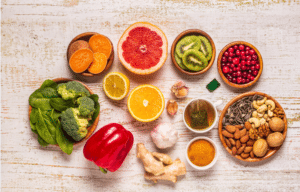
Most parents have faced this question: “Can my child have just one more snack?” Snacks can be a normal part of a child’s diet—but when eaten too often or in the wrong form, they can quietly contribute to weight gain. According to pediatric nutritionists, the key isn’t to completely cut out snacks, but to understand what kinds of snacks are healthy and how much is enough.
The Hidden Sugars That Parents Often Miss
Many parents know that candies and sodas are high in sugar. But “hidden sugars” often sneak into foods that seem healthy. For example:
- Fruit juices: Even 100% juice contains natural sugars similar to soda in quantity. A better choice? Offer fresh fruit instead.
- Flavored yogurt drinks: They often contain as much sugar as desserts. Try plain yogurt with fresh fruit or a drizzle of honey.
- Biscuits and packaged snacks: These may look small, but are calorie-dense and full of refined carbohydrates that cause blood sugar spikes.
Over time, these hidden sugars can make it easy for kids to consume far more calories than their growing bodies need.
Healthier Snack Alternatives
Replacing unhealthy snacks doesn’t have to be difficult or boring. Here are some easy swaps:
- Instead of chips: try baked whole-grain crackers.
- Instead of candy: offer fresh fruit slices, raisins, or a small handful of nuts (for older kids without allergies).
- Instead of sweetened drinks: serve water with lemon slices or unsweetened milk.
Keep healthy options visible and easy to reach—children often eat what they see first!
How Parents Can Help
- Set a schedule: Avoid all-day snacking. Offer snacks between meals, not in place of them.
- Eat together: Kids learn by example. When parents choose water over soda, kids notice.
- Avoid using snacks as rewards: Linking treats to emotions can build unhealthy habits later.
- Plan ahead: Keep cut fruit, yogurt, and nuts ready so healthy choices are convenient.
A good rule of thumb: snacks should make up about 10–15% of a child’s daily calories—not half of their meals.
A Nutritionist’s Perspective
Children don’t need to give up all treats. Occasional sweets are perfectly fine if the rest of their diet is balanced. The real goal is to help kids build a healthy relationship with food—learning that snacks can fuel play and learning, not just satisfy cravings.
FAQ
Q1: Are all sweet snacks bad for kids?
Not necessarily. Natural sugars in fruits are fine because they come with fiber and vitamins. The problem is added sugar in processed foods and drinks.
Q2: My child gets cranky without snacks. What should I do?
Try offering snacks that contain both protein and fiber—like cheese with whole-grain crackers or apple slices with peanut butter. These keep energy levels stable.
Q3: How many snacks a day are okay?
For most children, 1–2 healthy snacks per day are enough. The rest should come from balanced meals.
Q4: What if my child refuses healthy snacks?
Get creative—cut fruits into fun shapes, use colorful bowls, and involve kids in snack prep. When they help, they’re more likely to eat it!
Final Thought
Snacks themselves aren’t the enemy—it’s the type and amount that matter. When parents choose wisely and set good examples, kids can enjoy snacks without worrying about extra weight. Healthy eating is a lifelong habit, and it starts with the small choices made at home.