Hearing that a child may need braces often brings mixed feelings. Some parents feel relieved because there is finally a solution for crowded or crooked teeth. Others worry about the cost, discomfort, or how long treatment might take. These concerns are completely normal.
One thing many parents notice is that braces are becoming more common than they were years ago. School photos, sports teams, and family gatherings often include children wearing braces. This is not because children's teeth are getting worse. In many cases, parents are simply becoming more aware of dental health and seeking treatment earlier.
When an orthodontist recommends braces on both the upper and lower teeth, it usually means the goal is not only to straighten teeth but also to improve how the teeth fit together when the child bites, chews, and speaks.
What Are Upper and Lower Braces?
Upper and lower braces are orthodontic devices attached to both the top and bottom teeth. They work together to gently move teeth into better positions over time.
Braces typically include brackets, wires, and small elastic bands. These parts apply light pressure to the teeth. The movement happens slowly, which helps the surrounding bone adjust safely.
Some parents wonder why braces are needed on both rows of teeth. After all, only the top teeth show when a child smiles. However, orthodontists often look beyond appearance. A beautiful smile is important, but a healthy bite is just as important. If only one set of teeth is corrected while the other remains crowded or misaligned, the bite may still have problems.
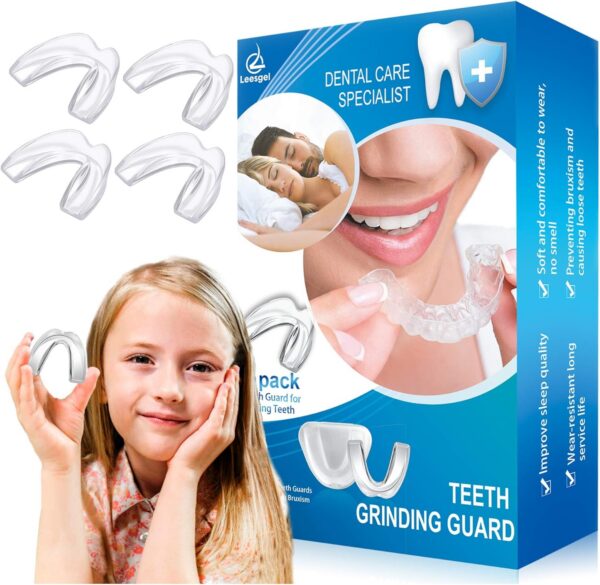
4 Pack Kids Mouth Guard for Grinding Teeth & Clenching, Eliminates TMJ, Stops Bruxism, Athletic Night & Sport Guard (Kid Size)
Why Do Children Need Braces on Both Teeth Rows?
Several common dental issues may require treatment on both the upper and lower teeth.
Crowded Teeth
Crowding happens when there is not enough room for all permanent teeth to fit properly. Teeth may overlap, twist, or grow behind one another.
Crowded teeth can make brushing and flossing harder. Food and plaque may stay trapped between teeth, increasing the risk of cavities and gum problems.
Overbite
An overbite occurs when the upper front teeth extend too far over the lower front teeth.
A mild overbite is common. However, a severe overbite can affect chewing and sometimes cause wear on the teeth.
Underbite
An underbite happens when the lower teeth sit in front of the upper teeth.
Children with underbites may have difficulty biting into foods or speaking clearly in some situations.
Crossbite
A crossbite occurs when some upper teeth fit inside the lower teeth instead of outside.
Without treatment, a crossbite may affect jaw growth and tooth wear over time.
Gaps Between Teeth
Some gaps close naturally as children grow. Others remain large enough to require orthodontic treatment.
Braces can help create a more balanced spacing between teeth.
What Age Should Children Get Braces?
Many parents are surprised to hear that orthodontists often recommend an evaluation around age seven.
This does not mean every seven-year-old needs braces immediately. In fact, most children do not start treatment that early.
Instead, an early evaluation helps identify developing problems before they become more serious. The orthodontist can monitor jaw growth and tooth development.
Most children begin wearing full upper and lower braces between ages 9 and 14. This is usually when many permanent teeth have already erupted, making treatment more effective.
Types of Braces for Children
Parents today have more options than previous generations.
Traditional Metal Braces
Metal braces remain the most common choice for children.
They are durable, effective, and often less expensive than other options. Modern metal braces are also much smaller than older versions.
Ceramic Braces
Ceramic braces work similarly to metal braces but use tooth-colored brackets.
Many older children and teenagers prefer them because they are less noticeable.
Clear Aligners
Some children may qualify for clear aligners.
These removable trays gradually move teeth into position. They can be convenient, but success depends heavily on wearing them as directed.
Not every child is a good candidate. Children who frequently lose things or forget instructions may struggle with removable aligners.
How Long Do Kids Wear Upper and Lower Braces?
This is one of the most common questions parents ask.
Treatment time varies based on the child's dental needs.
Many children wear braces for:
- 12 to 18 months for mild cases
- 18 to 24 months for moderate cases
- More than 24 months for complex cases
The process can sometimes feel slow. Yet teeth and jaw structures need time to move safely. Faster is not always better when it comes to orthodontic treatment.
Do Braces Hurt?
The idea of braces often sounds scarier than the reality.
Most children do not describe braces as painful. Instead, they usually report soreness or pressure after adjustments.
This discomfort often lasts only a few days.
Parents often notice that children adapt surprisingly quickly. What seems like a major change at first often becomes part of daily life within a few weeks.
Soft foods can help during the adjustment period. Foods like yogurt, mashed potatoes, soup, pasta, and smoothies are usually easier to eat.
Caring for Braces Every Day
Good oral hygiene becomes even more important when a child has braces.
Brackets and wires create extra spaces where food particles can hide. Without proper cleaning, plaque can build up quickly.
Helpful habits include:
- Brushing after meals
- Using fluoride toothpaste
- Flossing daily
- Attending regular dental visits
- Following orthodontist instructions
Many orthodontists recommend special floss threaders or water flossers to make cleaning easier.
Foods Children Should Avoid
Certain foods can damage braces.
Parents often notice that the biggest challenge is not brushing. It is remembering which foods are safe.
Foods commonly avoided include:
- Hard candy
- Popcorn
- Ice cubes
- Sticky caramel
- Chewy gum
- Whole nuts
- Hard pretzels
Children can still enjoy many favorite foods. Sometimes foods simply need to be cut into smaller pieces.
What Happens After Braces Come Off?
Many families assume treatment ends when braces are removed.
Actually, retainers play an important role afterward.
Teeth naturally want to shift back toward their original positions. Retainers help maintain the new alignment.
Some children wear retainers full-time at first and later switch to nighttime use.
Skipping retainer wear is one of the most common reasons teeth begin moving again.
Are Upper and Lower Braces Worth It?
Parents often wonder whether braces are truly necessary or simply cosmetic.
In reality, braces can provide benefits beyond appearance.
Properly aligned teeth are often easier to clean. A healthy bite may improve chewing efficiency and reduce uneven wear on teeth. Many children also experience a boost in confidence after treatment.
Perhaps the most important point is that every child is different. Some children need significant correction, while others only need minor adjustments. The best decision comes from evaluating the child's individual needs rather than comparing them to friends or siblings.
A child who receives the right orthodontic treatment at the right time often enjoys benefits that last well into adulthood. Straight teeth may attract attention, but healthy function is usually the real success story behind orthodontic care.
FAQ
1. Do all children need braces on both upper and lower teeth?
No. Some children only need treatment on one arch. Others need braces on both upper and lower teeth to correct bite problems and alignment issues.
2. What is the best age for braces?
Many children start treatment between ages 9 and 14. However, an orthodontic evaluation around age 7 can help identify potential problems early.
3. How much do children's braces cost?
The cost varies depending on location, treatment type, and complexity. Many families pay between $3,000 and $7,000 for comprehensive orthodontic treatment.
4. Can children play sports with braces?
Yes. Wearing a mouthguard is recommended for contact sports to help protect the teeth and braces.
5. How often are orthodontic visits needed?
Most children visit the orthodontist every 4 to 8 weeks for adjustments and progress checks.
6. Can braces improve a child's bite?
Yes. Braces can help correct overbites, underbites, crossbites, crowding, and spacing issues.
7. What foods are easiest to eat after getting braces?
Soft foods such as yogurt, soup, mashed potatoes, pasta, smoothies, and scrambled eggs are often the most comfortable choices.
8. Do teeth move after braces are removed?
Yes. Teeth can gradually shift over time. Wearing retainers helps keep teeth in their new positions.