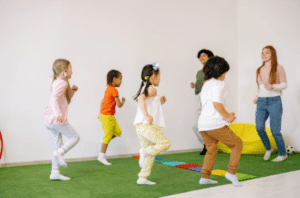
Rainy days don’t have to mean couch time. Even when the weather keeps everyone inside, kids still need to move. Indoor exercise helps beat boredom, release energy, and keep little bodies healthy. Whether you have a small living room or a bigger play area, you can create fun ways for your child to stay active. Let’s talk about the best indoor exercises for kids when rain keeps them indoors.
Why Indoor Exercise Matters
Kids need at least 60 minutes of movement every day. Even short bursts count. Rainy weather can lead to too much screen time and sitting still. That can hurt mood, sleep, and focus. Indoor workouts help balance that. They boost heart health, build muscles, and even strengthen bones. Movement helps with sleep and learning, too. Keeping kids active indoors supports both body and mind.
Simple Cardio Games in Small Spaces
In a narrow hallway or small room, you can turn movement into a game. Playing musical statues encourages kids to move until the music stops, then freeze. Or use a “traffic light” game where green means run in place, yellow means walk, and red means stop and pose. Try jumping jacks, dancing freestyle to favorite songs, or pretending to be different animals as kids move around the room. These games get their heart rate up and make them smile.
Create Your Own Obstacle Course
Turn your living area into a mini challenge course. Use pillows for stepping stones, chairs to crawl under, and towels to jump over. Kids can imagine they are adventurers crossing a foggy river or astronauts on a mission. Set timers, cheer them on, or let them race against a sibling. This kind of play builds strength and balance. It uses creativity to keep kids moving without needing big equipment.
Dance Breaks and Movement Videos
Kids respond well to music. Turn on an upbeat playlist or a kid-friendly dance video. Follow simple moves or let them freestyle. Dance breaks during homework or TV time break up sitting and get the energy flowing. For older kids, try following along to dance routines on apps or channels made for kids. Some parents like to pause the show every 15 minutes and invite their child to move for a few minutes. It’s a simple way to hit activity goals without leaving the living room.
Stretching and Gentle Movement
Not all movement has to be fast. A short yoga session can stretch muscles and calm the mind. Teach easy poses like child’s pose, downward dog, or butterfly pose. Use online guided videos designed for kids. Even gentle stretching helps release tension. If your child is too tired for jumping or running, stretching can still count as movement. It helps flexibility, coordination, and can settle anxious energy.
Bodyweight Strength Moves
Your floor is all you need for simple strength exercises. Try push-ups from knees, gentle sit-ups, or pretending to climb ropes. You can turn these into fun by creating a “superhero workout” that includes push-ups to “fly,” squats to “jump tall,” or lunges to “march like a robot.” These movements build muscle without weights. They keep kids moving and help with coordination.
Interactive and Active Screen Time
Some games promote physical movement. Family-friendly dance or movement games on video consoles encourage cardio. Fitness apps for children offer short, guided activity sessions. Virtual reality games can guide kids to jump or dodge in place. These tools can be an occasional way to keep activity fresh. Always combine with other movement types so kids don’t just stay in front of a screen.
Exercise Challenges and Rewards
Motivate movement with fun challenges. Set a goal to do thirty jumping jacks or hop back and forth thirty times. Track progress with a chart, sticker wall, or coins in a jar. After a week of consistent activity, reward your child with a family game night, special snack, or park walk once the weather clears. The key is to celebrate effort, not performance.
Games That Mix Mental and Physical Skills
Try games like Simon Says or memory tag that combine thinking with movement. Ask your child to follow commands like touch their nose, then jump or spin. This keeps the brain active while encouraging movement. Another game might be “math hop,” where they jump to step answers when you call out sums. These games blend learning and movement in a playful way.
Encouraging Group and Family Movement
Family movement time brings you closer and keeps kids flexible. Do a short aerobics routine together, have a dance-off, or toss a balloon back and forth for 15 minutes. Older siblings can lead brand-new games like obstacle races or freeze tag indoors. These times become fun routines, normalizing activity even when rain stops outdoor play.
Movement for Kids with Special Needs
All children can participate in indoor exercise. Children with mobility challenges can do seated exercises like arm circles or stretching with resistance bands. Light weight-bearing moves like wall push-ups or leg lifts help build strength. Parents can work with therapists to design safe and enjoyable movement routines based on ability. Every child deserves to feel strong and capable.
How to Keep Kids Moving Without Pressure
Stay flexible. Let kids pick their favorite activity from a list: dance, pretend to be animals, mini obstacle course, or stretching. Offer praise and encourage trying something new. Avoid focusing on calories burned or competition. Keep the tone positive: movement should feel fun, not forced. When kids enjoy it, they want to do it again.
Connecting Indoor Exercise to Learning
Movement helps memory and attention. Teachers and parents can use movement breaks during study time. For example, after ten minutes of reading, have a mini exercise session. Kids return to learning calmer and more focused. Studies show that physical breaks improve school performance and behavior. Movement and learning go hand in hand.
Planning When Weather Is Unpredictable
Create a rainy-day plan with fun activity ideas ready in a jar. Include written or drawn slips like “dance party,” “indoor hopscotch,” or “yoga for kids.” When it rains, pick one and do it together. Rotate ideas to keep it fresh. Plan for routine: maybe one indoor activity mid-morning and another late afternoon to break up the day.
Making Activity Part of Daily Habits
Turn non-sport times into movement opportunities. After meals, do a quick dance song together. During TV commercials, stand and stretch. While brushing teeth, march in place. These small habits add up. They help kids reach the daily 60-minute target gradually and feel natural.
When to Talk to a Doctor
If your child experiences pain during movement or shows unusual fatigue or breathing difficulty, consult your pediatrician. Certain conditions may require modified exercise routines or special care. Exercise is positive for most children, but it should match their health and abilities.
Final Thoughts on Fun Movement
Rainy days don’t have to sideline kids’ activity. With creative games, dance, short workouts, and family routines, indoor exercise can be joyful and effective. The key is fun and consistency. When children move every day—even inside—they grow stronger, learn better, boost mood, and build healthy habits for life.
FAQ
- Can playing games indoors count as exercise?
Yes. Active games like tag, dancing, or obstacle courses help kids meet activity goals and boost their health. - How much movement should my child get each rainy day?
Kids should aim for around 60 active minutes daily, even if indoors. That can be split into short activity times throughout the day. - What if my child dislikes structured exercise?
That’s okay. Choose playful activities like dancing, pretend games, or household movement that feel fun, not formal. - How do I limit screen time and still keep kids active?
Set a screen limit and offer engaging alternatives like dance breaks, obstacle games, or short app-based movement sessions. - When should I worry about my child's activity levels?
If your child aches, feels dizzy, or has breathing trouble during movement, talk to a pediatrician for advice on safe activity.
References
Centers for Disease Control and Prevention (CDC): Physical Activity Guidelines for Children and Teens
World Health Organization (WHO): Children & Physical Activity Recommendations
Better Health Victoria: Active Play Guidelines for Children
Verywell Mind: Benefits of Movement for Kids’ Mental Health
ChildrensColorado.org: How Active Play Supports Learning and Mood