Anxiety isn’t just something adults feel. Many kids deal with it too. School stress, social worries, or even big changes at home can make kids feel nervous, sad, or overwhelmed. But did you know that simple daily exercise can actually help kids feel better? That’s right. Moving the body can calm the mind. Let’s talk about how physical activity helps kids with anxiety, and what kind of exercises work best.
What Is Anxiety in Kids?
Anxiety in kids is when they feel worried, scared, or uneasy more often than usual. Some kids may have trouble sleeping. Others may not want to go to school or play with friends. Some may even complain about tummy aches or headaches when they're nervous. It doesn’t mean they’re just being shy or sensitive. Anxiety is real, and it can affect how a child feels every day.
How Exercise Helps the Brain
Exercise is not just for building muscles. It helps the brain too. When kids move their bodies, their brains release feel-good chemicals called endorphins. These chemicals help reduce stress and boost mood. Exercise also helps kids sleep better, focus more, and feel more in control of their emotions. Even a short walk or a few minutes of dancing can make a difference.
What Types of Exercise Help With Anxiety?
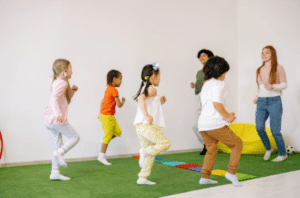
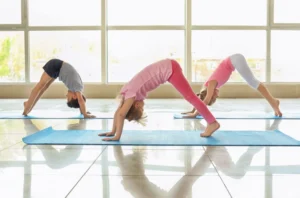
Different kinds of movement can help different kids. Some like to run and jump. Others prefer calm, quiet activities. Both can help reduce anxiety. Running, biking, or jumping rope can help burn off nervous energy. Yoga, stretching, or slow breathing exercises help calm the body and mind. Even dancing to music or doing silly workouts at home can bring joy and help kids relax.
How Much Exercise Do Kids Need?
Experts say kids should get at least 60 minutes of physical activity every day. This doesn’t have to be all at once. It can be broken into short parts. Maybe a 20-minute walk after breakfast, 10 minutes of dancing after school, and some stretching before bed. What matters most is that they move often and enjoy it.
Making Movement Part of the Day
It’s easier to stick with exercise if it’s part of a daily routine. Try to find a time that works for your child. It might be a quick morning stretch, active play after homework, or a short walk after dinner. Let your child choose some of their favorite ways to move. The more fun it is, the more likely they’ll want to keep doing it.
Indoor Activities for Rainy Days
Even when kids can’t go outside, they can still stay active. Try simple home workouts, dance videos, yoga apps for kids, or even games like Simon Says. These activities help the body move and the brain focus on something positive.
Family Support Matters
Kids may not always feel like moving, especially if they feel anxious. That’s where parents and caregivers come in. Your support can make all the difference. Join in the fun. Dance with them. Go for walks together. Turn movement into family time. When kids see adults being active and calm, it teaches them good habits and helps them feel safe.
Movement and Mindfulness
Exercise and mindfulness can work together. Mindful movement means paying attention to how your body feels while moving. It helps kids slow down and notice their breath, heartbeats, or how their muscles stretch. Simple yoga or deep breathing while moving can calm the body and bring peace to the mind.
What If My Child Doesn’t Like Exercise?
Not every child loves traditional sports or workouts. And that’s okay. Find what works for your child. Maybe they like to dance to silly music, play tag, or help wash the car. All of that counts as movement. Let your child try different activities until they find something they enjoy. The goal is to move, not to be perfect.
When to Ask for Help
While exercise can help reduce anxiety, it may not be enough for every child. If your child seems very sad, worried all the time, or has trouble with daily life, talk to a doctor or counselor. Exercise is one tool, but sometimes kids need more support, and that’s perfectly okay.
Final Thoughts
Exercise is a simple, safe, and fun way to help kids with anxiety. It helps their brains feel better, their bodies stay strong, and their emotions feel more balanced. The best part? You don’t need a gym or fancy tools. Just a little time, encouragement, and some fun movement can make a big difference.
FAQ
- Can exercise really help with anxiety in kids?
Yes. Moving the body helps the brain release chemicals that improve mood and reduce stress. - What are the best exercises for anxious kids?
Any fun activity works—walking, biking, dancing, yoga, or stretching. Let your child choose. - How long should kids exercise each day?
At least 60 minutes total, broken into smaller parts is fine. - What if my child doesn’t like sports?
That’s okay. Find fun ways to move, like dancing, chores, or playing outside. - Should I talk to a doctor if my child has anxiety?
Yes. Exercise helps, but a doctor or counselor can offer more support if needed.
References
- Centers for Disease Control and Prevention (CDC) – Physical Activity Guidelines for Children
- American Psychological Association – Exercise and Mental Health
- Child Mind Institute – Helping Kids With Anxiety
- Harvard Health – The Exercise Effect
- Nemours KidsHealth – Anxiety in Kids