Iron is one of the most important nutrients for growing kids. It helps carry oxygen in the blood, supports brain development, and keeps energy levels steady. Yet, iron deficiency is surprisingly common among children, even in otherwise healthy families. Recognizing the signs early and knowing how to address them can make a real difference in your child’s growth and daily life.
Common Signs of Iron Deficiency in Children
Iron deficiency doesn’t always announce itself loudly. Sometimes, it shows up in subtle ways that parents might overlook. Here are some signs to watch for:
- Fatigue or low energy even after sleep
- Pale skin or pale inside of the eyelids
- Brittle nails or unusual hair loss
- Irritability or mood changes
- Slow growth or delayed development
- Trouble concentrating or learning at school
Some kids may have mild symptoms at first, and it’s easy to dismiss them as just being “tired” or “moody.” But if multiple signs appear together, it’s worth checking with a pediatrician.

One A Day Kids Multivitamin with Iron Gummy, Vitamin D, Vitamin C, E, Zinc for Immune Support
Causes of Iron Deficiency in Children
Several factors can contribute to low iron levels in kids. Understanding these can help parents prevent or correct the problem.
1. Diet Low in Iron
Many kids simply don’t get enough iron-rich foods. Diets heavy in processed foods, sweets, or dairy may leave gaps in essential nutrients.
2. Rapid Growth
During growth spurts, kids need more iron to keep up with increasing blood volume and developing tissues. Toddlers and preteens are especially vulnerable.
3. Blood Loss
Chronic or heavy bleeding—from nosebleeds, intestinal issues, or heavy periods in older girls—can reduce iron stores.
4. Absorption Issues
Some conditions, like celiac disease or inflammatory bowel disease, can make it harder for the body to absorb iron even if diet is adequate.
5. Premature Birth or Low Birth Weight
Babies born early or smaller than average may start life with lower iron reserves, making careful monitoring during early years important.

Renzo's Iron Supplements for Kids, Dissolvable Vegan Iron Supplement with Vitamin C, Sugar Free
Food Fixes for Iron Deficiency in Kids
Iron can be obtained from both animal and plant sources. Animal-based iron (heme iron) is absorbed more easily, while plant-based iron (non-heme) benefits from pairing with vitamin C-rich foods.
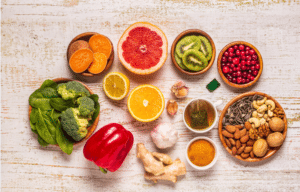
Iron-Rich Foods to Include:
- Lean meats: beef, lamb, chicken, turkey
- Fish: salmon, sardines, tuna
- Eggs, especially yolks
- Legumes: lentils, chickpeas, beans
- Leafy greens: spinach, kale, swiss chard
- Iron-fortified cereals or oatmeal
- Nuts and seeds (if age-appropriate and safe)
Tips for Better Absorption:
- Serve iron-rich foods alongside fruits like oranges, strawberries, or bell peppers. Vitamin C boosts iron absorption.
- Avoid giving tea, coffee, or large amounts of milk around iron-rich meals; they can inhibit absorption.
- Try creative recipes like lentil soups, beef stir-fries, or spinach pancakes to make meals fun and tasty.
Practical Habits to Boost Iron Intake
Consistency matters. Small, daily improvements can prevent iron deficiency before it becomes serious:
- Include at least one iron-rich food per meal.
- Rotate different sources of iron to keep meals interesting.
- Encourage healthy snacks like hummus with veggies or nut butter on whole-grain toast.
- Monitor picky eaters carefully; iron-rich foods are often among the most rejected, so patience and creativity are key.
When to See a Doctor
Mild iron deficiency can often be managed with diet. But in some cases, medical evaluation is necessary:
- Persistent fatigue or pallor despite dietary efforts
- Signs of developmental delay or difficulty concentrating
- Blood test confirming low hemoglobin or ferritin levels
- Children with chronic illnesses or absorption problems
A pediatrician may recommend iron supplements if diet alone isn’t enough. It’s important to follow dosage instructions carefully, as excess iron can be harmful.
FAQ – Iron Deficiency in Kids
Q1: How much iron do children need daily?
A1: Requirements vary by age. Toddlers need around 7–10 mg, while older children need 10–15 mg daily. Your pediatrician can give personalized guidance.
Q2: Can vegetarian kids get enough iron?
A2: Yes! Plant-based sources like lentils, beans, spinach, and fortified cereals work well, especially paired with vitamin C-rich foods.
Q3: What foods should be avoided for better iron absorption?
A3: Limit tea, coffee, or high-calcium foods near iron-rich meals. These can interfere with absorption.
Q4: Can iron deficiency affect school performance?
A4: Definitely. Iron supports brain function, attention, and memory. Low iron can make concentration harder.
Q5: How long does it take to fix iron deficiency?
A5: With dietary changes and/or supplements, improvements may be seen in a few weeks, but full recovery can take several months.