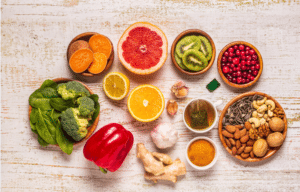
Protein is one of the most essential nutrients in a child’s diet. It serves as the main building material for the body, helping to build muscles, produce hormones, strengthen skin and bones, and transport nutrients. Most importantly, protein plays a vital role in supporting the immune system.
Including protein in every meal helps children grow properly, maintain stable blood sugar, build strong muscles, and stay full longer, preventing constant hunger or energy crashes.
How Do You Know if Your Child Is Getting Enough Protein?
Most children get more than enough protein from their regular diet. In many Western countries, children’s protein intake is often two to three times higher than the recommended amount
Therefore, protein powders or high-protein supplements are rarely necessary.
However, some children may need extra attention—especially those going through growth spurts, recovering from illness, or who are picky eaters or on vegetarian/vegan diets.
If you’re unsure about your child’s specific nutritional needs, it’s best to consult a pediatrician or a registered dietitian.
How Much Protein Do Children Need Daily?
Here are general daily protein recommendations by age group:
- Toddlers (1–3 years): ~13 g/day
- Children (4–8 years): ~19 g/day
- Children (9–13 years): ~34 g/day
- Teen boys (14–18 years): ~52 g/day
- Teen girls (14–18 years): ~46 g/day
These are average estimates. Actual needs depend on the child’s weight, activity level, growth rate, and health condition.

Orgain Kids Protein Powder Shake Mix, Vanilla Bean Ice Cream
How Much Protein Is in Common Foods?
Here are examples of everyday foods and their approximate protein content per serving:
- ½ cup milk: 4 g protein
- ¼ cup beans (black, chickpeas, lentils): 4–5 g
- ½ egg: 4 g
- 1 tablespoon peanut butter: 3 g
- ¼ cup plain Greek yogurt: 5 g
- 1 oz canned wild salmon or tuna: 6 g
- ½ cup cooked whole wheat pasta: 4 g
- 1 oz lean meat: 8 g
- ½ cup dry oatmeal: 5 g
Knowing these numbers can help parents plan balanced meals with sufficient protein each day.
When Should Parents Pay Extra Attention to Protein Intake?
Protein needs may increase in certain situations:
- Growth spurts: When children suddenly grow taller or gain muscle quickly.
- Picky eaters or vegetarians: Limited food choices can affect protein quality and variety.
- Recovery from illness: The body requires extra nutrients to rebuild tissue and regain strength.
- High physical activity: Children in sports or physically active programs may need more protein.
However, too much protein can also be a problem. Studies show that children in developed countries often consume 2–3 times the required amount, which can place unnecessary strain on the body.
Practical Tips to Ensure Adequate Protein Intake
Here are some simple, practical tips for parents:
- Include at least one protein source in every meal — such as meat, eggs, dairy, legumes, or nuts (depending on age and allergy safety).
- Combine protein with vegetables or whole grains — for example, chicken + brown rice + peppers, or hummus + whole-grain pita + cucumber sticks.
- Offer protein-rich snacks such as yogurt, cheese, nuts, or boiled eggs.
- Avoid relying solely on protein shakes or bars. Whole foods are generally better for long-term health.
- Watch for signs of protein deficiency, such as frequent fatigue, poor growth, or weakened immunity.

NuBest Tall Protein Powder for Kids & Teens
Summary
Protein is crucial for children’s growth, development, and immune function.
A balanced diet with a variety of protein sources—milk, eggs, beans, fish, meat, and grains—is usually enough to meet their needs.
You don’t need to over-supplement; as long as your child eats a diverse and balanced diet, they’ll grow healthy and strong.
FAQ: Common Questions About Protein for Kids
Q1: How much protein does my child really need each day?
A: As a general guide — 1–3 years: ~13 g; 4–8 years: ~19 g; 9–13 years: ~34 g. Needs vary with body weight and activity level.
Q2: Can vegetarian children get enough protein?
A: Yes. Combining plant-based protein sources (like beans, tofu, nuts, and whole grains) provides enough essential amino acids. Just make sure they also get vitamin B12 and iron.
Q3: When should I avoid protein supplements?
A: If your child eats normally, grows well, and is healthy, protein supplements aren’t needed. Overconsumption may increase unnecessary health risks.
Q4: How do I know if my child is low on protein?
A: Possible signs include constant tiredness, slow growth, frequent illness, or poor wound healing. A doctor or dietitian can confirm through evaluation.
Q5: Is milk and meat enough to cover daily needs?
A: They’re great sources, but variety matters. Rotate between animal and plant proteins—milk one meal, eggs the next, beans or tofu another—to ensure balanced amino acid intake.