Flu season can be tough for children and parents. One child gets a runny nose, another starts coughing, and before long, the whole family may be feeling under the weather. While getting a flu vaccine and practicing good hygiene are important ways to prevent illness, everyday food choices also play a role in keeping the body healthy.
Can certain foods help children fight off the flu? Well, there is no magic food that can stop a virus from entering the body. However, the immune system needs a steady supply of nutrients to work properly. A balanced diet with plenty of fruits, vegetables, protein, and whole grains can help support children's immune health.
The good news? Many of these foods are already familiar to kids. A bowl of chicken soup, a handful of berries, or some roasted sweet potatoes can all be part of a healthy eating plan.
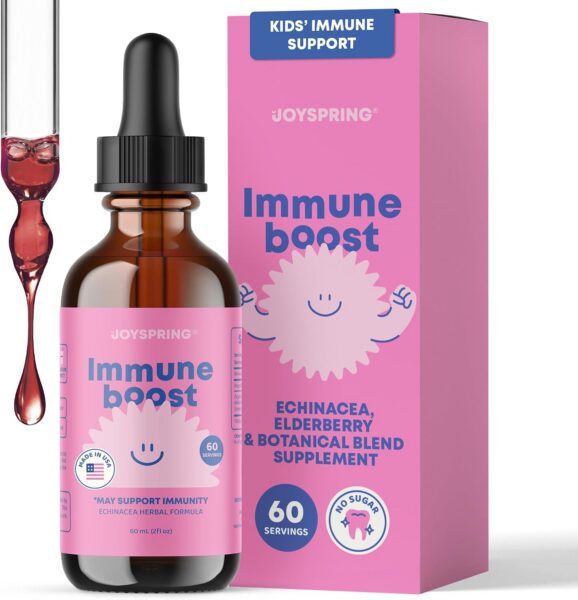
JoySpring Immune Support for Kids, Elderberry Immunity Drops, 2 fl oz
Keep Children's Immune Systems Healthy
A child's immune system is constantly working to protect the body from germs. Good nutrition helps provide the vitamins, minerals, and protein needed for normal immune function. But eating well is only one part of the picture.
Start With a Balanced Diet
Children need a variety of foods rather than relying on one special ingredient. Fruits and vegetables provide vitamins and antioxidants, while eggs, fish, beans, meat, and dairy products supply protein and other important nutrients.
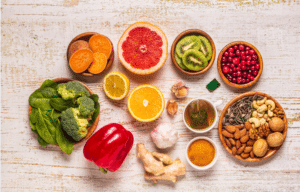
Try to include different colors on the plate. Orange carrots, green broccoli, red bell peppers, and blueberries each provide different nutrients. If a child refuses one vegetable, another may be easier to accept. There is no need to turn every meal into a battle.
Make Water the First Choice
Drinking enough fluids helps children stay hydrated, especially when they have a fever or a sore throat. Water is usually the best everyday drink. Milk and other nutritious drinks can also contribute to fluid intake.
Sugary drinks and soda are not necessary for keeping the immune system healthy. During illness, offer small amounts of fluids regularly if a child does not feel like drinking much at once.
Don't Forget Sleep and Physical Activity
Food alone cannot do all the work. Children need enough sleep for healthy growth and normal immune function. Regular physical activity, outdoor play, and time to relax also support overall health.
Try to keep a regular bedtime, even during busy school weeks. A child who stays up late every night may feel tired and have a harder time keeping up with daily activities.
6 Nutrients That Support Children's Immune Health
Certain nutrients help the immune system develop and function normally. They are best obtained through a variety of everyday foods.
1. Vitamin C
Vitamin C helps protect cells from damage and supports several immune system functions. It also helps the body make collagen and absorb iron from plant foods.
Good food sources include oranges, strawberries, kiwi, bell peppers, tomatoes, and broccoli. A small bowl of fresh fruit or some sliced bell peppers makes an easy snack for children.
Vitamin C supplements are not a guaranteed way to prevent the flu. Getting enough from food is a sensible starting point for most healthy children.
2. Vitamin D
Vitamin D supports immune function and helps the body absorb calcium for strong bones and teeth. Children can get vitamin D from foods such as salmon, eggs, and fortified milk or plant-based drinks.
However, not all foods contain much vitamin D, so some children may need a supplement depending on their age, diet, and health needs. Parents should ask a healthcare professional about the right amount rather than giving high doses on their own.
3. Zinc
Zinc plays an important role in immune cell development and normal wound healing. Children who do not get enough zinc may have problems with normal growth and immune function.
Beef, seafood, beans, lentils, pumpkin seeds, nuts, and whole grains are useful sources. For younger children, beans or finely ground nuts can be easier to serve safely.
4. Beta-Carotene
Beta-carotene is a natural plant pigment that gives foods their orange, yellow, and some green colors. The body can turn it into vitamin A, which helps maintain healthy skin, eyes, and immune function.
Sweet potatoes, carrots, spinach, pumpkin, mangoes, and broccoli are good choices. Roasted sweet potato wedges or carrot soup can be an easy way to add these foods to a child's meal.
5. Protein
Protein helps the body build and repair tissues. It is also needed to make immune cells and other important substances that help the body respond to infections.
Eggs, chicken, fish, milk, yogurt, beans, tofu, nuts, and lentils all provide protein. Try to include a source of protein in regular meals instead of relying on protein powders or supplements.
6. Probiotics
Probiotics are living microorganisms that may provide health benefits when consumed in adequate amounts. Some are found in yogurt with live cultures, kefir, and certain fermented foods.
However, not all probiotic products have the same effects, and research on preventing respiratory infections in children is still developing. Yogurt can be a nutritious snack, but it should not be treated as a flu prevention product.
Food Myths: What Really Helps During Flu Season?
There is plenty of advice about immune-boosting foods, especially when flu cases start increasing. Some claims have a little truth behind them, while others are simply not supported by good evidence.
Fact: Chicken Soup Can Be Comforting During a Cold
Warm chicken soup can help children feel more comfortable when they have a stuffy nose or sore throat. The broth provides fluids, while chicken and vegetables add protein and nutrients.
It is not a cure for the flu, but a warm bowl of soup can be easier to eat when a child has a poor appetite.
Myth: Vitamin C Prevents the Flu
Vitamin C is important for immune health, but taking extra vitamin C does not guarantee protection against influenza. Research suggests that regular vitamin C supplementation may slightly shorten common cold symptoms in some people, but this does not mean it prevents the flu.
Children should get vitamin C from foods whenever possible. Supplements should only be used when appropriate for their needs.
Myth: Drinking Milk Produces More Mucus
Some parents avoid milk when their children have a cold because they believe dairy increases mucus production. However, research has not shown that milk causes the body to produce more mucus.
Milk may leave a temporary coating in the mouth and throat, which can make saliva feel thicker. If a child tolerates dairy well, there is usually no reason to remove it during a cold.
Myth: More Vitamins Mean Stronger Immunity
Taking extra vitamins does not automatically make a child's immune system stronger. Too much of certain vitamins and minerals can even be harmful.
A balanced diet is usually enough for healthy children. If a child has a restricted diet, poor growth, or a known nutrient deficiency, a healthcare professional can help decide whether supplements are needed.
Easy Foods to Add to a Child's Flu Season Menu
Healthy eating does not have to involve complicated recipes or expensive ingredients. Simple meals can provide plenty of useful nutrients.
- Breakfast: Scrambled eggs, whole-grain toast, and fresh orange slices.
- Lunch: Chicken and vegetable soup with whole-grain bread.
- Snack: Plain yogurt with strawberries or blueberries.
- Dinner: Baked salmon, roasted sweet potatoes, and broccoli.
Children may not enjoy every food right away. Offering small portions without pressure can help them become more comfortable with new flavors over time.
Other Ways to Protect Children During Flu Season
Healthy food supports the immune system, but it cannot replace basic flu prevention.
The CDC recommends annual flu vaccination for everyone aged 6 months and older, with rare exceptions. Parents should also encourage children to wash their hands regularly, cover coughs and sneezes, avoid close contact with sick people, and stay home when they are ill.
If a child develops flu symptoms, watch for signs such as fever, cough, sore throat, body aches, and unusual tiredness. Children at higher risk of flu complications should receive medical advice promptly. Antiviral medicines may help when started early, especially for children at higher risk.
Difficulty breathing, bluish lips, dehydration, unusual sleepiness, or symptoms that improve and then return with a worse fever or cough require prompt medical attention.
Good nutrition, enough rest, vaccination, and everyday hygiene all work together. No single food can do the job alone.
FAQ
1. What foods help boost a child's immune system?
Fruits, vegetables, eggs, fish, chicken, beans, yogurt, and whole grains provide nutrients that support normal immune function. A variety of foods is more helpful than relying on one so-called superfood.
2. Does vitamin C prevent the flu in children?
No. Vitamin C supports immune health, but it does not guarantee protection against influenza. Children can get vitamin C from oranges, strawberries, kiwi, and bell peppers.
3. Is chicken soup good for kids with the flu?
Chicken soup provides fluids, protein, and nutrients. Its warmth may also soothe a sore throat and help children feel more comfortable. However, it does not cure influenza.
4. Does milk increase mucus when children have a cold?
No good evidence shows that drinking milk increases mucus production. Children who tolerate dairy can generally continue drinking milk when they have a cold.
5. Should children take vitamins during flu season?
Most healthy children can get the nutrients they need from a balanced diet. Supplements may be useful for children with certain deficiencies or dietary restrictions, but parents should ask a healthcare professional before giving them.
6. What is the best way to prevent the flu in children?
Annual flu vaccination is an important prevention measure. Regular handwashing, good sleep, balanced meals, and avoiding close contact with sick people also help protect children.