When a child comes home from school with a fever, a stuffy nose, and no energy to do anything, even deciding what to serve for dinner can feel like a challenge. Yesterday, that child might have happily eaten a full plate of pasta. Today, even a favorite snack may get a quick shake of the head.
During flu season, many parents look for foods that fight the flu. Can certain foods actually help the body fight off an infection? The answer needs a little explanation. No food can cure influenza, and eating oranges or drinking chicken soup will not guarantee that a child avoids getting sick. However, a balanced diet provides the vitamins, minerals, protein, and energy the immune system needs to work properly. When a child already has the flu, the right foods and drinks can also make it easier to stay hydrated, get enough nourishment, and feel more comfortable.
There is another important point: a child who is sick does not need a perfect diet. Flu symptoms can affect appetite, taste, and energy levels. Trying to persuade a miserable child to finish a large serving of vegetables may create more stress than it is worth. It is often more helpful to offer small amounts of familiar foods, keep drinks within reach, and allow the child to rest. Food supports recovery, but it is only one part of caring for a child with the flu.
1. Chicken Soup: A Comforting Food When Kids Have the Flu
Chicken soup has been a family favorite for generations, and there is a good reason it remains popular when someone feels unwell. A warm bowl of soup is easy to eat, provides fluid, and can supply protein and other nutrients if it contains chicken and vegetables. The warm broth may also soothe an irritated throat and temporarily ease the feeling of a blocked nose. It will not kill the flu virus, but it can make a rough day a little more bearable.
For children who have little appetite, chicken soup is often easier to manage than a heavy meal. The broth provides fluid, while soft chicken, carrots, potatoes, and noodles add energy and nourishment. There is no need to make an elaborate recipe. Even a simple homemade soup with a few familiar ingredients can do the job. If a child prefers plain broth with noodles, that is a reasonable starting point.
One small detail matters here: let the soup cool to a comfortable temperature before serving it. A child with a sore throat may find very hot food uncomfortable. If the smell of chicken soup makes a nauseated child feel worse, try something milder instead. The goal is not to make a child eat the traditional sick-day meal. It is to find something that feels manageable.
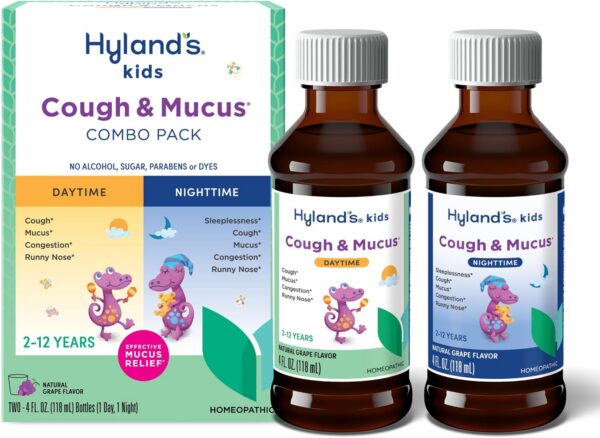
Hyland's Kids Cough Syrup & Mucus Relief 2-Pack (Day + Night) Grape 8 fl oz
2. Oranges, Kiwi, and Strawberries for Vitamin C
Vitamin C often comes up in conversations about flu season. Oranges, kiwi, strawberries, and other fruits are good sources of this vitamin, which helps the immune system function normally. Vitamin C also supports collagen production and helps the body absorb iron from plant foods. Getting enough vitamin C matters, especially for growing children whose bodies need a range of nutrients.
Still, there is a difference between supporting normal immune function and treating an active infection. Eating an orange after flu symptoms begin will not make the virus disappear. Research on vitamin C supplements has found some benefits for the common cold in certain circumstances, but that does not mean vitamin C foods cure influenza. Harvard's nutrition guidance emphasizes that the overall quality of a person's diet matters more than any single food.
Fresh fruit is useful because it provides more than one nutrient at a time. A few orange segments, sliced kiwi, or strawberries can make a simple snack when a child does not want a full meal. For a sore throat, soft fruit may be more comfortable than anything crunchy. If acidic fruit stings the throat or upsets the stomach, choose a ripe banana, applesauce, or another food the child tolerates. There is no prize for finishing an orange when it hurts to swallow.
3. Yogurt and Other Foods With Probiotics
Yogurt is a convenient source of protein and calcium, and some varieties contain live bacteria known as probiotics. These microorganisms are being studied for their possible effects on gut health and immune function. Since the gut and the immune system are closely connected, it makes sense that scientists are interested in how the microbes living in the digestive tract affect health.
However, the evidence needs to be put in perspective. Probiotics are not a proven cure for the flu, and not every yogurt contains the same strains or amounts of live cultures. Research findings about particular probiotic products cannot automatically be applied to every food with the word "probiotic" on its label. A varied diet remains a more reliable foundation than chasing a special ingredient.
For children who enjoy yogurt, plain or lightly sweetened yogurt with soft fruit can be a useful snack during recovery. It is cool, easy to spoon up, and provides some protein when a sandwich or meat dish feels too heavy. If dairy makes a child's nausea worse or the child has a milk allergy, there is no need to insist on it. Other protein-rich foods can fill the gap. And if the child has diarrhea, choose foods and fluids based on what is tolerated rather than assuming yogurt will fix the problem.
4. Eggs, Chicken, Fish, and Beans for Protein
When a child has the flu, the body is working hard to respond to infection. Protein provides the building blocks needed to maintain and repair body tissues, and it supports the normal function of immune cells. Eggs, chicken, fish, beans, lentils, tofu, and other protein-rich foods can all contribute to a balanced diet.
This is one reason a varied diet matters more than a trendy so-called superfood. An orange may provide vitamin C, but it does not provide much protein. An egg offers protein and several other nutrients, but it is not a major source of vitamin C. Different foods bring different benefits, and the body needs a combination of nutrients to function well. Harvard's nutrition guidance identifies protein, vitamin C, vitamin D, zinc, and several other nutrients as important to normal immune function.
During flu recovery, small servings may be easier to handle than a large plate. A scrambled egg, a little shredded chicken in soup, or a few spoonfuls of soft beans may be enough to start with. Some children will eat breakfast foods at dinner and reject their usual evening meal. That is fine for a short period, provided they are getting fluids and gradually returning to their normal eating pattern. There is no need to turn every meal into a negotiation.
5. Leafy Greens, Carrots, and Sweet Potatoes
Vegetables are not always the first thing a sick child asks for, but they can provide valuable nutrients. Spinach and other leafy greens contain folate and several vitamins and minerals. Carrots and sweet potatoes provide beta-carotene, which the body can convert into vitamin A. Vitamin A plays a role in maintaining healthy skin and the lining of the respiratory tract, as well as supporting immune function.
These foods are most useful as part of regular meals, not as a quick fix once a fever appears. A child who eats a wide range of vegetables over time is more likely to get a mix of nutrients than a child who relies on just one or two favorites. Even so, it is worth keeping expectations realistic. Vegetables do not prevent every infection, and a child who refuses broccoli while sick is not automatically missing out on a meaningful health benefit that day.
The way vegetables are prepared can make a surprising difference. Soft carrots in soup, mashed sweet potatoes, or finely chopped spinach stirred into scrambled eggs may be easier to eat than a large raw salad. If a child has a sore throat, soft textures can be especially helpful. If the child is barely eating, offer a small amount without pressure and try again later. A few bites are better than a mealtime battle that leaves everyone upset.
6. Oatmeal, Rice, and Other Easy-to-Eat Foods
Not every useful food needs to be rich in vitamins or described as an immune booster. Oatmeal, rice, toast, potatoes, pasta, and other familiar carbohydrate foods provide energy. When a child has a fever and feels exhausted, that energy matters. The body needs fuel for its normal functions, and a child who has eaten very little may also feel weak simply because they are not getting enough food.
Soft, plain foods can be particularly useful when nausea or a sore throat makes eating difficult. Warm oatmeal, soft rice, plain pasta, or mashed potatoes may be easier to tolerate than spicy or greasy dishes. A child who wants toast and a banana rather than a full meal can start there. Once the appetite returns, the menu can become more varied.
It is easy to focus so much on vitamins that basic energy gets overlooked. A bowl of oatmeal may not sound like a special flu-fighting food, but it can be a practical choice for a tired child. Add milk or a suitable fortified alternative if tolerated, or serve it with soft fruit. The aim is to provide food that the child can actually eat, not to create the most impressive-looking plate.
7. Garlic, Ginger, and Honey: What Is Worth Trying?
Garlic and ginger are often described as natural remedies for colds and flu. Both have compounds that researchers have studied for possible health effects, but there is not enough reliable clinical evidence to say that eating them prevents or cures influenza. They can still be useful ingredients in everyday cooking. Garlic adds flavor to chicken soup, while a little ginger may make warm broth or tea more appealing.
Honey is a little different because there is evidence that it can help ease coughing in children with upper respiratory infections. It does not treat the flu virus itself, but a small amount may help a child with an irritating cough feel more comfortable, particularly at bedtime. The American Academy of Pediatrics advises that honey must never be given to babies younger than 12 months because of the risk of infant botulism. For older children, it can be offered on its own or mixed into a warm drink that is not too hot.
A few sensible limits are worth keeping in mind. Do not force a child to drink strong ginger mixtures or swallow raw garlic because someone online says it kills viruses. Strong flavors can irritate an already sore throat or upset a sensitive stomach. And natural does not always mean safe in large amounts. Ordinary food portions are usually the sensible choice, while concentrated herbal products and supplements deserve more caution.
8. Water, Broth, and Other Fluids to Prevent Dehydration
When children have the flu, drinking enough can be just as important as eating enough. Fever can increase fluid loss, and some children also experience vomiting or diarrhea. A child who is not drinking much may develop a dry mouth, produce less urine, or become unusually tired. Dehydration can make an already unpleasant illness more concerning.
Water is a good everyday choice. Other options include broth, milk if tolerated, and oral rehydration solutions when vomiting or diarrhea makes replacing fluids and salts important. Older children may prefer a drink served with a straw or in a favorite cup. Younger children may manage better with frequent small sips rather than a full glass at once. If a child feels nauseated, offer small amounts regularly and follow medical advice about rehydration.
Sports drinks, soda, and fruit juice are not necessary for most children with uncomplicated flu. Very sugary drinks may be a poor choice when diarrhea is present. If a child is losing fluids through repeated vomiting or diarrhea, an age-appropriate oral rehydration solution may be more suitable than juice or plain water alone. Follow the product instructions and ask a health professional for guidance if you are unsure what your child needs.
The key is to watch the child, not just the cup. Is the child urinating regularly? Is the mouth moist? Are tears present when crying? The CDC lists no urine for eight hours, a dry mouth, and a lack of tears among the warning signs of dehydration in children with flu. Seek medical care promptly if these signs appear.
9. Foods Rich in Zinc, Such as Meat, Beans, and Seeds
Zinc is another nutrient that receives plenty of attention during cold and flu season. It helps immune cells function normally and plays a role in growth and wound healing. Foods that provide zinc include meat, seafood, dairy products, beans, nuts, seeds, and some whole grains. Including several of these foods in a child's regular diet helps support adequate zinc intake.
But more zinc does not automatically mean better protection from the flu. Evidence about zinc supplements and respiratory infections depends on the illness, the product, the dose, and when treatment begins. Findings related to the common cold should not be presented as proof that zinc prevents or cures influenza. The National Institutes of Health explains that adequate zinc is important for immune function, while excessive intake can cause side effects and interfere with the absorption of other minerals.
For everyday meals, there is no need to buy expensive immune-support products. A serving of beans, an egg with whole-grain toast, or a meal containing meat or seafood can contribute to zinc intake. For younger children, nuts and seeds should be served in a safe form to reduce choking risks. If a child is a very selective eater or has a diet that excludes several food groups, a pediatrician or registered dietitian can help assess whether there may be a nutritional gap.
10. What Should Kids Eat When They Have No Appetite?
This is often the hardest part for parents. A child may be thirsty but refuse food, or ask for something and then lose interest after two bites. Flu can cause fever, fatigue, body aches, and sometimes vomiting or diarrhea. It is not unusual for appetite to drop during the worst part of the illness.
Instead of insisting on three full meals, offer small portions throughout the day. A little soup, a few crackers, some yogurt, a slice of toast, or a small bowl of oatmeal may be more realistic than a complete lunch. Let the child choose between two reasonable options. For example, ask whether they would prefer warm soup or a banana, rather than repeatedly asking what they want to eat. Familiar foods can feel more appealing when everything else feels unpleasant.
Do not force food if the child is nauseated, but keep offering drinks and watch for signs of dehydration. If the child cannot keep fluids down, has persistent vomiting, or is getting weaker rather than gradually improving, contact a health professional. Very young children and children with underlying medical conditions may need earlier medical advice. The goal is to support recovery without turning food into another source of distress.
11. Foods to Limit When a Child Has the Flu
There is no special list of foods that every child must avoid during the flu. What matters most is how the child feels after eating and whether the food provides useful nourishment. Greasy meals, very spicy dishes, or rich foods may make nausea worse for some children. Acidic foods may sting a sore throat, while crunchy snacks can be uncomfortable when swallowing hurts.
Sugary snacks and drinks are not automatically harmful during an illness, and a few crackers or a favorite treat will not prevent recovery. Still, it is better not to rely on soda, candy, or sweets as the main source of food. These options do not provide the same range of nutrients as a varied diet. If a child can manage only a few foods for a day or two, though, there is no need to feel guilty about keeping meals simple.
Be especially careful with dietary supplements marketed as flu preventatives. Large doses of vitamins, zinc tablets, and herbal remedies are not substitutes for appropriate medical care. Some can cause side effects, and supplements may be unsuitable for certain children or interact with medicines. A pediatrician can help determine whether a supplement is needed, particularly if a child has a known deficiency or a very restricted diet.
12. A Simple One-Day Food Plan for a Child With the Flu
A meal plan can be useful when a child feels sick, but it should be a flexible guide rather than a schedule that must be followed. Appetite may change from morning to evening, and a child who eats almost nothing at breakfast might feel hungry later in the day.
Breakfast could be a small bowl of oatmeal with sliced banana, or scrambled eggs with toast. For a midmorning snack, offer soft fruit, yogurt, or crackers alongside a drink. Lunch might be chicken and vegetable soup with noodles, rice, or bread. In the afternoon, try applesauce, a little toast, or another familiar snack. Dinner could be soft rice with egg, mashed sweet potato, or a small serving of chicken with cooked vegetables.
This plan is not a prescription. A child who feels nauseated may prefer broth and a few crackers, while another may happily eat a regular meal. Offer fluids regularly, allow the child to rest, and return to a normal variety of foods as appetite improves. For babies and toddlers, choose foods and fluids that are appropriate for their age, and continue breastfeeding or formula feeding as advised.
The most helpful meal plan is the one that fits the child's needs that day. A small amount of food eaten comfortably is often more practical than a full plate that causes stress.
13. Can Food Prevent the Flu in Children?
Eating well supports a healthy immune system, but it cannot guarantee that a child will avoid influenza. Even children who eat plenty of fruit and vegetables can catch the flu after exposure to the virus. This does not mean healthy eating is pointless. It means nutrition works alongside other ways of protecting children rather than replacing them.
The CDC recommends annual flu vaccination as an important way to reduce the risk of influenza and its complications. In the United States, annual vaccination is recommended for everyone aged six months and older, with some exceptions. Handwashing, cleaner indoor air, staying home when sick, and avoiding close contact with others while contagious can also help reduce the spread of respiratory viruses.
It is also important to recognize when food is not enough. Antiviral medicines can help treat influenza, particularly when started early. Children younger than five, especially those younger than two, and children with certain medical conditions have a higher risk of serious flu complications. If a child in one of these groups develops flu symptoms, contact a healthcare provider promptly to discuss treatment.
Seek emergency medical care if a child has difficulty breathing, bluish lips or face, chest pain, seizures, unusual difficulty waking, or other serious warning signs. Signs of dehydration, including no urine for eight hours, also need prompt attention. A fever of 104°F or higher is another emergency warning sign in children. For babies younger than 12 weeks, any fever requires immediate medical evaluation.
Good food helps give children a solid foundation for health. When the flu arrives, though, the priority is simple: keep them comfortable, offer fluids and manageable meals, make sure they get rest, and seek medical help when needed. Sometimes a bowl of warm soup and a few bites of toast are exactly where a difficult day needs to begin.
FAQ
1. What are the best foods to eat when you have the flu?
Chicken soup, oatmeal, eggs, yogurt, soft fruit, cooked vegetables, rice, and other easy-to-eat foods are good options. They can provide fluids, energy, protein, vitamins, and minerals. No particular food cures influenza, so choose foods that the sick person can tolerate.
2. What foods help boost a child's immune system during flu season?
A varied diet containing fruits, vegetables, whole grains, protein-rich foods, and sources of healthy fats supports normal immune function. Oranges, berries, eggs, beans, yogurt, fish, and leafy greens can all contribute useful nutrients. No single food can guarantee protection from the flu.
3. Is chicken soup good for the flu?
Yes, chicken soup can be a comforting choice. The broth provides fluid, and chicken and vegetables can add protein and other nutrients. Warm soup may also soothe a sore throat. However, chicken soup does not kill the influenza virus or replace medical treatment.
4. Does vitamin C help fight the flu?
Vitamin C is essential for normal immune function, and fruits such as oranges, kiwi, and strawberries are good sources. However, eating more vitamin C has not been shown to cure influenza. A balanced diet is generally more useful than taking high doses of supplements without medical advice.
5. Are bananas good to eat when you have the flu?
Bananas can be a good choice because they are soft, easy to eat, and provide carbohydrates for energy. They may be particularly appealing when appetite is low. They do not contain every nutrient the body needs, so include other foods as the child feels better.