Helping your child with their weight doesn’t mean making them feel bad. It means making small changes that help the whole family live healthier. The best part is, you can do this right at home. No need for fancy diets or extreme workouts. Just start with simple steps.
Start with Love and Support
First, let your child know you love them no matter what. Don’t blame or shame them. Instead, focus on how to help them feel strong and happy. Talk in a calm and kind way. Let them know they are not alone.
You might say, “We’re going to eat healthier as a family,” or “Let’s go for walks together after dinner.” When kids feel supported, they are more likely to try new things.
Make Healthy Food Swaps
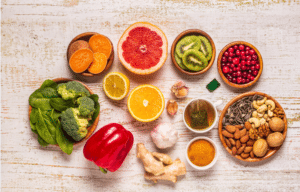
You don’t need to change everything overnight. Start by adding more fruits, vegetables, and whole grains to meals. Cut back on sugary drinks like soda and juice. Offer water or milk instead.
Here are some easy swaps:
- Choose whole grain bread instead of white bread
- Offer apple slices or baby carrots instead of chips
- Use lean meats like chicken or turkey
- Try oatmeal with fruit instead of sugary cereals
Let your child help with meal prep. Kids are more likely to eat what they help make.
Keep Snacks Simple and Nutritious
Snacks are okay, but they should help your child feel full and healthy. Avoid keeping chips, candy, and soda at home. Instead, keep simple snacks ready:
- Fresh fruit
- Cheese sticks
- Whole grain crackers
- Yogurt (low sugar)
- Air-popped popcorn
Try not to label food as "good" or "bad." Instead, talk about how some foods help us grow strong and others are just treats.
Add Fun Movement to the Day
Kids don’t need a gym to get moving. Simple activities like dancing, biking, jumping rope, or playing at the park work great. Aim for at least 1 hour of active play each day.
Here are some fun ideas:
- Go for a walk after dinner
- Have a dance party in the living room
- Play tag or hide-and-seek
- Ride bikes or scooters together
Limit screen time to 1–2 hours per day if possible. The more kids move, the better they feel.
Focus on Routine, Not Rules
Kids do best with routines. Try to have regular meal times and bedtime. This helps their body stay in balance. Avoid skipping meals or eating late at night.
A sample day might look like this:
- 8am: Breakfast
- 10am: Healthy snack
- 12pm: Lunch
- 3pm: Snack
- 6pm: Dinner
- 8pm: Get ready for bed
When routines are steady, kids feel safe and know what to expect.
Make Changes as a Family
Instead of singling out one child, make healthy changes together. Everyone can benefit. Try new recipes as a family. Go on walks together. Celebrate small wins, like drinking more water or choosing a fruit snack.
Avoid rewards like candy or food. Instead, use praise, stickers, or fun family time as rewards.
Be Patient and Keep It Positive
Weight changes take time, and every child grows differently. Focus more on habits than numbers on a scale. Praise effort, not weight loss.
Say things like:
- "I’m proud of you for trying that new veggie."
- "Great job choosing water instead of soda!"
Keep things light and loving. A positive home helps kids build healthy habits for life.
When to Ask a Doctor
If you’re not sure where to start, talk to your child’s doctor. They can check your child’s growth and give helpful advice. Ask about seeing a dietitian if needed. Doctors can also rule out health problems that may affect weight.
FAQ
What is the best way to help my overweight child?
Focus on healthy habits like eating better and moving more. Make changes as a family so your child feels supported.
Should I put my child on a diet?
No strict diets. Instead, help your child build better habits with food and activity.
Can my child lose weight by playing more?
Yes. Active play helps burn energy and keeps kids healthy. Try for 1 hour of movement a day.
How do I talk to my child about their weight?
Be kind and calm. Avoid blame. Talk about being strong and healthy, not about weight or size.
Do I need to see a doctor?
Yes, it can help. A doctor can check your child’s growth and offer safe tips.
References
- Centers for Disease Control and Prevention (CDC) - https://www.cdc.gov/obesity/childhood/
- American Academy of Pediatrics - https://www.healthychildren.org
- Harvard T.H. Chan School of Public Health - https://www.hsph.harvard.edu/nutritionsource
- Mayo Clinic - https://www.mayoclinic.org
- Nemours KidsHealth - https://kidshealth.org