When my baby was born, I wanted to make the best choices for her nutrition. I tried to understand how to feed her properly so she would grow strong and healthy. Choosing formula milk can feel confusing for new parents. There are many types, brands, and ingredients to consider. This guide will help you understand the basics of formula milk, how to choose the right one, and tips for safe feeding.
Why Formula Milk Matters
Formula milk is designed to provide babies with essential nutrients when breastfeeding is not possible or needs to be supplemented. A good formula can support growth, immunity, and brain development. Formula is made to mimic breast milk as closely as possible, but it’s important to choose the right type for your baby’s age and needs.
Babies have different nutritional needs at different ages:
- 0–6 months: Formula should be easy to digest and provide adequate protein, fats, and vitamins.
- 6–12 months: Baby may start eating solids, but formula still provides important nutrients.
Choosing the right formula helps your baby grow healthily and prevents nutrient deficiencies.
Types of Baby Formula
There are several main types of formula milk. Each has its purpose.
- Cow’s Milk-Based Formula: Most common type. It is modified to be suitable for babies, with the right balance of protein, fats, and vitamins.
- Soy-Based Formula: Suitable for babies with lactose intolerance or milk protein allergy. Often fortified with calcium and vitamin D.
- Hydrolyzed Formula: Proteins are broken down into smaller pieces, easier for sensitive babies to digest.
- Specialty Formula: Includes formulas for preterm babies, reflux issues, or medical conditions.
When choosing a formula, check the label for:
- Age suitability
- Nutrients (iron, DHA, ARA, vitamin D)
- Ingredients your baby may be sensitive to

Enfamil NeuroPro Baby Formula, Brain and Immune Support with DHA
Reading Labels and Ingredients
Not all formulas are the same. Understanding the ingredients helps you make informed choices.
Key nutrients to look for:
- Iron: Supports brain development and prevents anemia.
- DHA & ARA: Important for brain and eye development.
- Prebiotics & Probiotics: Help digestion and support gut health.
- Vitamin D: Supports bone growth.
Avoid formulas with unnecessary additives, sweeteners, or artificial flavors. Consult your pediatrician if your baby has allergies or digestive problems.
Preparing and Feeding Formula
Safe preparation and feeding are crucial to your baby’s health.
Tips for safe formula feeding:
- Wash hands before preparation
- Use clean bottles and nipples
- Follow the mixing instructions exactly
- Do not over-dilute or over-concentrate formula
- Store prepared formula in the fridge for no more than 24 hours
- Discard leftover formula after feeding
Feeding schedule depends on your baby’s age and appetite:
- 0–2 months: 6–8 feedings per day
- 2–4 months: 5–6 feedings per day
- 4–6 months: 4–5 feedings per day
- 6–12 months: 3–4 feedings per day, plus solids
Transitioning and Combining with Solids
Around 6 months, babies start eating solid foods. Formula remains important.
- Offer solids gradually
- Keep formula as main nutrition until 12 months
- Adjust formula amounts according to appetite
- Avoid replacing formula with juice or cow’s milk before 12 months
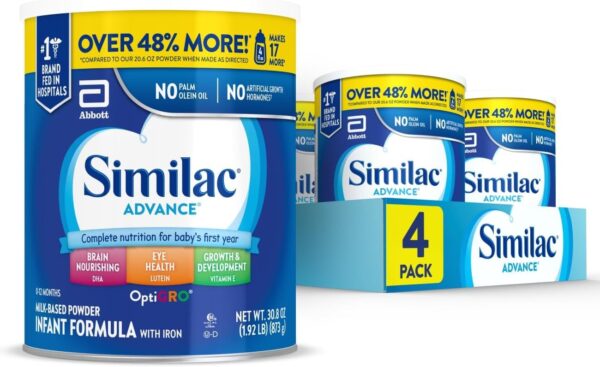
Similac Advance Infant Formula, Stage 2, Powder, 30.8 Ounces (Pack of 4)
Tips for Choosing the Right Formula
- Always consult your pediatrician before switching formulas
- Monitor your baby for signs of intolerance: rash, diarrhea, vomiting
- Start with small packs if trying a new brand
- Keep a feeding diary to track reactions
Amazon Product Recommendations
1. Enfamil Infant Formula, Powder – Popular cow’s milk-based formula for newborns
2. Similac Pro-Advance Baby Formula, Powder – Contains DHA and probiotics to support immunity and digestion
3. Hegen PCTO Bottle Set – Easy-to-use feeding bottles for formula
4. Philips Avent Anti-Colic Baby Bottles – Reduce gas and discomfort during feeding
FAQs About Baby Formula
1. Can I switch formulas frequently?
It’s best to switch only if necessary. Frequent changes may upset your baby’s digestion.
2. Is formula milk as good as breast milk?
Breast milk is ideal, but formula is a healthy alternative that provides essential nutrients.
3. How long can I store prepared formula?
Keep in the fridge up to 24 hours. Discard leftover formula after feeding.
4. Can my baby be allergic to formula?
Yes. Look for signs like rash, diarrhea, vomiting, or fussiness. Consult your pediatrician.
5. When should I start solid foods with formula?
Around 6 months, when your baby shows interest in solids. Continue formula alongside solids.