Eczema can sneak into a child’s life quietly. At first, it may look like a small rash, just a dry patch behind the knees or on the cheeks. Many parents think it’s just dry skin from the weather. But over time, it spreads, itches, and turns into something that interrupts sleep, play, and even school. That’s why spotting eczema symptoms in kids early is so important. The earlier parents notice, the sooner the right care can begin — and that can make all the difference.
Kids with eczema often scratch without even realizing. Some wake up with sheets dotted with flakes of dry skin. Others tug at their socks because their ankles itch or rub their faces against pillows at night. These are not just little quirks; they’re signals the skin is asking for help.
So, what are the warning signs? And how can parents tell the difference between regular dry skin and eczema? Let’s break it down in clear, simple ways.
What Does Eczema Look Like in Children?
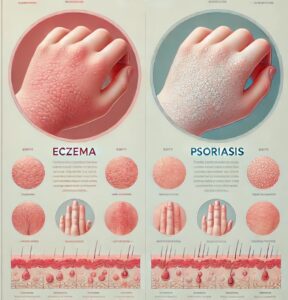
Eczema doesn’t look the same on every child. In fact, it can look very different depending on age, skin tone, and even where it shows up on the body. Some kids get it mostly on their cheeks, while others have it behind the knees or on their arms.
Common signs include:
- Red or darker patches of skin
- Rough, dry, or scaly spots
- Small bumps that may leak fluid when scratched
- Skin that feels thick or leathery from repeated itching
On lighter skin, eczema often looks red or pink. On darker skin, it may look gray, brown, or even purple. This is one reason it’s sometimes missed or mistaken for another condition in children of color.
Early Warning Signs Parents Should Watch For
The very first signs of eczema are often overlooked. Many parents think it’s just “seasonal dry skin.” But when the dryness doesn’t improve with a regular lotion, that’s often the first clue.
Watch out for:
- Persistent itching even after applying cream
- Dry patches in the same places again and again
- Nighttime scratching that wakes the child up
- Redness after baths, especially if the water was hot
- Crusty or weepy skin from scratching too much
One key difference: dry skin usually improves with any moisturizer. Eczema often doesn’t. Instead, it lingers and sometimes even gets worse after regular lotions.
Itching: The Symptom That Defines Eczema
If one word could describe eczema, it’s itching. The itch comes first, sometimes even before the rash is visible. Kids scratch during play, during meals, and especially at night. It’s the kind of itch that doesn’t just go away with a quick rub.
Many pediatricians say the “itch-scratch cycle” is the hardest part of eczema. The skin itches, the child scratches, the skin gets damaged, and then it itches even more. It can feel endless. Parents often notice their child scratching in their sleep without waking up, which is a strong sign that eczema may be the cause.
Where Eczema Shows Up on Kids’ Bodies
Eczema can appear anywhere, but there are “classic” spots where it tends to show up in children.
- Babies (under 2 years): cheeks, forehead, scalp, arms, and legs
- Toddlers and older kids: inside elbows, behind knees, wrists, ankles, and neck
- School-age kids: eyelids, hands, and around the mouth
Sometimes, eczema even shows up on the hands alone. With kids constantly washing their hands at school, hand eczema has become more common. Cracked knuckles and dry, itchy palms are often overlooked but can be eczema too.
Triggers That Make Symptoms Worse
Eczema symptoms don’t just appear randomly. They often flare up because of triggers in daily life. Spotting these triggers early can help reduce symptoms.
Common triggers include:
- Dry air, especially in winter
- Hot baths or showers
- Scratchy fabrics like wool
- Fragranced soaps, lotions, or laundry detergents
- Dust mites or pollen
- Stress or lack of sleep
Every child has their own unique set of triggers. Some kids get flare-ups after swimming in a chlorinated pool, while others break out when the seasons change. Keeping a diary of flare-ups can help parents spot patterns.
How Eczema Affects Daily Life
Eczema isn’t just about skin. It affects mood, sleep, and confidence. Kids may feel embarrassed about red patches on their face or arms. They may avoid certain clothes because fabric makes their skin itch.
Nighttime itching can mean poor sleep, which then affects focus in school. Some parents even say the whole family feels the impact, because if one child is up scratching at night, everyone’s awake.
This is why catching the signs early matters so much. Managing eczema from the start can prevent it from spiraling into a bigger issue.
When to See a Doctor
Not every dry patch needs a doctor, but there are times when professional advice is needed.
See a pediatrician or dermatologist if:
- The rash is spreading quickly
- The itching is severe and constant
- The skin is oozing, crusting, or showing signs of infection
- Over-the-counter creams aren’t helping
- The child can’t sleep because of the itch
Doctors can recommend stronger treatments like steroid creams, non-steroid ointments, or allergy medicines. But even then, daily moisturizers remain the foundation of care.
Real-Life Clues Parents Notice
Parents often describe small things that turn out to be big clues. A child who rubs their face on the couch. A toddler who refuses certain pajamas because they itch. A kid who always scratches during car rides. These are not random habits — they’re signs the skin is struggling.
Some children even create their own “scratching routines.” They may always scratch behind their knees when sitting cross-legged or scratch their neck when tired. Spotting these habits can help parents recognize eczema sooner.
How Eczema Symptoms Change With Age
Eczema doesn’t look the same at every stage. In babies, it’s often chubby cheeks and red, scaly patches. In toddlers, it tends to move to folds like elbows and knees. School-age kids often deal with drier, thicker patches that itch more than they look inflamed.
Teenagers may have hand eczema from sports or frequent washing. Understanding these age-related changes helps parents know what to expect as their child grows.
Emotional Signs That Shouldn’t Be Ignored
The physical signs are obvious, but eczema also brings emotional ones. Some kids get frustrated with the constant itch. Others feel embarrassed about their skin in public.
Signs to notice:
- Refusing short sleeves or shorts
- Avoiding social activities like swimming
- Saying their skin “looks ugly” or “feels gross”
- Showing irritability from lack of sleep
These emotional signs matter just as much as the physical ones. Supporting kids with reassurance and care is as important as applying cream.
FAQ
1. What are the first symptoms of eczema in kids?
The first signs are often dry, itchy patches that don’t improve with regular lotion, especially on cheeks, arms, or legs.
2. How do I know if my child’s rash is eczema?
If the rash is itchy, appears in common spots like elbows or knees, and keeps coming back, it may be eczema. A doctor can confirm.
3. Can eczema go away on its own in children?
Some kids outgrow eczema, but many continue to have sensitive skin. Early care can reduce flare-ups and prevent worsening.
4. What triggers eczema symptoms in children?
Common triggers include dry air, hot baths, harsh soaps, pollen, dust, and stress. Keeping skin moisturized helps reduce flares.
5. Should I take my child to a doctor for eczema?
Yes, if the itching is severe, the rash spreads, or the skin shows signs of infection like oozing or crusting.