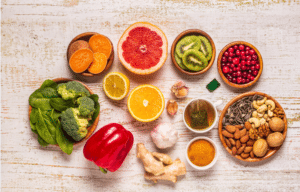
When a child can’t drink milk, the first worry many parents have is: “How will my child get enough calcium?” Milk has always been seen as the number one source of calcium, so the idea of cutting it out can feel stressful. But the truth is, there are so many other foods that can help children build strong bones and teeth — even without milk. With a little creativity, it’s absolutely possible for a child with milk allergy to grow up healthy and strong.
When my child was young, the elderly always told me to drink more milk because it can supplement calcium. But my child didn't like to drink milk for a while. So what should I do at this time? Don't worry, because many foods are also rich in calcium, which can also help children get enough nutrition.
Why Calcium Is So Important for Kids
Calcium does a lot more than most people think. It’s not just about bones and teeth — it helps muscles move, nerves send signals, and even helps the heart beat properly. Children need steady calcium intake, especially during the early years when their bones are growing fast. A lack of calcium can slow bone development and even cause long-term weakness.
That’s why parents of children with milk allergies need to make sure their kids are getting calcium from other safe sources.

Nature's Way Kids Growing Bones & Muscles Gummies
How Much Calcium Does a Child Need?
The recommended daily amount depends on age:
- 1–3 years: about 700 mg
- 4–8 years: around 1,000 mg
- 9–18 years: about 1,300 mg
Those numbers may look big, but with the right mix of foods — it’s totally doable.
Best Calcium-Rich Foods Without Milk
Let’s look at some great non-dairy calcium sources that children can safely enjoy:
1. Fortified Plant-Based Milks
Plant milks like almond milk, soy milk, oat milk, and pea milk are often fortified with calcium and vitamin D. These are the easiest swaps for regular milk.
2. Leafy Green Vegetables
Vegetables like broccoli, bok choy, kale, and collard greens are packed with calcium that the body can absorb well.
Try adding them to soups, fried rice, or smoothies. Kids often don’t notice when the greens are blended in with fruits like banana or mango.
3. Tofu and Soy Products
Tofu made with calcium sulfate can be an amazing calcium source. Some brands even show “Calcium-set” on the package — that’s what you want.
Try adding tofu cubes to miso soup, noodles, or stir-fried dishes.
(Parent tip: Silken tofu can be blended into smoothies for picky eaters.)
4. Canned Fish with Soft Bones
Salmon or sardines that come in cans with edible bones are high in calcium. Mash them up and mix with rice or vegetables.
Even a few bites can make a big difference.
5. Beans and Lentils
Chickpeas, white beans, and lentils all contain calcium. They’re also rich in iron and protein — which makes them perfect for growing kids.
- Parent trick: Mash beans into spreads or turn them into mini veggie patties. Kids usually love the texture.
6. Nuts and Seeds
Almonds, chia seeds, and sesame seeds are small but mighty calcium sources.
Sprinkle crushed almonds over oatmeal, or stir chia seeds into dairy-free yogurt.
7. Fortified Cereals and Orange Juice
Some breakfast cereals and orange juice brands are fortified with calcium and vitamin D — but check the label carefully.
8. Calcium-Fortified Snacks
Snack time doesn’t have to be boring!
- MadeGood Granola Bars (Dairy-Free, Nut-Free)
- Enjoy Life Soft Baked Cookies
These snacks are allergy-safe and easy to take to school or travel with.

Bob's Red Mill White Hulled Sesame Seeds, Resealable Stan up Bag, 10 OZ
Common Mistakes Parents Make
Many parents cut milk out but forget that vitamin D is also important for calcium absorption. Without vitamin D, even the best calcium foods won’t do much.
So make sure your child gets enough sunlight or uses vitamin D drops (check products like Nordic Naturals Vitamin D3 Gummies for Kids).
Also, some families rely too much on processed “dairy-free” foods. Always check the nutrition label — some of them are low in calcium and high in sugar.
How to Build a Balanced Milk-Free Meal Plan
Here’s what a calcium-friendly day might look like for a milk-allergic child:
Breakfast:
Oatmeal made with calcium-fortified oat milk + banana slices + chia seeds
Lunch:
Tofu and vegetable stir-fry with brown rice
Snack:
Dairy-free yogurt with crushed almonds
Dinner:
Grilled salmon, broccoli, and sweet potato
Before bed:
A glass of fortified soy milk or a calcium-rich smoothie
This kind of plan gives steady calcium intake throughout the day — without using milk at all.
When to Talk to a Doctor
If a child avoids all dairy and is a picky eater, it’s smart to ask a pediatrician about calcium or vitamin D supplements. Some kids just can’t get enough from food alone, especially during growth spurts.
FAQ Section
Q1: Can a child get enough calcium without milk?
Yes. Many foods like tofu, green veggies, fortified plant milks, and canned fish can give the same or even more calcium than milk.
Q2: What is the best plant-based milk for calcium?
Pea milk and soy milk usually have more protein and calcium than almond or coconut milk. Check for “fortified with calcium and vitamin D” on the label.
Q3: How do I know if my child’s food really has no milk?
Read ingredient labels carefully. Watch for hidden milk terms like casein, whey, or lactalbumin. Using barcode scanner apps like Spoon Guru or NutriScan helps parents check faster.
Q4: Can too much calcium be harmful?
Yes, excessive calcium supplements can cause stomach upset or constipation. It’s best to get most calcium from food and only supplement if needed.
Q5: What are the signs of calcium deficiency in children?
Slow growth, weak nails, muscle cramps, or dental problems can be signs. Always confirm with a doctor before assuming it’s from calcium.