A baby's soft, smooth skin is one of the first things parents notice. That is why even a few tiny bumps or red spots on the face can cause a lot of worry.
Many parents immediately wonder if the rash is an allergy, an infection, or something serious. Some worry about using the wrong cream. Others are afraid the rash could leave scars.
The good news is that most baby face rashes are common and treatable. Some disappear on their own, while others need simple home care. A few require medical attention. The challenge is that many rashes look very similar, even though they have different causes and treatments.
This guide introduces six of the most common facial rashes seen in babies. It explains what they look like, what usually causes them, how parents can care for them at home, and when it is time to see a doctor.
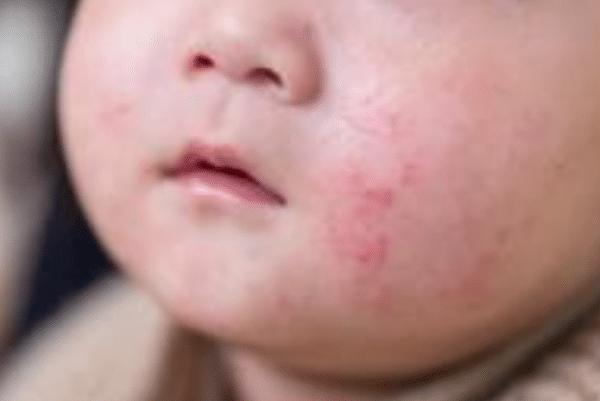
1. Baby Eczema (Atopic Dermatitis)
Baby eczema is one of the most common skin conditions during infancy. It often appears on the cheeks, forehead, or chin.
What does it look like?
The skin may become:
- Red and dry
- Rough or flaky
- Itchy
- Thickened after repeated scratching
Some babies develop small blisters or areas that ooze clear fluid during flare-ups.
What causes it?
Eczema is linked to a weakened skin barrier. The skin loses moisture more easily and becomes sensitive to irritation. Heat, dry air, rough fabrics, soaps, and saliva can all make eczema worse.
How can parents help?
Daily moisturizing is one of the most effective treatments. Apply a fragrance-free moisturizer several times a day, especially after bathing. Use gentle cleansers and avoid products with strong fragrances or alcohol.
If the rash becomes severe or does not improve, a pediatrician may recommend a medicated cream, such as a mild topical corticosteroid.
2. Hives (Urticaria)
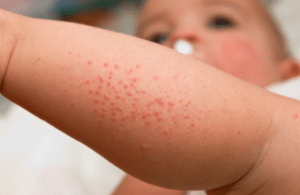
Hives often appear suddenly and can disappear just as quickly.
What do they look like?
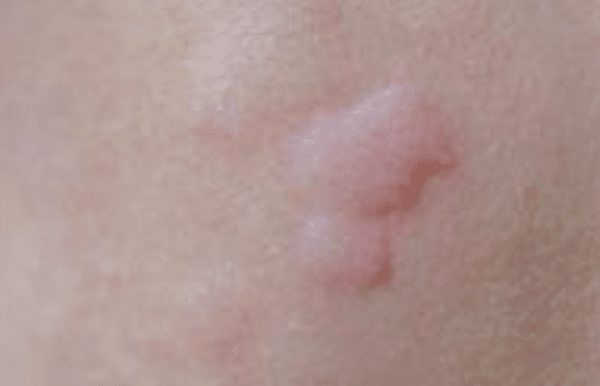
Hives are raised, swollen bumps that may be:
- Pink or red
- Different sizes
- Very itchy
- Changing shape or location
Many hives disappear within 24 hours, but new ones may continue to appear.
What causes them?
Possible triggers include:
- Viral infections
- Food allergies
- Medicines
- Insect bites
- Heat or cold
Sometimes, the exact cause is never found.
Aquaphor Baby Healing Ointment for Diaper Rash and More, 7 OZ
How can parents help?
If a trigger is known, avoid it whenever possible. A cool compress may help reduce itching. Your child's doctor may recommend an antihistamine if needed.
Seek emergency care immediately if hives are accompanied by difficulty breathing, swelling of the lips or tongue, or trouble swallowing.
3. Impetigo
Impetigo is a contagious bacterial skin infection that is common in young children.
What does it look like?
It often begins as small blisters or red sores that quickly break open. As they heal, they form thick, honey-colored crusts.
The rash commonly appears around the nose and mouth but can spread to other areas.
What causes it?
Impetigo is usually caused by bacteria such as Staphylococcus aureus or Streptococcus pyogenes. The bacteria enter through small cuts, insect bites, or irritated skin.
How can parents help?
Children with suspected impetigo should be examined by a healthcare provider. Treatment often includes antibiotic ointments or oral antibiotics.
Because impetigo spreads easily through close contact, children may need to stay home from daycare or school until treatment has started.
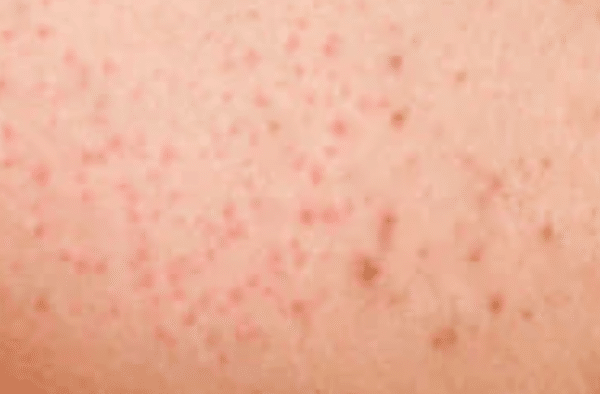
4. Folliculitis
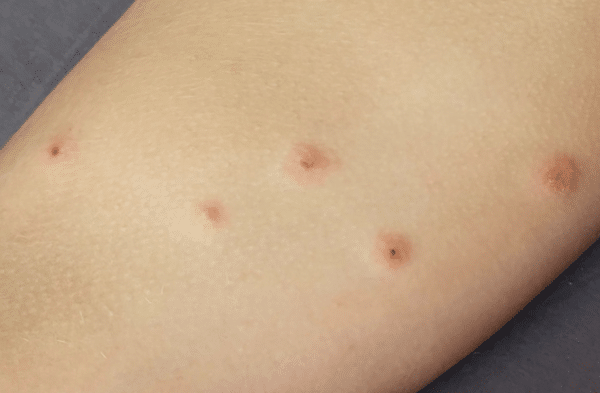
Folliculitis is an infection or inflammation of the hair follicles.
What does it look like?
Parents may notice:
- Small white or red bumps
- Tiny pimples centered around hair follicles
- Mild tenderness or itching
- Occasionally, small amounts of pus
It often appears near the hairline, behind the ears, or on the cheeks.
What causes it?
Folliculitis can develop when bacteria enter damaged hair follicles. Sweat, friction, and irritated skin may increase the risk.
How can parents help?
Keep the area clean and avoid squeezing the bumps. If the rash spreads, becomes painful, or produces pus, a doctor should evaluate it. Antibiotic creams may be needed.
5. Milia
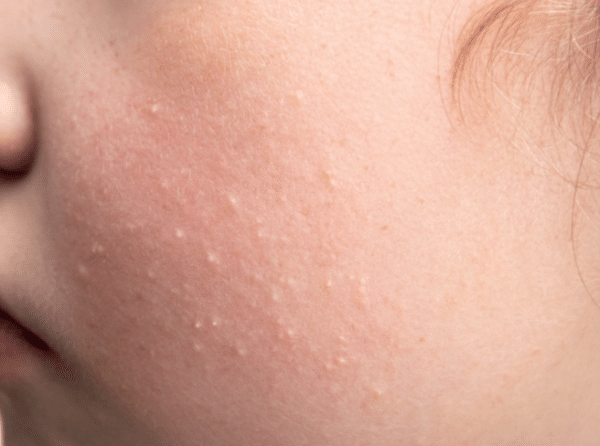
Milia are one of the most common skin findings in newborn babies.
What do they look like?
They appear as tiny white or yellowish bumps, usually on the:
- Nose
- Cheeks
- Chin
Unlike acne, milia are not inflamed and do not cause pain or itching.
What causes them?
Milia form when tiny skin flakes become trapped beneath the surface of the skin. They are completely harmless.
About half of all newborns develop milia during the first weeks of life.
How can parents help?
No treatment is needed.
Wash your baby's face gently with warm water and use a mild moisturizer if the skin becomes dry. Do not squeeze or pick at the bumps, as this can damage the skin.
Most milia disappear naturally within a few weeks.
6. Neonatal Cephalic Pustulosis
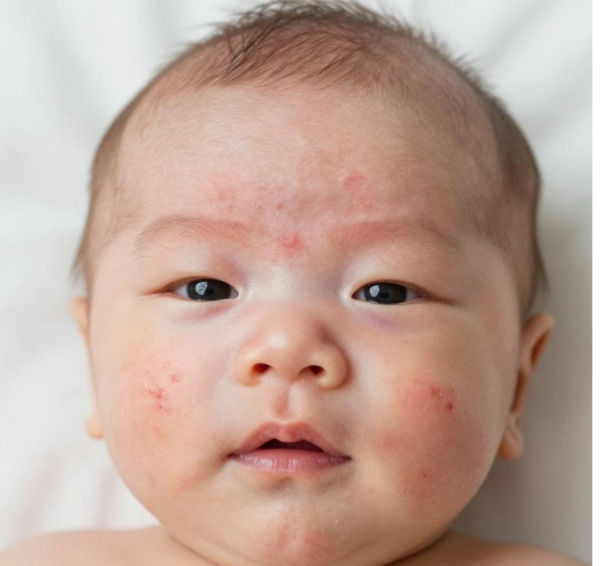
This condition is sometimes mistaken for baby acne because the bumps look similar.
What does it look like?
Babies may develop:
- Small white or red bumps
- Tiny pustules
- Mild redness around the bumps
The rash usually appears on the cheeks, forehead, chin, scalp, or neck.
What causes it?
Experts believe this condition may be related to the natural yeast that lives on the skin rather than blocked pores.
How can parents help?
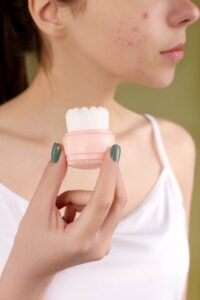
Wash your baby's face gently with warm water and avoid harsh soaps or acne products made for teenagers or adults.
If the rash becomes severe, spreads, or appears infected, your pediatrician may recommend treatment.
How Can Parents Tell the Difference?
Many baby rashes look alike, which is why it is easy to confuse one condition with another.
| Rash | Itchy | Common Age | Home Care |
|---|---|---|---|
| Baby Eczema | Usually | Any age | Moisturizer and gentle skin care |
| Hives | Very itchy | Any age | Remove triggers and use cool compresses |
| Impetigo | Sometimes | Any age | Medical treatment is needed |
| Folliculitis | Sometimes | Older infants | Keep clean and see a doctor if worse |
| Milia | No | Newborn | No treatment needed |
| Neonatal Cephalic Pustulosis | Usually not | Newborn | Gentle cleansing |
Although this table is helpful, it cannot replace a medical diagnosis. Some skin conditions look almost identical but require very different treatments.
When Should You Call a Doctor?
Parents should contact a healthcare provider if:
- The rash spreads quickly.
- Your baby develops a fever.
- The rash contains pus or large blisters.
- The skin becomes swollen or painful.
- Your baby seems unusually sleepy or difficult to wake.
- The rash does not improve after several days.
- Your baby has trouble feeding.
- You notice swelling around the eyes or lips.
- Your baby has difficulty breathing. Call emergency services immediately if this happens.
It is always better to ask for medical advice if you are unsure about the cause of a rash.
Can Parents Treat Every Baby Rash at Home?
Not always.
Many parents search online, compare pictures, and try over-the-counter creams. While this may seem helpful, it can sometimes delay the right treatment.
For example, eczema usually benefits from moisturizing and anti-inflammatory treatment. Impetigo, on the other hand, is caused by bacteria and often requires antibiotics. Using the wrong product may allow the infection to worsen.
The safest approach is to observe the rash carefully. Take note of:
- When it started
- Whether it itches
- Whether it is spreading
- If your baby has a fever
- If blisters or pus are present
Taking clear photos of the rash can also help your pediatrician monitor changes and make an accurate diagnosis.
Final Thoughts
Most facial rashes in babies are harmless and improve with time or simple skin care. However, every rash tells a different story. Two rashes may look almost the same but have completely different causes.
Instead of rushing to try different creams, focus on gentle skin care, watch for warning signs, and seek medical advice when needed.
Parents do not need to recognize every rash perfectly. Knowing when to monitor, when to provide basic care, and when to call a doctor is often the most important step in protecting a baby's delicate skin.
Frequently Asked Questions
What is the most common cause of a baby face rash?
The most common causes include eczema, milia, neonatal cephalic pustulosis, hives, folliculitis, and impetigo.
How do I know if my baby's face rash is serious?
Seek medical care if the rash spreads quickly, develops pus, comes with a fever, causes swelling, or affects your baby's feeding or breathing.
Can baby eczema go away on its own?
Many children improve as they grow older, but regular moisturizing and proper treatment can reduce flare-ups and protect the skin.
Should I squeeze the white bumps on my baby's face?
No. Milia usually disappear naturally within a few weeks. Squeezing them may damage your baby's delicate skin.
Is baby acne the same as neonatal cephalic pustulosis?
They are very similar and are often confused. Both conditions are usually harmless, but a doctor can help confirm the diagnosis if you are unsure.
Can I use adult acne cream on my baby?
No. Products made for teenagers or adults may irritate a baby's sensitive skin. Always ask your pediatrician before using medicated creams.