Many parents have experienced this moment: a child suddenly runs over with blood on their hands and says, “My nose is bleeding.” It can feel scary, especially when it happens again and again.
Frequent nosebleeds are one of those childhood problems that seem small but can become a real source of worry. A child may wake up with blood on the pillow, have a nosebleed during class, or suddenly start bleeding while playing. Parents often wonder, “Why does this keep happening?”
One common reason is allergic rhinitis, also called nasal allergies.
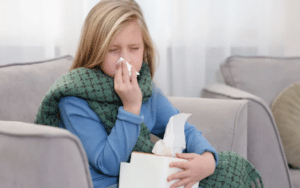
Allergic rhinitis does not directly cause nosebleeds in every child, but there is a strong connection between the two. Children with allergies often have itchy noses, stuffiness, sneezing, and the habit of rubbing or blowing their noses frequently. Over time, these actions can irritate the delicate blood vessels inside the nose and make bleeding more likely.
Understanding this connection can help parents manage both problems instead of treating nosebleeds as an isolated issue.
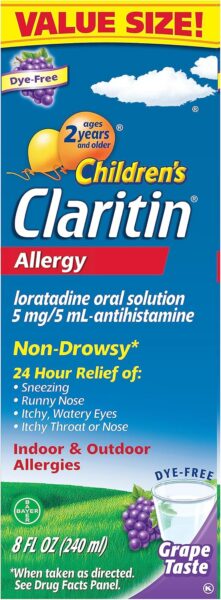
Claritin Children's Allergy Medicine, 24-Hour Non-Drowsy Loratadine 5mg
What Is Allergic Rhinitis in Children?
Allergic rhinitis is a common condition where the immune system reacts too strongly to harmless substances in the environment.
Common allergy triggers include:
- Pollen from trees, grass, and flowers
- Dust mites
- Pet dander
- Mold
- Indoor allergens
When a child with allergic rhinitis breathes in a trigger, the inside lining of the nose becomes irritated and inflamed.
The body releases chemicals such as histamine, which can cause symptoms like:
- Sneezing
- Runny nose
- Stuffy nose
- Itchy nose
- Itchy eyes
- Postnasal drip
- Coughing
Some children have seasonal allergies that appear during certain times of the year. Others have symptoms all year because of indoor allergens like dust mites or pets.
Many parents recognize the sneezing and runny nose, but they may not immediately connect allergies with nosebleeds.
That connection is actually very common.
Why Can Allergic Rhinitis Cause Nosebleeds?
The inside of the nose is full of tiny blood vessels. These vessels are close to the surface, especially in the front part of the nose, where most childhood nosebleeds happen.
When allergies affect the nose, several things can increase the chance of bleeding.
Nasal Irritation and Inflammation
Allergic rhinitis causes swelling and irritation inside the nose.
The nasal lining becomes more sensitive. Even normal activities like wiping the nose or sneezing can sometimes irritate the area.
A child with ongoing allergies may have a nose that is already uncomfortable before any bleeding starts.
Frequent Nose Rubbing
Children with allergies often rub their noses because they feel itchy.
This habit is very common. A child may rub their nose without even noticing, especially while watching TV, sleeping, or playing.
However, repeated rubbing can damage small blood vessels and cause bleeding.
Frequent Nose Blowing
When the nose feels blocked, children often blow their noses harder than necessary.
Strong nose blowing creates pressure inside the nasal passages. If the nasal tissues are already dry or irritated, small blood vessels can break.
Dry Nasal Passages
Allergy symptoms are often worse indoors, especially when heating or air conditioning makes the air dry.
Dry nasal tissue can crack more easily, similar to how dry skin on the hands may split during cold weather.
This is why some children experience more nosebleeds during winter months.
The Hidden Problem: Treating Only the Nosebleed
When a child has a nosebleed, the first reaction is usually to stop the bleeding. That is important, of course.
But if the underlying allergy problem continues, nosebleeds may keep returning.
It is similar to wiping water from the floor while ignoring the leaking pipe. The mess may disappear temporarily, but the real problem remains.
For children who frequently experience nosebleeds, parents should also consider:
- Is the child constantly rubbing their nose?
- Do they sneeze every morning?
- Is their nose often blocked?
- Do they breathe through their mouth while sleeping?
- Do symptoms become worse around pets, dust, or certain seasons?
These clues may point toward allergic rhinitis.
Common Signs That Nosebleeds May Be Allergy Related
Not every nosebleed comes from allergies. Children can have nosebleeds from many causes, including nose picking, injuries, dry air, or infections.
However, allergies may be involved when nosebleeds happen together with other symptoms.
Possible signs include:
- Frequent sneezing
- Clear runny nose
- Nasal itching
- Eye itching or watering
- Dark circles under the eyes
- Regular nose rubbing
- Long-lasting nasal congestion
Some children with allergies develop what doctors call an “allergic salute.” This means they repeatedly push their nose upward with their hand because it feels itchy.
Over time, this repeated movement can irritate the nose and contribute to bleeding.
How Parents Can Help Reduce Allergy-Related Nosebleeds
The best way to reduce allergy-related nosebleeds is to protect the inside of the nose and control allergy symptoms.
Keep the Nose Moist
Dryness makes bleeding more likely.
Helpful steps include:
- Using a humidifier when indoor air is dry
- Encouraging children to drink enough water
- Using saline nasal spray if recommended
- Applying a small amount of nasal moisturizing gel when needed
Parents should avoid putting random oils or products deep inside the nose unless advised by a healthcare professional.
Teach Gentle Nose Habits
Many children do not realize how much pressure they use when touching their noses.
Helpful habits include:
- Blowing the nose gently
- Avoiding nose picking
- Using tissues instead of rubbing the nose repeatedly
- Washing hands regularly
These small changes can make a big difference.
Manage Allergy Triggers
Reducing exposure to allergy triggers may lower symptoms.
For example:
For dust allergies:
- Wash bedding regularly
- Reduce dust buildup
- Keep stuffed animals clean
For pollen allergies:
- Keep windows closed during high pollen times
- Change clothes after outdoor activities
- Wash hair before bedtime if needed
For pet allergies:
- Keep pets away from sleeping areas
- Clean pet bedding regularly
Every child is different. What helps one child may not help another.
Allergy Treatment and Nosebleeds
Some children need medical treatment to control allergic rhinitis.
A healthcare provider may recommend options such as:
- Allergy medicines
- Nasal sprays
- Allergy testing
- Other treatments based on symptoms
It is worth noting that some nasal sprays must be used correctly. Spraying directly toward the middle wall of the nose can irritate blood vessels and increase bleeding risk.
Teaching children the correct way to use nasal sprays is important.
What Should Parents Do During a Nosebleed?
When a nosebleed happens, many people naturally tilt the child’s head backward. However, this is not the best approach because blood may flow down the throat.
Instead:
- Have the child sit upright.
- Lean slightly forward.
- Pinch the soft part of the nose gently.
- Hold pressure for about 10 minutes.
- Encourage calm breathing through the mouth.
Most simple childhood nosebleeds stop with proper pressure.
When Should Parents Ask a Doctor About Nosebleeds?
Most nosebleeds in children are harmless. Still, medical advice is important if:
- Nosebleeds happen very often
- Bleeding lasts longer than 20 minutes
- Bleeding is very heavy
- Nosebleeds happen after a serious injury
- The child looks unusually pale or weak
- There are other unusual bleeding problems
Parents should also discuss frequent nosebleeds with a healthcare provider if allergy symptoms are affecting sleep, school, or daily life.
A Parent’s Perspective: Small Problems Can Become Big Worries
A child’s repeated nosebleeds may not be a serious medical emergency, but they can create a lot of stress at home.
For many families, the hardest part is not the blood itself. It is the uncertainty.
Why does it keep happening? Will it happen at school? Is something being missed?
These worries are very common.
The good news is that many allergy-related nosebleeds can improve when parents look at the whole picture: controlling allergies, protecting nasal moisture, and helping children develop gentle nose habits.
A nosebleed is not just about the bleeding. Sometimes it is the nose’s way of saying, “I need a little more care.”
FAQ:
1. Can allergic rhinitis cause nosebleeds in children?
Yes. Allergic rhinitis can increase the risk of nosebleeds because allergies irritate the nasal lining and make children rub or blow their noses more often.
2. Why does my child get frequent nosebleeds and sneezing?
Frequent sneezing combined with nosebleeds may be related to nasal allergies. Allergies can make the inside of the nose dry, swollen, and easier to injure.
3. How can I stop allergy-related nosebleeds in my child?
Keeping the nose moist, reducing allergy triggers, teaching gentle nose blowing, and treating allergies properly can help reduce nosebleeds.
4. Should a child with nosebleeds avoid allergy medicine?
Not necessarily. Allergy treatment may actually help reduce nose irritation. Parents should discuss the best option with a healthcare provider.
5. Are frequent nosebleeds normal in children?
Occasional nosebleeds are common in children. However, frequent or heavy nosebleeds should be discussed with a doctor.
6. Does dry air make allergy nosebleeds worse?
Yes. Dry air can make nasal tissues fragile and increase the chance of bleeding, especially in children with allergies.
7. When should parents worry about a child’s nosebleeds?
Parents should seek medical advice if nosebleeds are frequent, difficult to stop, very heavy, or happen with other unusual symptoms.