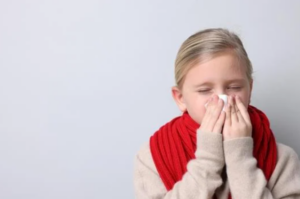
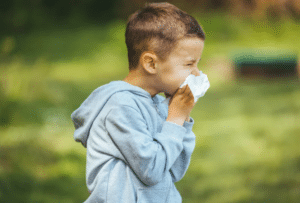
Fall can be a wonderful time for children. The weather cools down, leaves turn bright colors, and outdoor play becomes more comfortable. But for kids with seasonal allergies, autumn may also bring sneezing, itchy eyes, a stuffy nose, and nights spent tossing and turning.
When these symptoms keep coming back, parents naturally want to know when they will stop. Will the allergies disappear in a week? Will the child have to deal with them until winter? And what if the runny nose never seems to go away?
Fall allergies in children can last for several weeks or even a few months. The exact length depends on what triggers the symptoms, local weather, and how often the child comes into contact with allergens. Some children feel better when outdoor pollen levels drop, while others continue to have symptoms because of mold, dust mites, or other indoor allergens.
The good news is that parents do not have to wait helplessly for allergy season to end. Understanding the cause of the symptoms can make it easier to manage them and help children sleep, play, and enjoy the season.
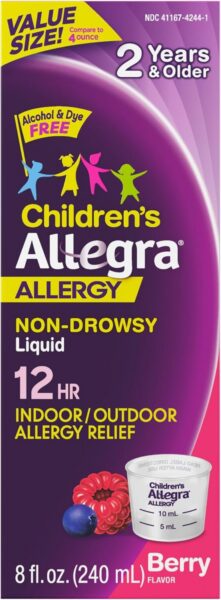
Allegra Children's 12-Hour Allergy Relief Liquid, Berry Flavor, 8 oz.
How Long Do Fall Allergies Usually Last in Children?
For many children, fall allergies last as long as the allergens causing them remain in the environment. Ragweed pollen is a common trigger in the United States. It often appears in late summer and can remain a problem well into fall. Depending on the area and weather, a child may have symptoms from August through October or November.
There is no single end date for fall allergies. A child living in one region may feel better by early October, while another child in a different region may continue sneezing for several more weeks. Local plants, temperature, rainfall, and wind all affect how much pollen is in the air.
It is also possible for symptoms to last longer than the outdoor pollen season. If a child is sensitive to indoor allergens, such as dust mites, pet dander, or mold, the symptoms may continue through winter. This is why a child who seems to have fall allergies for months may need a closer look at the triggers rather than simply waiting for the season to pass.
What Causes Fall Allergies in Children?
Fall allergies happen when a child's immune system reacts to a substance that is usually harmless. The immune system treats the substance as a threat and releases chemicals, including histamine. These chemicals can cause sneezing, itching, a runny nose, and watery eyes.
Several allergens can trigger symptoms in autumn. Knowing which ones affect a child can help explain why the symptoms start at a certain time and how long they may last.
Ragweed Pollen
Ragweed is one of the most common causes of fall pollen allergies. These plants release tiny pollen grains that travel through the air. Children do not need to touch ragweed to react to it. Simply playing outside or walking through a grassy area may expose them to pollen.
A child with ragweed allergies may sneeze repeatedly, rub their nose, or complain that their eyes itch. Symptoms may be worse on dry, windy days when pollen spreads easily. They may improve after rain or when pollen levels fall, only to return when the child goes outside again.
Ragweed pollen season often begins in late summer and continues into fall. In many areas, the season ends after cold weather reduces pollen production, but the timing varies. The first chilly morning does not necessarily mean allergy season is over.
Mold Spores
Mold is another possible reason children struggle with fall allergies. Damp leaves, wet soil, compost piles, and decaying plant material can provide good conditions for mold to grow. Mold releases tiny spores into the air, and children who are sensitive to these spores may develop allergy symptoms.
Raking leaves or playing in large piles of damp leaves may increase exposure. This does not mean children must avoid every outdoor activity, but it may help to notice whether symptoms become worse after yard work or playing around wet leaves.
Mold can also grow indoors, especially in damp basements, bathrooms, and areas affected by leaks. If a child's symptoms continue after outdoor mold levels drop, indoor moisture may be part of the problem. Fixing leaks and reducing dampness are more useful than simply wiping away visible mold while leaving the moisture source in place.
Dust Mites and Pet Allergens
As the weather cools, families often close their windows and spend more time indoors. This can increase a child's exposure to indoor allergens, including dust mites and pet dander.
Dust mites are tiny creatures that live in household dust, especially in bedding, mattresses, and upholstered furniture. Pet allergens come from substances such as skin flakes and saliva. These allergens can trigger sneezing, congestion, and itchy eyes in sensitive children.
If a child seems worse in the morning, sneezes after getting into bed, or has symptoms throughout the winter, indoor allergens may be involved. The problem may not be fall pollen alone.
Why Do Fall Allergies Last Longer in Some Children?
Children do not all react to the same allergens. One child may be sensitive only to ragweed pollen, while another reacts to pollen, mold, and dust mites. The first child may feel better when the outdoor pollen season ends. The second may continue to have symptoms because another trigger is still present.
The amount of exposure matters, too. A child who spends hours outside on high-pollen days may bring pollen indoors on their clothes, hair, and skin. If pollen then collects in the bedroom, it may continue to cause discomfort at night. Children who play sports outdoors or help with yard work may notice stronger symptoms during certain activities.
Another important factor is whether the symptoms have been correctly identified. A cold, sinus problem, or another condition can sometimes look like seasonal allergies. A child may also have allergies and a cold at the same time. When symptoms last much longer than expected, it is better to check the cause than assume every sneeze is part of the fall allergy season.
Do Fall Allergies Last Longer Than a Cold?
Fall allergies and the common cold can cause similar symptoms, so it is easy to confuse them. Both may lead to sneezing, a runny nose, and congestion. The difference often becomes clearer when you look at how long the symptoms last and what comes with them.
A common cold usually improves within about 7 to 10 days, although some symptoms, especially a cough, may last longer. Seasonal allergies can continue for weeks or months if the child keeps coming into contact with the allergen. Allergy symptoms may also improve for a day or two and then return when pollen exposure increases.
A few clues may help parents tell them apart:
- Itchy eyes or nose: These are common with allergies and less typical of a cold.
- Repeated sneezing: This may suggest allergies, especially when it happens around the same triggers.
- Fever or body aches: These are more likely to occur with an infection than with ordinary seasonal allergies.
- Symptoms that return outdoors: A child who starts sneezing after playing outside may be reacting to pollen or mold.
- Symptoms that continue for weeks: This pattern can point to allergies, though other conditions may also cause lasting congestion.
These clues are helpful, but they cannot confirm a diagnosis. If a child seems unwell, has a fever, or is not getting better, contact a healthcare professional.
When Do Fall Allergies End?
Fall allergies usually begin to ease when the main allergen becomes less common. For children who react to ragweed, symptoms often improve as local pollen levels fall later in the season. However, this can happen at different times in different places.
Weather plays a part. Rain may temporarily reduce airborne pollen, while dry and windy conditions can spread it around. A few cold days may bring relief, but a short drop in temperature does not always end the pollen season. The plants and local weather conditions matter more than the calendar alone.
If a child's symptoms continue well after the outdoor pollen season has ended, look at what else may be causing them. Dust mites, pet allergens, and indoor mold can remain present throughout the year. A lingering cold or another nasal condition may also explain ongoing symptoms. When symptoms seem to have no clear end, a pediatrician can help identify the cause.
How to Help Your Child Feel Better During Fall Allergy Season
Parents cannot control pollen levels, but a few practical changes can reduce exposure and make allergy season easier. The aim is not to keep children indoors for months. It is to help them enjoy normal activities with fewer uncomfortable symptoms.
Check Local Pollen Levels
Check a local pollen forecast before planning long outdoor activities. On days when pollen levels are high, consider shorter outdoor play sessions or activities in places with less exposure. This can be especially helpful if the child often develops symptoms after playing outside.
There is no need to cancel every outdoor activity. Instead, pay attention to patterns. If the child is usually comfortable in the morning but starts sneezing after an afternoon game, the timing may help explain the symptoms. Local pollen forecasts can help families decide when to adjust plans.
Change Clothes and Wash Up After Outdoor Play
Pollen can cling to clothing, hair, and skin. When children come indoors after playing outside, encourage them to change clothes and wash their hands and face. A shower before bed can help remove pollen from their hair, too.
This is a simple habit, but it can make a difference for children who wake up with a stuffy nose or itchy eyes. It may also reduce the amount of pollen that gets onto pillows and bedding. These steps will not remove every allergen, but they can lower exposure during the hours when children are trying to rest.
Keep the Bedroom Comfortable
A child's bedroom deserves special attention because they spend many hours there. During high-pollen periods, keep windows closed when practical and use air conditioning if available. Regularly wash bedding and clean surfaces to reduce dust buildup.
If mold is a concern, check for leaks, damp walls, or musty smells. Fixing the source of moisture is important because mold can return if the area stays wet. If a child reacts to dust mites or pets, a healthcare professional can suggest additional ways to reduce exposure.
Talk to a Pediatrician About Allergy Medicine
If symptoms interfere with sleep, school, sports, or everyday comfort, home changes may not be enough. A pediatrician can recommend treatment based on the child's age, symptoms, and health history.
Antihistamines may help with sneezing, itching, and watery eyes. Nasal corticosteroid sprays can reduce swelling inside the nose and may be useful for persistent congestion. Different medicines work in different ways, and the best option depends on the child's symptoms.
Always check with a pediatrician or pharmacist before giving allergy medicine to a child. Some products can cause drowsiness, and not every medicine is suitable for every age. Follow the label and professional advice rather than guessing at a dose or using an adult product.
Keep Track of Symptoms
If the allergies seem to last longer than expected, keep a simple record of when symptoms occur. Note whether the child feels worse outdoors, after playing in leaves, in the bedroom, or first thing in the morning. Also record any days when symptoms improve.
For example, a child who sneezes mainly after playing in damp leaves may be reacting to outdoor mold or pollen. A child whose nose is blocked every morning may be exposed to an indoor allergen while sleeping. These patterns do not prove the cause, but they give the pediatrician useful information and may help determine whether allergy testing is appropriate.
When Should Parents Worry About Lingering Allergy Symptoms?
A child does not necessarily need a doctor's appointment for every sneeze. But if symptoms continue for several weeks, keep returning, disrupt sleep, or make it difficult to focus at school, it is worth seeking medical advice. The same is true if basic steps do not seem to help.
A pediatrician can check whether the symptoms are likely to be caused by allergies or another condition. If the trigger is unclear, allergy testing may be considered. Identifying the cause can help families avoid spending the whole season trying treatments that do not address the real problem.
Children with asthma need extra attention during allergy season. Allergens can trigger asthma symptoms in some children. Contact the child's healthcare professional if coughing, wheezing, or breathing problems become more frequent. Seek urgent medical help if a child has serious trouble breathing or swelling of the lips or tongue.
Can Children Outgrow Fall Allergies?
Some children find that their allergies become less troublesome as they get older, but there is no guarantee. Others continue to react to the same allergens for years. A child may also develop new sensitivities over time.
Rather than counting on children to outgrow their allergies, focus on understanding their triggers and finding a plan that works. If the same symptoms appear every year, a pediatrician can help prepare for the next season before the symptoms become disruptive.
Fall allergies can be frustrating, especially when a child seems to have a runny nose for weeks on end. Still, a long allergy season does not automatically mean something serious is wrong. The key is to notice the pattern, reduce exposure where possible, and seek advice when symptoms are persistent or hard to manage.
FAQ
1. How many weeks do fall allergies last in children?
Fall allergies may last several weeks or a few months. The length depends on the allergen, local weather, and how often the child is exposed. Ragweed allergies often continue from late summer into fall, while indoor allergens can cause symptoms for much longer.
2. Can fall allergies last all winter in kids?
Yes. However, symptoms that continue through winter may be caused by indoor allergens such as dust mites, pet dander, or mold rather than fall pollen. A pediatrician can help identify the cause if symptoms do not improve.
3. What month do fall allergies end?
There is no single month when fall allergies end everywhere. Ragweed symptoms often ease in late fall, but local pollen seasons vary. Weather and the child's specific triggers also affect how long symptoms last.
4. Why does my child still have allergy symptoms after fall?
Indoor allergens may be keeping symptoms going. Another possibility is a cold or a different condition that resembles allergies. If symptoms continue for weeks or affect daily activities, ask a pediatrician for advice.
5. How can parents tell if a child has allergies or a cold?
Allergies often cause itchy eyes, an itchy nose, repeated sneezing, and clear nasal mucus. They may last for weeks or return after exposure to a trigger. A cold usually improves within about 7 to 10 days and may include fever or body aches. These signs can help, but they are not enough to confirm the cause.