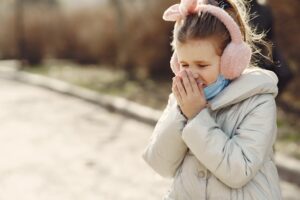
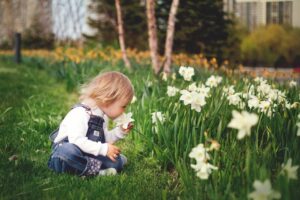
Spring is a beautiful season. Flowers bloom, trees turn green, and kids love to play outside. But for many children, spring also brings sneezing, itchy eyes, and runny noses. These are signs of allergies.
Allergies happen when a child’s immune system reacts too strongly to something harmless. These “somethings” are called triggers. Knowing what triggers allergies can help parents protect their kids and reduce symptoms.
Let’s look at the top 10 spring allergy triggers in kids and what you can do about them.
1. Tree Pollen
Tree pollen is one of the biggest causes of spring allergies. Trees release tiny pollen grains into the air. These grains are so small that kids can easily breathe them in.
Common trees like oak, birch, and maple release a lot of pollen in early spring. On windy days, pollen spreads even more. Kids may start sneezing or rubbing their eyes after playing outside.
To reduce exposure, try to keep windows closed during high pollen days. Have your child wash their hands and face after outdoor play.
2. Grass Pollen
As spring moves forward, grass starts to grow. Grass pollen becomes another strong trigger for allergies in kids.
Children who play on lawns or fields may have more symptoms. They may cough, sneeze, or complain about itchy skin.
If your child is sensitive to grass pollen, limit outdoor play during peak times, usually early morning. Wearing long sleeves can also help reduce contact.
3. Mold Spores
Mold grows in damp places. In spring, melting snow and rain create perfect conditions for mold to grow outdoors.
Mold spores float in the air, just like pollen. Kids can breathe them in without noticing. This can cause coughing, wheezing, or a stuffy nose.
Check for mold in places like basements, bathrooms, or near windows. Keeping your home dry and well-ventilated can help.
4. Dust Mites
Dust mites are tiny bugs that live in dust. They are too small to see, but they can cause strong allergic reactions.
In spring, many families do “spring cleaning.” This can stir up dust and make symptoms worse for kids.
Wash bedding in hot water once a week. Use allergy-proof covers for pillows and mattresses. Vacuum regularly to reduce dust.
5. Pet Dander
Pets are part of the family, but they can also trigger allergies. Pet dander is made up of tiny flakes of skin, saliva, and fur.
In spring, pets may shed more, especially dogs and cats. This increases the amount of dander in the home.
If your child is sensitive, keep pets out of the bedroom. Regular pet bathing and cleaning can also help.
6. Air Pollution
Air pollution can make allergy symptoms worse. Smoke, car exhaust, and other pollutants irritate the airways.
In spring, kids spend more time outside, so they may be more exposed. Pollution can also mix with pollen and make it more harmful.
Check local air quality reports before outdoor activities. On poor air quality days, it’s better to stay indoors.
7. Flowers and Plants
Flowers look pretty, but some can trigger allergies. Not all flowers cause problems, but certain types release more pollen.
Kids who like to pick flowers or play in gardens may have more symptoms. They may get itchy skin or watery eyes.
Choose low-pollen plants for your garden if possible. Teach kids to avoid touching their face after handling plants.
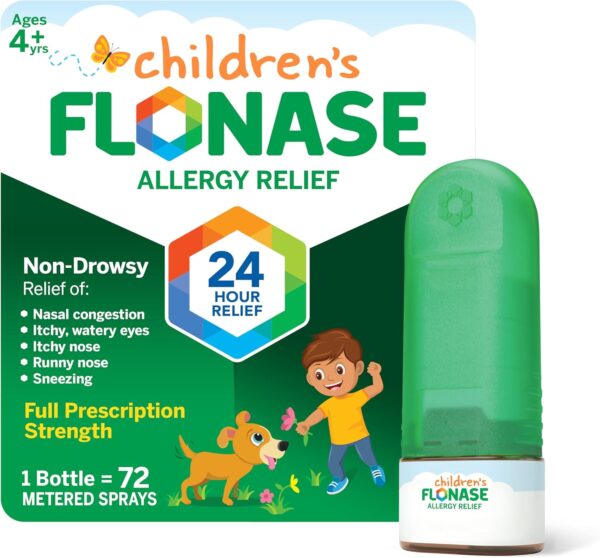
Flonase Children’s Allergy Relief Nasal Spray, 24-Hour Non-Drowsy Multi-Symptom Relief – 72 Sprays
8. Cleaning Products
Spring cleaning often means using strong cleaning products. Some of these products have chemicals that can irritate a child’s nose and lungs.
Even if they are not true allergens, they can make allergy symptoms feel worse. Kids may start coughing or feel discomfort.
Use mild, fragrance-free cleaning products when possible. Keep rooms well-ventilated during cleaning.
9. Insect Bites and Stings
Spring brings more insects like bees and mosquitoes. Some kids may react strongly to bites or stings.
These reactions can cause swelling, redness, and itching. In some cases, they can trigger more serious allergic responses.
Use insect repellent when needed. Teach kids to stay calm around insects and avoid disturbing them.
10. Weather Changes
Spring weather can change quickly. One day it’s warm, the next day it’s cold or windy.
These changes can affect how allergens spread. Wind can carry pollen farther. Humidity can increase mold growth.
Dressing kids in layers can help them stay comfortable. Keep an eye on weather reports to plan outdoor time wisely.
Simple Tips to Help Kids with Spring Allergies
Here are some easy ways to reduce allergy triggers at home:
- Keep windows closed during high pollen days
- Wash hands and face after outdoor play
- Change clothes after coming inside
- Use air purifiers if possible
- Vacuum and clean regularly
- Keep pets clean and out of sleeping areas
Small daily habits can make a big difference.
FAQ Section
1. What are the most common spring allergy symptoms in kids?
Common symptoms include sneezing, runny nose, itchy eyes, coughing, and nasal congestion. Some kids may also feel tired or have trouble sleeping.
2. How can I tell if my child has allergies or a cold?
Allergies usually do not cause fever. Symptoms like itchy eyes and long-lasting sneezing are more common with allergies than colds.
3. Is allergy season the worst for kids?
It depends on the trigger. Tree pollen is highest in early spring, while grass pollen peaks later. Symptoms may last for several weeks.
4. Can kids outgrow allergies?
Some children may outgrow allergies, but others may continue to have them. It varies from child to child.
5. Should my child see a doctor for allergies?
If symptoms are severe, long-lasting, or affect daily life, it is a good idea to talk to a doctor. They can suggest treatments or testing.