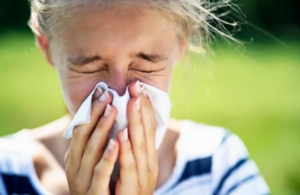
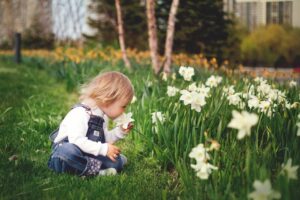
Seasonal allergies are very common in children. Many parents notice their kids start sneezing more during spring or fall. This is often called hay fever. It happens when the body reacts to things like pollen from trees, grass, or weeds. These tiny particles float in the air and are easy to breathe in. For some kids, the immune system sees them as a threat and reacts strongly.
When this happens, the body releases chemicals like histamine. This causes symptoms such as a runny nose, itchy eyes, and sneezing. Seasonal allergies are not dangerous most of the time, but they can make kids feel very uncomfortable. If symptoms are not managed well, they can also affect sleep, mood, and school performance.
Common Symptoms of Seasonal Allergies in Kids
It can sometimes be hard to tell if your child has a cold or allergies. The symptoms can look similar. But allergies usually last longer and do not come with a fever. Knowing the signs can help you take the right steps early.
Here are some common symptoms to watch for
• Frequent sneezing
• Runny or stuffy nose
• Itchy or watery eyes
• Itchy throat or ears
• Dry cough
• Dark circles under the eyes
• Feeling tired or cranky
If your child has these symptoms for weeks, especially during certain seasons, it is likely allergies. Symptoms may get worse after playing outside or on windy days when pollen levels are high.
What Triggers Seasonal Allergies
Different seasons bring different allergy triggers. Understanding what causes your child’s symptoms can help you manage them better.
In spring, tree pollen is the main trigger. In late spring and summer, grass pollen becomes a problem. In fall, weed pollen like ragweed is the biggest cause. These allergens are light and can travel far in the air.
Weather also plays a role. Warm, dry, and windy days often have higher pollen levels. Rain can help clear pollen from the air, which may give your child some relief. Knowing this can help you plan outdoor time more wisely.
Simple Ways to Reduce Allergy Exposure
The best way to manage allergies is to limit your child’s exposure to triggers. While you cannot avoid pollen completely, small changes can make a big difference.
Here are some simple tips
• Keep windows closed during high pollen days
• Use air conditioning instead of fresh air when possible
• Have your child shower and change clothes after playing outside
• Wash bedding often in hot water
• Use a HEPA air filter at home
• Avoid outdoor play early in the morning when pollen is highest
These steps can help reduce the amount of pollen your child comes into contact with each day.
Treatment Options for Kids
If home care is not enough, there are safe treatments that can help reduce symptoms. It is always a good idea to talk to your child’s doctor before starting any medicine.
Common treatments include
• Antihistamines to reduce sneezing and itching
• Nasal sprays to help with a blocked nose
• Eye drops to relieve itchy eyes
Some medicines are available over the counter, while others may need a prescription. Your doctor can help choose the best option based on your child’s age and symptoms.
For children with more severe allergies, allergy shots may be recommended. This treatment helps the body slowly get used to allergens over time.
Healthy Habits That Help
Good daily habits can also support your child’s immune system and help reduce allergy symptoms. While these habits will not cure allergies, they can make your child feel better overall.
Encourage your child to eat a balanced diet with fruits and vegetables, drink plenty of water, get enough sleep each night, and stay active while avoiding high pollen times.
Keeping your child healthy can help their body handle allergies more easily.
When to See a Doctor
Most seasonal allergies can be managed at home. But sometimes, medical help is needed. It is important to know when symptoms may be more serious.
You should see a doctor if symptoms do not improve with basic care, if your child has trouble breathing, if there is wheezing or chest tightness, if sleep is often disturbed, or if symptoms affect school or daily life.
Early treatment can prevent symptoms from getting worse and help your child feel more comfortable.
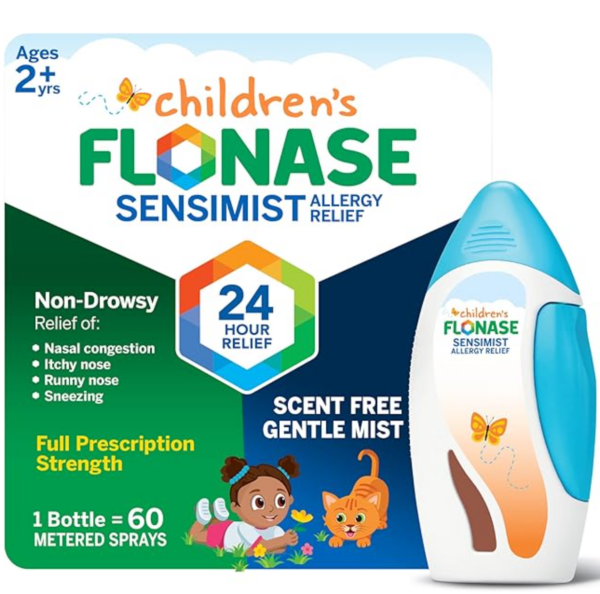
Flonase Children's Sensimist Allergy Relief Spray
Helping Your Child Feel Better
Seasonal allergies can be frustrating for kids. They may feel tired, uncomfortable, or unable to enjoy outdoor play. As a parent, your support makes a big difference.
Talk to your child about their symptoms and let them know it is okay to feel this way. Help them follow daily routines that reduce exposure. Small steps like washing hands and changing clothes after outdoor play can become easy habits.
With the right care, most kids with seasonal allergies can still enjoy school, play, and family time without too much trouble.
FAQ Seasonal Allergies in Kids
1. How do I know if my child has allergies or a cold
Colds usually last about a week and may include fever. Allergies can last for weeks and do not cause fever. Itchy eyes and frequent sneezing are more common with allergies.
2. At what age can kids develop seasonal allergies
Children can develop allergies as early as age 2 or 3. Symptoms often become more noticeable as they grow older.
3. Can seasonal allergies be cured
There is no complete cure, but symptoms can be well managed with the right care and treatment.
4. Is it safe to give allergy medicine to kids
Many allergy medicines are safe for children, but you should always check with a doctor first to choose the right one.
5. Do air purifiers help with allergies
Yes, air purifiers with HEPA filters can help reduce allergens like pollen and dust inside the home.
6. Can allergies affect my child’s sleep
Yes, a blocked nose or itching can make it hard for kids to sleep well, which may lead to tiredness during the day.