Summer is a fun time for kids. They love running outside, going camping, or playing in the park. But there’s one small problem that can ruin the fun—mosquito bites. Almost every parent has heard their child say, “Mom, Dad, I got bitten!”
Mosquito bites are annoying. They itch a lot and sometimes make kids cry or lose sleep. Some bites swell up and look scary. But most of the time, mosquito bites are harmless. The good news is, there are simple ways to help your child feel better and stop the itching.
Why Do Mosquitoes Bite?
Mosquitoes don’t bite just for fun. Female mosquitoes need blood to help their eggs grow. That’s why they bite people and animals. Kids often get bitten more because they sweat when playing outside. Mosquitoes like warm skin, sweat, and carbon dioxide from breathing. That’s how they find their target.
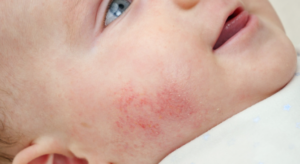
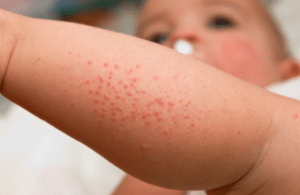
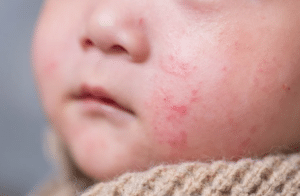
When a mosquito bites, it leaves some saliva in the skin. The body reacts to that saliva. That’s why the skin gets itchy, red, and sometimes swollen. This is a normal reaction called an allergic response. Some kids get small bumps, while others get big, puffy ones.
How to Treat Mosquito Bites in Kids
When your child gets bitten, the first step is to stay calm. Most mosquito bites are not serious. Here’s what you can do:
Wash the area with soap and water. This keeps the bite clean and helps avoid infection.
Use a cold pack or a wet cloth to stop the swelling. Hold it on the bite for 10 minutes. This will make the bump smaller and feel less itchy.
Put on anti-itch creams. You can use calamine lotion or hydrocortisone cream (1%). Some parents also use aloe vera gel because it’s natural and gentle.
If the itching is really bad, you can give your child an antihistamine, like children’s Benadryl. Always follow the instructions or ask your doctor if you’re not sure.
Teach your child not to scratch the bite. Scratching can break the skin and lead to an infection. If your child is too young to understand, keep their nails short to prevent damage.
Sometimes, home remedies help too. Some parents use baking soda paste (mix baking soda with water) and gently dab it on the bite. Others use a cool tea bag as a soothing compress. These methods are safe if done gently.
How to Tell If a Mosquito Bite Is Infected
Most mosquito bites heal in a few days. But sometimes, if kids scratch too much, the bite can get infected. Watch for these signs:
The bite gets very red and warm
There is yellow or green pus coming out
The skin around the bite gets hard or swollen
Your child has a fever or feels sick
If you notice these signs, it’s important to call your child’s doctor. The doctor may give an antibiotic cream or, in rare cases, medicine to help the infection heal.
Can Mosquito Bites Cause Other Problems?
In most places, mosquito bites are just itchy and annoying. But in some parts of the world, mosquitoes can carry diseases. These include:
West Nile virus
Dengue fever
Zika virus
Malaria (in some tropical countries)
If you’re living in or traveling to a place where these diseases are common, talk to your doctor about how to protect your child. In the US, mosquito diseases are rare but still possible in some areas, like Florida or Texas.
How to Prevent Mosquito Bites
The best way to deal with mosquito bites is to prevent them from happening in the first place. Here are some easy tips:
Dress your child in long sleeves and pants when going outside in the evening or early morning. Mosquitoes are usually more active at those times.
Use bug spray with DEET, picaridin, or oil of lemon eucalyptus. These are safe for kids when used correctly. For babies under 2 months old, do not use bug spray—use mosquito nets instead.
Avoid places with standing water, like puddles, ponds, or buckets of water. Mosquitoes lay eggs in still water.
Keep windows and doors closed or use screens to stop mosquitoes from coming inside.
Use fans when playing outdoors. Mosquitoes are weak fliers and don’t like strong wind.
Some parents use natural repellents like citronella bracelets or patches. These may help a little but are usually not as strong as regular bug spray.
Should You Worry About Allergies?
Most mosquito bites are mild. But some kids have bigger allergic reactions called "Skeeter Syndrome." This means the bite area becomes very large, red, and swollen. Sometimes it looks like an infection, but it’s really just a strong reaction to the mosquito saliva.
If this happens to your child, it’s a good idea to talk to your doctor. They may suggest an antihistamine or stronger cream to reduce the swelling. Usually, the reaction goes away in a few days.
What About Mosquito Bites Near the Eyes?
Sometimes kids get bitten on their face, especially near the eyes. This can be scary because the eye area can swell a lot. If your child’s eye is swollen but they can still see and move their eye, you can:
Use a cold compress to help with the swelling
Give them a children’s antihistamine if needed
Call your doctor if the swelling is very bad, painful, or doesn’t go down after a day
FAQ – Common Parent Questions
Q: How long do mosquito bites last on kids?
A: Most mosquito bites go away in 3 to 7 days. Bigger bites or strong reactions may take longer.
Q: Can my child get sick from a mosquito bite?
A: In most places, no. But in some areas, mosquitoes can carry diseases. Check local health reports if you’re worried.
Q: What is the best bug spray for kids?
A: Look for sprays with DEET (up to 30%), picaridin, or oil of lemon eucalyptus. Follow the label instructions. For babies under 2 months, don’t use bug spray.
Q: Are natural remedies safe?
A: Some home remedies like aloe vera or baking soda are safe for mild bites. But if your child has strong reactions, it’s better to use creams or medicine recommended by doctors.
Q: How do I stop my child from scratching?
A: Keep their nails short, use anti-itch cream, and distract them with toys or stories when they feel itchy.
References
- Centers for Disease Control and Prevention (CDC). Mosquito Bite Prevention
- American Academy of Pediatrics. Insect Bite Care
- Mayo Clinic. Mosquito Bites: Symptoms and Treatment
- KidsHealth from Nemours. Mosquito Bites
- World Health Organization (WHO). Vector-Borne Diseases