Understanding Pneumonia in Children
Pneumonia is a serious respiratory infection that affects the lungs and can range from mild to life-threatening, particularly in children under 5 years old. It is caused by bacteria, viruses, or sometimes fungi, leading to inflammation in the air sacs of the lungs. In children, pneumonia can progress quickly, making early recognition and prompt treatment essential.
Causes of Pneumonia
- Viral Infections: Influenza, respiratory syncytial virus (RSV), and adenoviruses often trigger mild cases but can lead to complications if untreated.
- Bacterial Infections: Streptococcus pneumoniae is a common bacterial culprit, often requiring antibiotics.
- Environmental Factors: Air pollution, secondhand smoke, and crowded living conditions increase risk.
- Weakened Immune System: Children with chronic illnesses or compromised immunity are more susceptible.
Early Symptoms to Watch For
Recognizing pneumonia early can prevent serious complications. Common signs include:
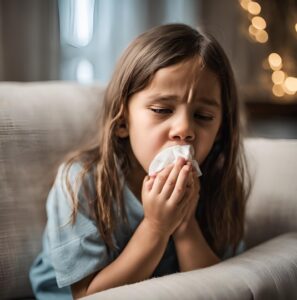
Persistent or Worsening Cough
A cough that persists for more than three days—wet or dry—may indicate pneumonia. A wet cough suggests mucus in the lungs, while a dry cough can signal airway irritation.
Difficulty Breathing or Wheezing
Rapid breathing, chest retractions, or wheezing are classic signs of respiratory distress. Labored breathing or flaring nostrils should prompt immediate medical attention.
Recurring or High Fever
A sustained fever above 102°F (39°C) accompanied by fatigue or lethargy is a warning signal. Low-grade fevers may also be present in milder cases, so other symptoms should be closely monitored.
Pale Skin or Bluish Lips
These signs indicate insufficient oxygen in the bloodstream, requiring urgent evaluation.

Pure Enrichment PureBaby Kids Bear Air True HEPA Air Purifier
How Pneumonia Affects Children
Pneumonia doesn’t just cause cough and fever—it can impact growth, energy levels, and the immune system. Children with pneumonia often experience:
- Loss of appetite and dehydration
- Fatigue and difficulty concentrating
- Increased susceptibility to other infections
- In severe cases, hospitalization may be necessary
Diagnosis and Medical Evaluation
When to See a Doctor
Parents should seek medical attention if their child shows:
- Persistent high fever
- Difficulty breathing
- Bluish lips or nails
- Unusual lethargy or irritability
Diagnostic Tests
- Physical Exam: Doctors listen to the lungs for abnormal sounds such as crackles or wheezing.
- Chest X-ray: Confirms lung infection and helps distinguish between bacterial and viral pneumonia.
- Blood Tests or Cultures: Identify the specific pathogen, guiding treatment decisions.

Cure Hydration - Kids Electrolyte Drink Mix
Effective Home Care for Children with Pneumonia
Hydration and Nutrition
- Ensure adequate fluids to prevent dehydration.
- Offer light, nutritious foods such as soups, yogurt, or soft fruits.
- Avoid forcing heavy meals, which may worsen discomfort.
Rest and Comfort
- Encourage sufficient rest and limit strenuous activity.
- Create a calm environment with low lighting and minimal noise.
Medication Guidance
- Follow doctor’s prescriptions for antibiotics or antivirals.
- Use fever reducers like acetaminophen or ibuprofen only as directed.
- Avoid overuse of medication, as fever can be part of the immune response.
Prevention Strategies for Pneumonia
Vaccination
- Pneumococcal Vaccine: Protects against common bacterial causes.
- Influenza Vaccine: Reduces risk of viral respiratory infections that can lead to pneumonia.
Boosting Immunity
- Encourage a balanced diet rich in fruits, vegetables, and whole grains.
- Ensure regular physical activity and adequate sleep.
Hygiene Practices
- Teach frequent handwashing.
- Avoid close contact with sick individuals.
- Maintain clean, well-ventilated living spaces.
Environmental Protection
- Limit exposure to smoke and air pollution.
- Use air purifiers or keep indoor air circulation optimal.
Common Misconceptions About Pneumonia in Children
- “A mild cough is not serious.” Even mild coughs accompanied by fatigue or low-grade fever can signal pneumonia.
- “Fever should always be treated immediately.” Fever is a natural immune response; only excessively high or persistent fevers require aggressive intervention.
- “Recovery happens quickly without follow-up.” Follow-up visits ensure the infection is fully resolved and prevent recurrence.
When Pneumonia Becomes Severe
Children may require hospitalization if:
- Oxygen levels drop significantly
- Symptoms do not improve with outpatient care
- There are complications such as dehydration, pleural effusion, or co-existing infections
Severe pneumonia may need oxygen therapy, intravenous antibiotics, or supportive care under medical supervision.
Key Takeaways
- Pneumonia in children can develop quickly, so early recognition is vital.
- Persistent cough, high or recurring fever, breathing difficulties, and color changes in skin or lips are key warning signs.
- Prevention through vaccination, hygiene, and immune support is essential.
- Timely medical care combined with proper home support ensures effective recovery.
References
- Centers for Disease Control and Prevention (CDC). Pneumonia in Children: Symptoms and Treatment.
- Mayo Clinic. Pneumonia in Children: Causes and Prevention.
- World Health Organization (WHO). Childhood Pneumonia: Risk Factors and Prevention.
- National Health Service (NHS). Recognizing and Treating Pneumonia in Kids.
- American Academy of Pediatrics (AAP). Pediatric Respiratory Illness Guidelines.
- PubMed Central. Studies on Pediatric Pneumonia Risk Factors.