When a child has a fever, food can suddenly become a battle.
The child may push away a favorite meal, take two bites and say they are full, or simply want to sleep. Parents often start to worry: “Should a sick child eat more?” “Will skipping a meal make the illness worse?” “What foods can help a child recover faster?”
The good news is that most children do not need a special “fever diet.” During a short illness, drinking enough fluids is usually more important than eating a full meal. A child may eat less for a few days and still be okay, as long as they are drinking and showing no signs of dehydration. The American Academy of Pediatrics also emphasizes keeping children well hydrated during a fever.
So, instead of turning every meal into a negotiation, it helps to make things simple. Offer drinks often, give small amounts of food when the child feels like eating, and pay attention to how the child is acting.
Why Do Kids Eat Less When They Have a Fever?
Fever itself is not usually the main reason a child loses their appetite. The illness causing the fever may also bring a sore throat, stuffy nose, cough, nausea, stomach pain, or tiredness. Even food that normally smells delicious may suddenly seem unappealing.
There is also a practical reason. When children feel miserable, their bodies are busy dealing with the illness. They may simply not have much interest in eating. This is especially common during viral infections.
A short period of eating less is usually not a major concern. What deserves more attention is poor fluid intake. A child who eats little but drinks well is generally in a much better position than a child who refuses both food and fluids.
Fluids Come First
When a child has a fever, think about drinks before meals.
Fever can increase fluid loss, especially when the child is sweating or breathing faster than usual. If vomiting or diarrhea is also present, the risk of dehydration becomes even greater. Keeping the child hydrated can help replace lost fluids and may also make them feel more comfortable.
For children older than 1 year, plain water is an easy everyday choice. Other suitable drinks may include milk, clear soup, or an oral rehydration solution when vomiting or diarrhea is causing fluid and electrolyte loss.
For babies under 6 months, breast milk or infant formula should remain the main source of fluids. Extra plain water is not generally recommended for young infants unless a healthcare professional advises it.
There is no need to force a large cup of water all at once. Some sick children do much better with small, frequent sips.
Try offering a few sips every few minutes, especially if the child feels nauseated.
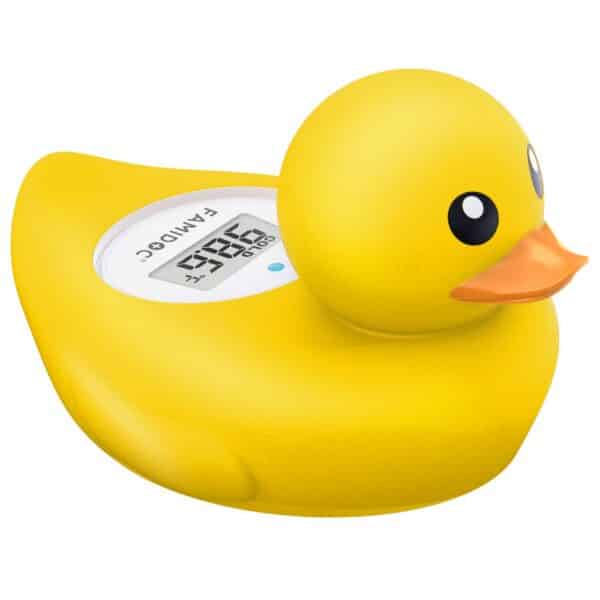
Baby Bath Thermometer Famidoc FDTH-V0-22 Water Temperature Test
What Should Kids Eat With a Fever?
There is no single food that makes a fever disappear. The best food is usually the food the child can tolerate and is willing to eat.
Soft, simple foods are often easier when a child feels weak or has a sore throat. Good choices may include:
- Oatmeal
- Rice or soft rice porridge
- Toast
- Crackers
- Bananas
- Applesauce
- Mashed potatoes
- Soft noodles
- Eggs
- Yogurt
- Soup
- Chicken or vegetable broth
- Soft cooked vegetables
- Smooth nut butter, if already safe for the child
There is no need to prepare a complicated “healing meal.” A bowl of warm soup and some toast may be perfectly reasonable. If the child wants a banana and a little yogurt instead of a full dinner, that is fine too.
The goal is not to make the child eat a certain amount. The goal is to give the body some energy and nutrients when the child is ready for them.
Soup Can Be a Good Choice
Soup is one of those simple foods that can make sense when a child is sick.
A warm bowl of chicken soup, vegetable soup, or another mild soup can provide both fluid and food. It is also usually easy to swallow, which can be helpful when the throat hurts.
It does not have to be homemade or fancy. What matters more is that the child can tolerate it. If a very sick child only wants the broth at first, that is okay. As the appetite comes back, more noodles, vegetables, chicken, beans, or other foods can be added.
Just be careful with very salty soups and heavily seasoned foods, especially if the child already feels nauseated.
What If the Child Has a Sore Throat?
A sore throat can make eating surprisingly difficult. Even a child who is normally a big eater may suddenly refuse food because swallowing hurts.
In this situation, softer foods and cool or comfortable drinks may be easier to handle. Yogurt, oatmeal, mashed foods, smoothies, soup, and soft noodles can be easier than dry or crunchy foods.
Some children prefer cool foods such as yogurt or a popsicle. Others prefer warm soup. There is no need to force one temperature if another feels better.
Very spicy, salty, sour, or acidic foods may irritate a sore throat. Citrus fruits and acidic drinks can be especially uncomfortable for some children. If a food clearly makes the throat hurt more, skip it for now.
What If the Child Has Vomiting or Diarrhea?
This is where fluids become even more important.
A child with vomiting or diarrhea can lose both water and electrolytes. Giving a large amount of fluid at once may trigger more vomiting, so small and frequent amounts can be easier to handle.
An oral rehydration solution can be useful when significant fluid loss is happening. These products are designed to replace both water and electrolytes. Plain water alone may not be enough when a child has substantial vomiting or diarrhea.
Once the stomach settles, small amounts of easy-to-digest food can be offered. There is usually no need to keep a child on an extremely limited diet for a long time. The child's appetite can guide how quickly normal foods return.
Watch closely for signs of dehydration, such as a very dry mouth, much less urine, dark urine, no tears when crying, unusual tiredness, or sunken eyes. Young children may have fewer wet diapers.
Does a Child Need to Eat More Protein?
Protein is important for children's normal growth and health, but there is no need to force a sick child to eat a high-protein meal.
If the child is willing to eat, foods such as eggs, yogurt, milk, chicken, fish, tofu, beans, or smooth nut butter can provide protein. But if the child only wants toast or a little oatmeal during the first day or two, that is not a reason to panic.
As the fever and other symptoms improve, appetite usually starts coming back. At that point, regular balanced meals can gradually return.
The bigger mistake is often trying to make a sick child finish a normal-sized meal when they simply do not feel well.
Should Kids Drink Juice When They Have a Fever?
Juice is not necessary for treating fever.
A small amount of juice may be acceptable for some children, but water and other suitable fluids are generally better everyday choices. Large amounts of juice add sugar and may not be helpful, especially when the child is not eating much.
If vomiting or diarrhea is present, an oral rehydration solution is usually more appropriate than ordinary fruit juice because it provides a better balance of fluids and electrolytes.
For babies and young children, drink choices should also be age-appropriate. Parents should not use sugary drinks as the main way to keep a sick child hydrated.
What About Milk?
Milk does not need to be automatically removed just because a child has a fever.
If a child normally drinks milk and tolerates it well, milk can continue to be part of the diet. It also provides calories and nutrients.
Some parents worry that milk will “make mucus worse.” There is not a good reason to routinely remove milk for this reason. If drinking milk makes a particular child feel nauseated or uncomfortable, there is no need to push it while the child is sick.
The same basic rule applies to food: comfort and tolerance matter.
Should Kids Avoid Cold Foods?
Not necessarily.
A common idea is that cold food or cold drinks will make a fever worse. In reality, there is no need to avoid cool foods simply because a child has a fever.
In fact, a cool drink, yogurt, or popsicle may feel soothing when the child has a sore throat. The American Academy of Pediatrics lists cold fluids and certain cold foods as options that may be comfortable for children with sore throats.
The child does not need to eat everything warm. If cool food is easier to accept, that is perfectly reasonable.
What Foods Should Be Limited?
There is no long list of foods that every child with a fever must avoid. Still, some choices are less helpful when a child is sick.
Try not to rely heavily on:
- Soda and energy drinks
- Very sugary drinks
- Very spicy foods
- Very greasy or heavy foods
- Extremely salty snacks
- Large amounts of candy
- Foods that clearly worsen nausea or stomach pain
The goal is not to make the sick child eat a “perfect” diet. One or two days of simple food will not ruin a child's nutrition.
It is much more useful to focus on fluids, comfort, and gradual return to normal eating.
What If a Child Refuses All Food?
Do not turn it into a fight.
A child with a fever may eat very little for a short period. Instead of saying, “You have to eat,” offer a small choice.
“Would you like some oatmeal or yogurt?”
“Do you want soup or toast?”
“Would you like a banana?”
Small portions can feel much less overwhelming than a full plate.
If the child says no, wait a little while and offer something again later. Keep drinks available and watch the child's overall condition.
One useful trick is to make food easy to reach. A small bowl of fruit, yogurt, toast, or another familiar food may be more appealing than sitting down to a full meal.
FAQ
What should a child eat when they have a fever?
Offer simple foods that the child can tolerate, such as oatmeal, rice, soup, toast, bananas, yogurt, eggs, noodles, mashed potatoes, and soft vegetables. There is no need to force a full meal.
Should a child eat less when they have a fever?
It is normal for appetite to decrease during an illness. Eating less for a short time is usually less concerning than drinking too little. Keep offering fluids and small amounts of food without pressure.
What should a child drink with a fever?
Water is a good choice for children over 1 year. Milk, clear soup, and other suitable fluids can also help. If vomiting or diarrhea is causing significant fluid loss, an oral rehydration solution may be helpful.
Can kids drink milk with a fever?
Yes. A child who normally drinks milk can usually continue to drink it if it feels comfortable. There is no general need to stop milk because of fever.