Thanksgiving is a time for family, good food, and happy memories. From roasted turkey and mashed potatoes to pumpkin pie and cookies, there is something special about sharing a holiday meal.
But for children with food allergies, Thanksgiving dinner can bring some hidden risks. A dish may look perfectly safe but contain milk, eggs, wheat, peanuts, or other allergens. Even a small amount of the wrong ingredient can cause a reaction in some children.
The good news is that food allergies do not have to spoil the holiday. With a little planning and some simple precautions, parents can help children enjoy Thanksgiving safely.
1. Common Food Allergens at Thanksgiving
The FDA recognizes nine major food allergens: milk, eggs, fish, crustacean shellfish, tree nuts, peanuts, wheat, soybeans, and sesame.
Many of these ingredients are found in traditional Thanksgiving dishes.
For example, mashed potatoes often contain milk and butter. Stuffing may contain wheat, eggs, and dairy. Pecan pie contains tree nuts, while dinner rolls and biscuits may contain wheat, milk, or sesame.
Parents should also remember that children can be allergic to foods beyond these nine major allergens. Always follow the child's known allergy restrictions rather than assuming that avoiding the most common allergens is enough.
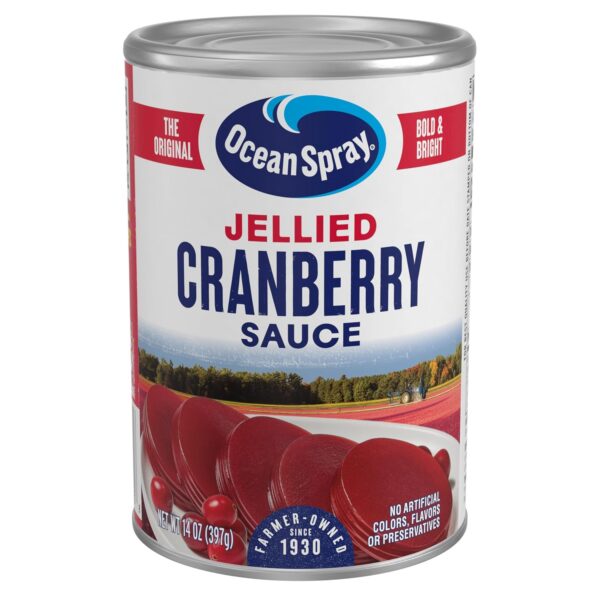
Ocean Spray Jellied Cranberry Sauce, Canned Side Dish, 14 Oz Can (Pack of 1)
2. Hidden Allergens in Popular Thanksgiving Foods
Some Thanksgiving dishes contain ingredients that are easy to overlook.
Turkey is a good example. Plain roasted turkey may be safe for some children, but packaged turkey can contain added broth, butter, seasoning, or other ingredients.
Gravy often contains wheat flour and butter. Sweet potato casserole may include milk, eggs, or pecans. Pumpkin pie usually contains milk and eggs, while stuffing commonly contains wheat bread.
Even sauces, salad dressings, packaged snacks, and desserts can contain unexpected allergens.
A simple rule for parents: never assume a dish is safe just because it looks familiar. Check the ingredient list and ask how the food was prepared.
3. Food Allergy vs. Food Intolerance
Food allergies and food intolerances are not the same thing.
A food allergy involves the immune system. When a child eats a food they are allergic to, the immune system reacts to certain food proteins. Symptoms may include hives, swelling, vomiting, or breathing problems.
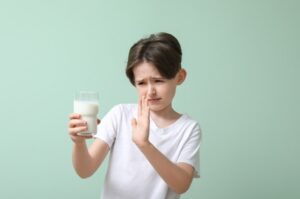
Food intolerance usually involves difficulty digesting certain foods. For example, children with lactose intolerance may experience bloating, gas, and stomach discomfort after drinking milk.
The difference is important. A child with a milk allergy must avoid milk proteins, while a child with lactose intolerance may tolerate lactose-free dairy products.
If a child regularly experiences symptoms after eating certain foods, parents should speak with a healthcare professional rather than trying to diagnose the problem at home.
4. Watch Out for Cross-Contact
Cross-contact happens when an allergen accidentally gets onto food that should otherwise be safe.
For example, someone may use the same knife to cut a regular sandwich and an allergy-friendly sandwich. A serving spoon used in a dish containing nuts may also be placed in a nut-free dish.
This can happen easily in a busy Thanksgiving kitchen.
To reduce the risk:
- Wash hands and clean kitchen surfaces before preparing food.
- Use separate cutting boards, knives, and serving spoons.
- Keep allergy-safe dishes covered and separate.
- Avoid sharing butter, sauces, dips, and spreads.
- Never remove nuts or other allergens from a finished dish and assume the remaining food is safe.
Small kitchen habits can make a big difference in protecting children.
5. Signs of an Allergic Reaction in Children
Food allergy symptoms can appear within minutes or a few hours after eating an unsafe food.
Common signs include:
- Hives, itching, or skin redness.
- Swelling of the lips, face, or tongue.
- Stomach pain, vomiting, or diarrhea.
- Coughing, wheezing, or difficulty breathing.
- Dizziness or fainting.
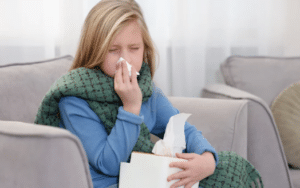
Some children may not know how to explain what they are feeling. Younger children might suddenly become upset, unusually quiet, or complain that their mouths or throats feel strange.
Parents should take these symptoms seriously.
A severe allergic reaction, known as anaphylaxis, is a medical emergency. If anaphylaxis is suspected, use the child's prescribed epinephrine auto-injector immediately and call 911. Do not wait for symptoms to get worse or rely on antihistamines instead of epinephrine.
6. How to Keep Thanksgiving Dinner Safe
A little preparation before Thanksgiving can prevent many problems.
Start by telling the host about the child's food allergies. Ask about the ingredients in each dish, including sauces, seasonings, and desserts.
If possible, prepare a few allergy-safe dishes at home. Bringing a familiar meal or favorite dessert can help children feel included without taking unnecessary risks.
For packaged foods, always read the ingredient labels. Recipes and manufacturing processes can change, so even familiar products need to be checked again.
Parents should also make sure that prescribed emergency medication is available throughout the gathering. Other family members and caregivers should know where it is and how to use it.
Most importantly, teach children not to accept food from others without checking first. A friendly reminder such as "Let's check the ingredients before you try that" can become a useful habit.
7. Help Children Enjoy the Holiday
Children with food allergies sometimes feel left out when everyone else is enjoying holiday treats.
Imagine watching cousins eat pumpkin pie while being told that the dessert is not safe. It can be disappointing, especially for younger children who may not fully understand why they cannot have the same food.
Parents can make the experience easier by preparing similar allergy-friendly dishes. A dairy-free mashed potato recipe or a specially prepared pumpkin dessert can help children feel included.
Family members should also understand that food allergies are not picky eating. Never pressure a child to try something just because it looks harmless.
Thanksgiving is about more than food. Decorating the table, playing games, watching a parade, and spending time with family are all part of the celebration.
FAQ
1. What Thanksgiving foods commonly cause allergic reactions?
Common triggers include mashed potatoes with milk, stuffing with wheat and eggs, pecan pie with tree nuts, dinner rolls, gravy, and baked desserts.
2. What are the nine major food allergens?
The nine major allergens recognized by the FDA are milk, eggs, fish, crustacean shellfish, tree nuts, peanuts, wheat, soybeans, and sesame.
3. Can children with food allergies eat turkey?
Plain roasted turkey may be suitable for some children, but packaged turkey can contain added broth, butter, seasonings, or other allergens. Always check the ingredients.
4. How can parents prevent cross-contact?
Use clean kitchen surfaces, separate utensils, and dedicated serving spoons. Keep allergy-safe dishes covered and away from foods containing allergens.
5. What should parents do if a child has an allergic reaction?
For a suspected severe allergic reaction, use the child's prescribed epinephrine immediately and call 911. Follow the child's allergy action plan and seek emergency medical care.
6. Can children outgrow food allergies?
Some children outgrow allergies to milk, eggs, wheat, or soy. Others, such as peanut and tree nut allergies, may last much longer. An allergist can help determine whether an allergy has changed.