Summer is a wonderful time for outdoor walks, family trips, and sunshine. But for babies, hot weather can sometimes bring an uncomfortable problem—diaper rash. The combination of heat, sweat, moisture, and friction can irritate your baby's delicate skin much faster during the summer months.
Many parents notice that diaper rashes seem to appear more often when temperatures rise. The good news is that there are simple steps you can take to protect your baby's skin and keep them comfortable all season long.
Why Is Diaper Rash More Common in Summer?
A baby's skin is thinner and more sensitive than an adult's skin. During hot weather, babies sweat more, especially in areas covered by a diaper.
When sweat mixes with urine and stool, the skin stays damp for longer periods. Moisture softens the skin and makes it easier for irritation to develop. At the same time, diapers can rub against the skin, creating friction that makes the problem worse.
Summer activities can also play a role. Traveling, long car rides, outdoor events, and busy schedules sometimes mean diaper changes happen less often than usual. Even a short delay can increase the risk of a rash when the weather is hot.
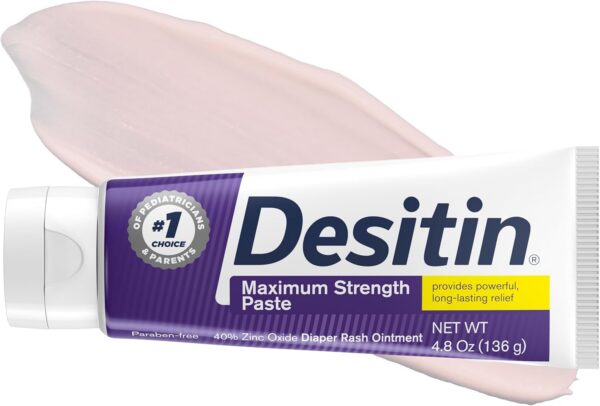
Desitin Maximum Strength Paste, 40% Zinc Oxide Paste, Diaper Rash Healing Ointment for Immediate Relief
Signs of Summer Diaper Rash
Most diaper rashes are easy to recognize. The skin may look:
- Red or pink
- Irritated
- Slightly swollen
- Warm to the touch
- Tender during diaper changes
Some babies become fussy because the rash causes discomfort. They may cry when the diaper area is cleaned or when a fresh diaper is put on.
If the rash becomes severe, you may notice blisters, open sores, or spreading redness. These signs may need medical attention.
Change Diapers More Frequently
One of the simplest ways to prevent summer diaper rash is to change diapers more often.
During hot weather, sweat increases the amount of moisture trapped inside the diaper. Even if the diaper is not heavily wet, the combination of sweat and humidity can irritate the skin.
Try to check your baby's diaper regularly throughout the day. Change wet or dirty diapers as soon as possible. Frequent diaper changes reduce skin contact with moisture and help keep the area clean.
This small habit can make a big difference during summer.
Keep the Skin Clean
Cleaning the diaper area properly is important, especially during hot weather.
Use warm water and a soft cloth whenever possible. If you use wipes, choose products that are fragrance-free and alcohol-free. Harsh ingredients may irritate already sensitive skin.
Clean gently and avoid scrubbing. The goal is to remove urine and stool without causing additional irritation.
A gentle cleaning routine helps maintain the skin's natural protective barrier.
Let the Skin Dry Completely
Many parents are surprised to learn that moisture left behind after cleaning can contribute to diaper rash.
After washing the diaper area, gently pat the skin dry. Avoid rubbing because rubbing can irritate sensitive skin.
If possible, allow a few minutes of diaper-free time before putting on a fresh diaper. Fresh air helps remove excess moisture and allows the skin to breathe.
Even five to ten minutes of air exposure a few times each day can be helpful.
Use a Protective Barrier Cream
Barrier creams are especially useful during the summer months.
Products containing zinc oxide or petroleum jelly form a protective layer between your baby's skin and moisture. This barrier helps reduce irritation from urine, stool, and sweat.
Many parents apply a thin layer during each diaper change or before bedtime. Nighttime protection is especially important because diapers often stay on longer while babies sleep.
Barrier creams work best when applied to clean, dry skin.
Dress Your Baby in Lightweight Clothing
Summer clothing can affect your baby's skin health.
Heavy fabrics and tight clothing trap heat and sweat around the diaper area. This can make skin irritation more likely.
Choose lightweight, breathable fabrics such as cotton. Loose-fitting clothes allow better airflow and help keep your baby cooler.
When the weather is extremely hot, simple clothing can help reduce sweating and improve comfort.
Choose the Right Diaper
Not all diapers perform the same way in hot weather.
Some diapers absorb moisture more effectively and keep the skin drier. A diaper that fits properly also reduces rubbing and friction.
Avoid diapers that are too tight around the waist or legs. Tight diapers can trap heat and create pressure points that irritate the skin.
If your baby experiences frequent summer rashes, you may want to try a different diaper brand to see if it improves comfort.
Keep Your Baby Cool
Preventing overheating is another important step.
During hot summer days:
- Stay in shaded areas when outdoors.
- Use air conditioning or fans when possible.
- Avoid direct sunlight during peak afternoon hours.
- Offer regular feedings to keep your baby hydrated.
A cooler baby sweats less, which means less moisture in the diaper area.
Simple cooling strategies can help reduce diaper rash risk while keeping your baby comfortable.
Watch for Diarrhea and Illness
Summer can sometimes bring stomach bugs that cause diarrhea.
Frequent loose stools can irritate the skin much more quickly than normal bowel movements. A rash may appear within hours if diarrhea continues.
If your baby has diarrhea, increase diaper changes and use a protective barrier cream. Extra attention during illness can help prevent severe skin irritation.
Keeping the skin clean and dry becomes even more important during these times.
Give Your Baby Some Diaper-Free Time
Diaper-free time is one of the most natural ways to protect your baby's skin.
Place your baby on a waterproof mat, towel, or easy-to-clean surface. Allowing the diaper area to be exposed to air reduces moisture and friction.
Many parents notice that mild redness improves quickly when babies spend time without a diaper.
This simple practice can be especially helpful during warm summer afternoons.
When Should You Call a Doctor?
Most diaper rashes improve within a few days with proper care.
However, contact your child's healthcare provider if:
- The rash becomes severe.
- Blisters appear.
- Open sores develop.
- The rash spreads beyond the diaper area.
- Your baby has a fever.
- The rash does not improve after several days.
Sometimes a diaper rash may be caused by a yeast infection or bacterial infection that requires medical treatment.
Final Thoughts
Summer heat can make diaper rash more common, but it does not have to ruin your baby's comfort. Frequent diaper changes, gentle cleaning, barrier creams, breathable clothing, and diaper-free time can go a long way toward protecting sensitive skin.
Every baby is different, so pay attention to what works best for your child. A few simple habits can help keep your baby cool, comfortable, and happy throughout the summer months.
FAQ
Why does my baby get diaper rash more often in summer?
Hot weather increases sweating and moisture inside the diaper. This creates a damp environment that can irritate sensitive skin and increase the risk of diaper rash.
Can sweat cause diaper rash?
Yes. Sweat itself can contribute to diaper rash because it keeps the skin moist. Combined with friction and diaper contents, sweat can lead to irritation.
How often should I change diapers during summer?
Check diapers frequently and change them as soon as they become wet or dirty. Many babies benefit from more frequent diaper changes during hot weather.
Is diaper-free time helpful for summer diaper rash?
Yes. Diaper-free time allows air to reach the skin, helping it stay dry and reducing irritation.
What cream works best for preventing diaper rash?
Barrier creams containing zinc oxide or petroleum jelly are commonly recommended because they help protect the skin from moisture.
Can heat rash and diaper rash happen together?
Yes. Babies can develop both heat rash and diaper rash during hot weather, especially if sweat becomes trapped against the skin.
When should I take my baby to a doctor for diaper rash?
Seek medical advice if the rash is severe, spreading, bleeding, blistering, or not improving after several days of home care.