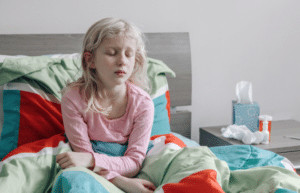
When a child gets sick, even simple things can suddenly become confusing. Can the child take a bath? Should the bath be skipped? What if the child has a fever? What if the child is sweating a lot?
Many parents have heard that children should not bathe when they are sick because they might “catch a chill” or become even more ill. It is an understandable worry. But in most cases, a child does not need to stop bathing just because they have a cold, fever, or another mild illness.
The bigger question is not simply, “Is the child sick?” It is, “How does the child feel right now?”
A child who has a mild cold, is drinking normally, and still has enough energy may be perfectly fine taking a short, warm bath. On the other hand, a child who is very weak, dizzy, having trouble breathing, or showing signs of dehydration may need rest and medical attention instead of a bath.
So, there is no single rule for every sick child. The child's symptoms and overall condition matter much more than the illness name alone.
Can a Child Take a Bath With a Fever?
In most cases, yes. A child with a fever can usually take a bath if they are alert, comfortable, and otherwise doing reasonably well.
A fever is the body's response to an infection. Bathing does not make the infection worse. A comfortable, lukewarm bath may even help a child feel cleaner and more comfortable, especially if they have been sweating.
The important part is the water temperature. Very cold water is not a good way to treat a fever. Cold water can make a child shiver, and shivering may actually make the child feel worse. Very hot water is also a poor choice because it can cause overheating or make the child feel weak or dizzy.
A lukewarm bath is usually a better option. The water should feel comfortable, not hot and not cold.
And there is no need to force a bath simply because a child has a fever. If the child feels miserable and only wants to sleep, rest may be more helpful. A quick wash of the face, hands, and body may be enough until the child feels better.
What About a Cold or Runny Nose?
A mild cold is usually not a reason to stop bathing.
In fact, many children seem to enjoy a warm bath when they have a stuffy nose or feel uncomfortable. Warm, moist air around the bathroom may temporarily make nasal mucus feel less thick, although a bath is not a treatment for the cold itself.
Keep the bath simple. There is no need to add strong essential oils, scented products, or special bath medicines. Some products can irritate a child's skin or airways.
After the bath, dry the child well and put on comfortable clothes. The room should be warm enough that the child is not shivering.
The same basic idea applies to a cough. A child with a mild cough can generally bathe if they feel well enough. But if the child is struggling to breathe, breathing unusually fast, or becoming very tired, skip the bath and focus on getting medical help.
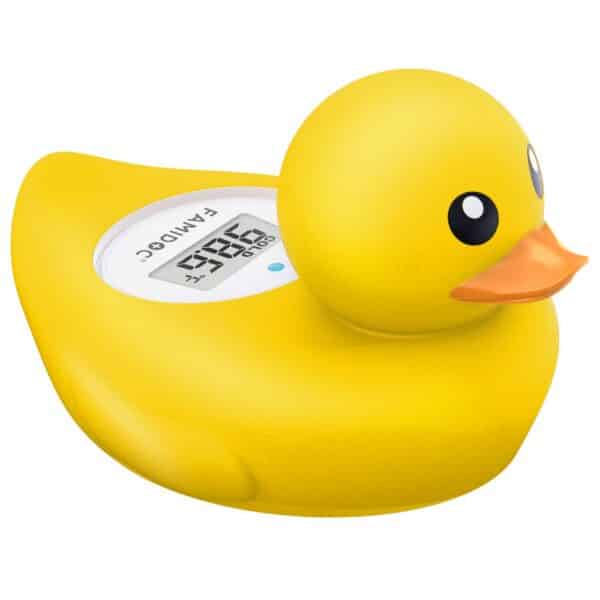
Baby Bath Thermometer Famidoc FDTH-V0-22 Water Temperature Test
What If the Child Is Sweating?
This is another common situation.
A fever can cause sweating, especially when the child's temperature begins to come down. A child may feel sticky and uncomfortable after sweating through pajamas or bedding.
A short bath can be perfectly reasonable. It can help wash away sweat and make the child feel more comfortable.
There is no need to scrub the child hard or use very hot water. A gentle wash is enough. The goal is comfort and cleanliness, not trying to “wash away” the illness.
Afterward, change into dry clothes and offer fluids if the child is awake and able to drink.
When Should a Sick Child Skip the Bath?
Sometimes the best bath is no bath.
If a child is very weak, sleepy, dizzy, confused, or having trouble standing, getting into a bathtub may simply be unsafe. A sick child can slip easily, and a parent may have difficulty supporting them if they suddenly become weak.
It is better to wait and let the child rest when they are clearly not feeling well enough.
Extra caution is needed if the child has:
- Trouble breathing
- Severe weakness
- Dizziness or fainting
- Signs of dehydration
- Repeated vomiting
- Severe diarrhea
- A seizure
- Confusion or unusual difficulty waking
- A serious injury
- A condition that makes bathing unsafe
In these situations, the question should not be whether the child can take a bath. The priority is figuring out why the child is so unwell and whether medical care is needed.
What Is the Best Bath Temperature for a Sick Child?
Think warm and comfortable, rather than hot or cold.
A bath that feels pleasantly warm to an adult may be too hot for a young child. Children's skin is more sensitive, and overheating can happen more easily.
A bath does not need to be long. Around 5 to 10 minutes may be enough for a quick wash.
There is also no need to keep adding hot water to make the bath warmer. If the child starts sweating, looks flushed, becomes uncomfortable, or says the water is too hot, end the bath.
For babies and young children, an adult should always stay close during bathing. Never leave a child alone in a bathtub, even for a short time.
Does Bathing Make a Fever Worse?
No. A normal, comfortable bath does not cause an infection to become worse.
The old idea that bathing automatically makes a sick child “catch cold” is not quite right. Colds are caused by viruses, not by being exposed to water or taking a bath.
What can happen is that a child may become chilled after getting out of the bath. That can make them uncomfortable, but it does not mean the bath caused the illness.
The solution is simple: keep the room comfortable, dry the child well, and put on dry clothes after bathing.
There is also no need to completely wrap a child in heavy blankets because they have a fever. Too many layers can make them uncomfortable and may interfere with the body's ability to release heat.
Should You Give a Fever Medicine Before a Bath?
Usually, there is no need to give fever medicine simply because the child is going to take a bath.
Fever medicine is generally used when a child is uncomfortable, not simply to make the thermometer show a normal number. If the child is comfortable and drinking fluids, a fever itself may not require medicine.
If medicine is needed, parents should use the correct medicine and dose for the child's age and weight. Do not give aspirin to children unless specifically directed by a healthcare professional.
Also, never put fever medicine, alcohol, or other substances into bath water. These do not safely treat fever and may harm the child.
What About a Child With Diarrhea or Vomiting?
Bathing may still be possible, but the child's condition matters more.
A child with diarrhea may need extra cleaning because stool can irritate the skin. A gentle bath or shower can help keep the skin clean. Afterward, pat the skin dry instead of rubbing it hard.
If the child has been vomiting repeatedly, however, they may be weak or dehydrated. Getting into a bathtub may not be a good idea if they are dizzy or unsteady.
In this situation, hydration and monitoring are more important than getting a full bath.
Parents should watch for signs of dehydration, such as a very dry mouth, fewer wet diapers or trips to the bathroom, no tears when crying, unusual sleepiness, or weakness.
What If the Child Has a Skin Rash?
This one depends on the type of rash.
Some rashes can become more irritated by hot water, strong soap, bubble baths, or scented products. Children with eczema, for example, often do better with short baths using lukewarm water and gentle, fragrance-free skin products.
If the rash is caused by an infection, the child may still be able to bathe, but there can be special hygiene concerns. Some skin infections can spread to other people through shared towels, clothing, or close contact.
A rash that is rapidly spreading, painful, blistering, associated with swelling, or accompanied by a child who looks very sick should be checked by a healthcare professional.
And if a child develops a rash along with trouble breathing, swelling of the lips or face, or other signs of a severe allergic reaction, seek emergency medical care.
How to Bathe a Sick Child Safely
When a child is sick, the bath does not need to become a complicated project.
A few simple habits can make it safer and more comfortable:
Keep the water lukewarm. Avoid very hot or very cold water.
Keep the bath short. A quick wash is usually enough.
Stay with young children. Never leave a baby or young child alone in the bathtub.
Avoid strong products. Fragrance-free soap and moisturizer are often better for sensitive skin.
Keep the bathroom comfortable. Avoid a cold room or strong drafts.
Dry the child well. Pay attention to skin folds, hair, and areas that stay damp.
Offer fluids afterward. Especially if the child has a fever, sweating, vomiting, or diarrhea.
Stop if the child feels worse. If the child becomes dizzy, weak, very cold, or uncomfortable, end the bath.
The goal is not to make a sick child perfectly clean. The goal is to help the child feel comfortable without adding another problem.
A Shower May Be Easier Than a Bath
For older children, a quick shower can sometimes be a better choice than a bath.
A shower takes less time, and the child does not need to sit in a tub. It can also be easier for parents when a child is sweaty after a fever.
But the same safety rules apply. The water should be comfortable, the bathroom should not be too cold, and a weak or dizzy child should not shower alone.
For babies and toddlers, bathing should always be closely supervised.
What Parents Should Not Do
A sick child does not need extreme treatments.
Avoid very cold baths or ice baths to bring down a fever. They can cause shivering and make the child miserable.
Avoid very hot baths or showers. They can increase discomfort and may contribute to overheating.
Do not rub alcohol on a child's skin to reduce fever. Alcohol can be absorbed through the skin and inhaled, making it dangerous.
Do not force a bath when a child is exhausted or very unwell. There is nothing wrong with skipping one.
Sometimes parents worry that missing a bath means they are not taking good care of their child. That's simply not true. When a child is sick, sleep, fluids, comfort, and appropriate medical care come first.
When Should Parents Call a Doctor?
Bathing is usually a small part of caring for a sick child. The child's overall condition matters much more.
Seek medical advice if a child has a high or persistent fever, symptoms that are getting worse, repeated vomiting, signs of dehydration, severe pain, or breathing problems.
Young babies with a fever need special attention. For example, a baby younger than 3 months with a rectal temperature of 100.4°F (38°C) or higher should receive prompt medical evaluation.
Emergency help is needed if a child has severe trouble breathing, becomes difficult to wake, has a seizure, has blue or gray lips or skin, or appears seriously ill.
When in doubt, it is better to focus on the child's symptoms rather than the bath itself.
The Bottom Line
So, can a sick child take a bath?
Usually, yes.
A child with a mild cold, mild fever, or another minor illness can often take a short, comfortable bath if they feel well enough. Use lukewarm water, avoid extreme temperatures, keep the bath short, and supervise young children closely.
But a bath is not necessary just because it is bath time. If a child is exhausted, dizzy, vomiting repeatedly, or having trouble breathing, let the child rest and focus on the illness.
The simplest rule is this: if the child feels well enough for a bath, a gentle bath is usually fine. If the child is too sick to safely bathe, skip it.
A missed bath is never a health emergency. A very sick child, however, may need medical attention.
FAQ
Can kids take a bath when they have a fever?
Yes. Most children with a fever can take a short, lukewarm bath if they are alert and feel well enough. Avoid cold or ice baths because they can cause shivering and discomfort.
Can a bath make a child's fever worse?
A normal lukewarm bath does not make an infection worse. Very hot water can make a child overheated, while very cold water can cause shivering. Comfortable water is the better choice.
Should a child with a cold take a bath?
Yes. A mild cold is generally not a reason to avoid bathing. A warm bath may help a child feel more comfortable, especially when they are sweaty or congested.
Can a child take a bath when they have a cough?
Usually, yes, if the child is otherwise comfortable. However, a child who has trouble breathing, is breathing unusually fast, or looks very weak should be medically assessed rather than put in the bath.
Can a baby take a bath when sick?
A baby with a mild illness can often be bathed, but extra care is needed. Keep the bath short and warm, and never leave a baby alone in water. Young babies with fever need prompt medical advice.
Is a cold bath good for a child's fever?
No. Cold or ice baths are not recommended for treating fever. They can cause shivering and make the child uncomfortable.
Should children bathe every day when they are sick?
Not necessarily. A sick child does not need a full bath every day. If the child is tired or uncomfortable, a quick wash or cleaning of the face, hands, and diaper area may be enough.
When should a sick child not take a bath?
Avoid bathing when a child is very weak, dizzy, confused, having trouble breathing, or too unwell to safely sit or stand. Medical care may be more important.