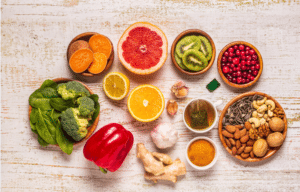
Food can sometimes be a trigger for baby colic. Some babies are sensitive to certain foods in formula or breast milk. Other babies may get colic when starting solids. The good news is, parents can take steps to reduce discomfort and help babies feel better.
Understanding what foods may trigger colic is the first step. Common culprits include cow’s milk protein, lactose, caffeine, spicy foods, gas-forming vegetables, and processed additives. Not every baby reacts the same way, so observation and patience are important.
1. Adjust Maternal Diet If Breastfeeding
If your baby is breastfed, what you eat may affect them. Some foods in breast milk can cause gas or discomfort.
- Reduce or avoid cow’s milk, cheese, and other dairy if your baby seems sensitive
- Limit caffeine and chocolate intake
- Monitor spicy foods and strong flavors like garlic or onions
- Keep a simple food diary to see patterns
Gradual changes are better than drastic cuts. Every baby reacts differently.
2. Choose the Right Formula
Formula-fed babies can react to certain ingredients. Cow’s milk protein is a common cause of colic.
- Consider hypoallergenic or low-lactose formulas if recommended by a pediatrician
- Avoid flavored or heavily processed formulas that may irritate the baby’s tummy
- Introduce new formula gradually to allow the baby’s digestive system to adjust
Always consult your pediatrician before switching formulas.
3. Monitor Solid Foods Introduction
Once babies start solids, some foods can trigger colic. Foods high in fiber, gas-producing foods, or strong flavors may cause discomfort.
- Beans, lentils, broccoli, cauliflower, and cabbage can increase gas
- Citrus fruits or juices may cause stomach upset in sensitive babies
- Introduce one new food at a time and watch for reactions
- Cook vegetables thoroughly to make them easier to digest
Observation helps identify which foods cause discomfort.
4. Use Gentle Soothing Techniques
Along with diet changes, soothing techniques can reduce colic symptoms.
- Gently massage the baby’s tummy in a clockwise direction
- Use a warm compress or warm bath to relax abdominal muscles
- Hold the baby upright after feeding to help reduce gas
- Swaddle or rock the baby gently to provide comfort
Combining diet awareness with soothing methods often works best.

Kids Relief Gas & Colic, Natural Oral Liquid Formula with Dropper, Raspberry Flavor, Gluten and Dye Free, No Sugar, 25mL
5. Track Patterns and Stay Patient
Colic does not always disappear overnight. Keeping track of foods, feeding times, and crying patterns helps parents identify triggers.
- Keep a daily log of what the baby eats and when they cry
- Note which foods or feeding habits seem to make colic worse
- Be patient; most food-related colic improves over time
Consistent observation and small adjustments are usually more effective than sudden changes.
FAQ Section
Q: Can my diet cause colic if I am breastfeeding?
A: Yes. Dairy, caffeine, and spicy foods can sometimes pass into breast milk and affect sensitive babies.
Q: How do I know which foods trigger colic?
A: Track your baby’s feeding and reactions in a simple diary. Introduce one new food at a time.
Q: Are hypoallergenic formulas effective for colic?
A: Some babies benefit from hypoallergenic or low-lactose formulas. Always consult your pediatrician before switching.
Q: Can solid foods worsen colic?
A: Yes. Gas-producing foods or strong flavors can cause discomfort. Introduce solids gradually and monitor reactions.
Q: What other methods can soothe food-related colic?
A: Gentle tummy massage, warm compress, upright feeding, rocking, and swaddling can help relieve symptoms.