Why Mother’s Day is a perfect moment to teach appreciation
Mother’s Day is more than flowers and cards. For kids, it is a chance to notice something deeper. It is a reminder that mom does a lot every single day, often without asking for anything in return.
Children do not always naturally think about effort. They see meals appear, clothes ready, and help always available. It can feel normal. But Mother’s Day gently opens a small door to awareness.
This is why it is a powerful teaching moment. Not because of gifts, but because it helps children pause and notice care.
And once children start noticing, appreciation begins to grow.
What kids really learn on Mother’s Day
For children, Mother’s Day is not just about celebration. It is about learning emotions in action.
They start to understand ideas like:
- Someone works hard for me
- Love can be shown in small actions
- Saying thank you has meaning
It is not about perfect behavior. It is about awareness building.
The American Academy of Pediatrics often emphasizes that emotional skills develop through real-life relationships. Mother’s Day fits naturally into that learning space.
When kids participate, even in small ways, they start connecting feelings with actions.
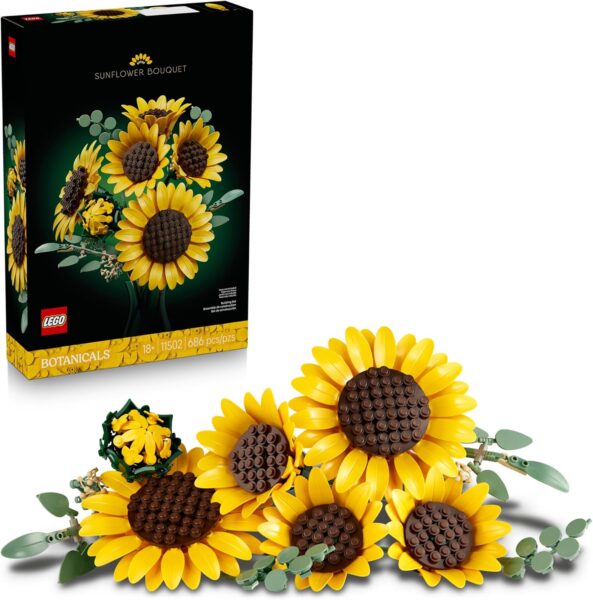
LEGO Botanicals Sunflower Bouquet Building Set for Adults, Ages 18+ - Gifts for Mothers Day
Helping kids notice what mom actually does every day
One of the biggest steps in teaching appreciation is helping kids see effort.
A child might not realize that:
- Meals take planning and time
- Laundry is repeated every day
- Emotional support is constant work
- Small tasks are endless and invisible
These things often go unnoticed because they are consistent.
A helpful approach is simple explanation during normal moments.
For example:
- “This meal took time to prepare.”
- “Cleaning the house is something done every day.”
- “Helping everyone takes energy.”
No long speeches needed. Just small awareness moments.
Once children start noticing effort, appreciation becomes more natural.
Simple Mother’s Day activities kids can do
Mother’s Day does not need big or expensive ideas. Kids connect best with simple and personal actions.
Here are easy ideas:
- Draw a picture of mom
- Write a short thank-you note
- Help prepare a simple breakfast
- Make a handmade card
- Say three kind things about mom
These actions are not about perfection. They are about expression.
Even young children can participate with help. Older kids can add more personal touches.
The key is effort, not size.
Teaching kids gratitude through daily habits, not just one day
Mother’s Day is important, but real appreciation grows from daily habits.
If gratitude only happens once a year, it becomes an event. But when it happens daily, it becomes a character trait.
Simple habits include:
- Saying thank you without reminders
- Helping with small tasks
- Noticing when mom is tired
- Speaking kindly during small frustrations
At first, kids may forget. That is expected. Habits take repetition.
Over time, these small actions become part of normal behavior.
The Centers for Disease Control and Prevention highlights that consistent routines play a major role in child development, including emotional and social skills.
Why kids sometimes struggle to show appreciation
It is important to be realistic. Children do not always express gratitude easily.
There are a few common reasons:
- They are focused on their own world
- They assume care is automatic
- They do not fully understand effort yet
- They are still learning emotional language
This is not lack of love. It is development.
Kids often feel appreciation but do not know how to express it yet.
That is why teaching is needed, not pressure.
The role of parents in teaching Mother’s Day appreciation
Children learn more from what they see than what they are told.
If parents show appreciation in daily life, children naturally copy it.
For example:
- Saying thank you to each other
- Helping without being asked
- Speaking kindly during stress
- Showing gratitude for small things
These actions quietly teach emotional behavior.
Kids absorb patterns more than instructions.
So Mother’s Day becomes even more powerful when it reflects what already happens at home.
Common mistakes when teaching kids appreciation
Sometimes teaching gratitude does not work well because of small misunderstandings.
One mistake is turning it into pressure. If children feel forced, appreciation feels fake.
Another mistake is expecting instant results. Gratitude takes time to grow.
A third mistake is only focusing on Mother’s Day and forgetting daily life.
Real appreciation is not a performance. It is a habit that builds slowly.
The World Health Organization emphasizes the importance of emotional development in early childhood, especially through stable environments and consistent relationships.
Simple ways kids can show appreciation beyond Mother’s Day
Mother’s Day is a starting point, not the end.
Kids can continue appreciation through small daily actions:
- Give hugs without being asked
- Say one kind sentence each day
- Help with small household tasks
- Notice when mom is busy and be patient
- Write small surprise notes
These actions do not need planning. They just need awareness.
Even small gestures can carry strong emotional meaning.
Why teaching appreciation helps children long term
Children who learn gratitude early often grow into more empathetic people.
They become better at:
- Understanding others
- Managing emotions
- Building strong relationships
- Showing kindness naturally
It is not about creating “perfect” kids. It is about helping them understand connection.
When children learn that love is both received and given, something important changes in how they see the world.
FAQ
1. How do kids show appreciation to mom on Mother’s Day?
Kids can give handmade cards, say thank you, help at home, or write short notes expressing love.
2. Why is Mother’s Day important for teaching kids gratitude?
It helps children notice daily care from mom and connect actions with appreciation.
3. What are simple Mother’s Day ideas for children?
Drawing pictures, helping with breakfast, or saying kind words are simple and meaningful.
4. At what age can kids start learning gratitude?
Even toddlers can start with simple thank you habits, but deeper understanding grows with age.
5. How can parents teach appreciation beyond Mother’s Day?
By modeling gratitude daily and encouraging small helpful actions at home.