Getting kids active every day doesn’t have to mean long workouts or strict routines. Movement can be playful and exciting. The goal is at least 60 minutes of physical activity each day, and that can be broken into fun segments. Whether your child loves dancing, exploring, or pretending to be superheroes, there are many ways to weave movement into daily life.
Why Daily Movement Matters for Kids
Movement helps children in so many ways. It keeps their heart and lungs strong. It builds better bones and muscles. When kids play more, they often sleep better and feel happier. Exercise supports healthy weight and even boosts learning and memory at school. Regular activity helps with mood and reduces anxiety.
Turn Chores Into Movement
Even simple chores can be active and fun. Ask your child to help by carrying laundry baskets or watering plants. Invite them to sweep or wipe surfaces with a little dance or movement twist. Folding towels or picking up toys can become a game. Play some music while working and encourage movement between tasks. Chores can sneak in activity without feeling like a workout.
Playful Games That Keep Kids Active
Classic games like tag, hide-and-seek, and freeze dance are great ways to move. Set up obstacle courses using cushions, chairs, or backyard tools. Make it a race or timed challenge. Jumping games like hopscotch or jumping rope bring speed and fun while strengthening legs and bones. Pretend play—like pretending to be animals, pirates, or astronauts—can create imaginative movement. These types of games often lead to 15 or 20 minutes of continuous play before kids even realize they are exercising.
Dance and Movement to Music
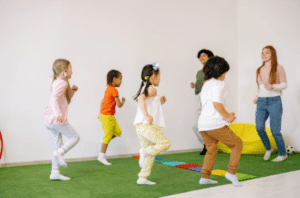
Children love music. Dancing along to favorite songs can be cheerful cardio. Turn on a fun playlist and invite your child to copy dance moves or choreograph short routines. Use freeze dance to stop and move when the music pauses. Try simplified versions of popular dance trends. Even musical statues encourages stillness and movement in turn. Dance can be done indoors or outside, and no equipment is needed. It can be done as a family, too, making it social and memorable.
Outdoor Adventures and Nature Walks
Being outside gives kids space to run and breathe fresh air. Nature walks or park visits offer natural opportunities to move—climbing small hills, jumping over logs, or skipping on paths. Ask your child to count birds, find leaves, or explore rocks. Make scavenger hunts where they walk or jog while searching for items. Exploring nearby trails or walking around the neighborhood is an easy way to add steps. Even a short walk after school or dinner adds up toward the daily activity goal.
Indoor Active Play on Rainy Days
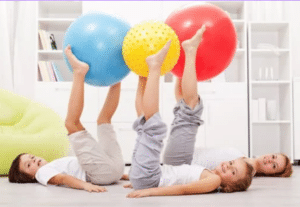
Not all days are sunny, but that doesn’t mean movement stops. Living rooms can become dance floors or obstacle courses. Use kids’ videos or apps that feature active games like mini cardio routines or kid-friendly yoga. Roll up throw pillows into tunnel crawls or build forts to crawl through. Use stretch bands or light indoor play equipment like foam balls. Turn hallways into a mini race track or do wall push-ups. These indoor activities keep energy high and movement fun, rain or shine.
Active Screen Time Alternatives
Screens often keep kids still, but screen time doesn't have to be inactive. Some video games now require movement like dancing, jumping, or balancing. Fitness apps designed for kids offer short guided sessions that prompt jumping jacks, shadow boxing, or running in place. Try follow-along videos that encourage movement rather than passive viewing. Even turning commercials into mini workouts helps break long periods of sitting.
Sports and Team Play with Flexibility
Organized sports like soccer, basketball, or swimming encourage regular movement and social skills. But not all kids like competitive sports. Offer alternatives like dance classes, martial arts, gymnastics, or hiking groups. Playing catch in the yard or tossing frisbees can be active without a team. Even informal pick-up games with friends or neighborhood kids help build habits of daily movement. Try different activities so kids can find what fits their interests.
Movement Breaks During Learning Time
Kids sitting at desks or doing schoolwork need short breaks for the body and mind. Activity breaks help refocus and move energy. Simple stretches, jumping in place, or short dance videos work well. Some schools let children do movement breaks after reading to reset focus. Use timers to break up homework sessions with brief movement sessions. These breaks not only get the heart pumping but also support mental focus and mood.
Involving the Whole Family
Active families build healthy habits together. Plan evening walks or runs. Do family dance-offs. Play active board games or backyard games like tag or hide-and-seek. Weekend adventures like biking, hiking, or swimming help kids associate activity with fun time. Parents who are active role models inspire children to follow. Family activity also brings bonding and helps reduce stress.
Encouraging Movement for Kids with Special Needs
Every child can benefit from movement, even if they have health challenges. Children with limited mobility can do seated exercises or gentle stretching. Include muscle-strengthening activities like climbing stairs or light resistance exercises. Work with occupational or physical therapists to create safe routines. Movement can be adapted to fitness and ability levels, and helps all children feel capable and included.
Tracking Progress and Building Routines
It’s helpful to track activity in a fun way. You can use an activity journal, calendar, or chart that kids color in. Celebrate when movement goals are reached with praise or a family activity reward. Gradually build up activity routines—like a morning stretch or after-school play time—and try to make them consistent. Routines make movement easier and part of the daily rhythm.
When to Talk to a Doctor
Most children can handle daily activity. But if your child experiences pain during movement, fatigue that worsens, or difficulty breathing, speak with your pediatrician. They can check for conditions like asthma or fatigue issues. It’s also important to ensure proper footwear, hydration, and rest to support safe activity.
Making Activity Fun Without Pressure
It’s easiest when movement feels playful, not forced. Offer choices rather than commands. Let children help pick the activity or set the music. Follow their interests—some may love dancing, others prefer exploring outdoors or throwing a ball. Avoid pressure or comparing to peers. Encouragement and variety help foster lifelong healthy habits.
Final Thoughts
Daily movement is vital for children’s physical, emotional, and academic health. It doesn’t need fancy equipment or strict routines. When play is fun, kids naturally move more. Whether dancing, walking, playing, or stretching, these small actions add up. The goal is at least 60 minutes of active play in varied, joyful forms. With daily movement woven into life, kids grow up stronger, happier, and healthier.
FAQ
- How much exercise should kids get each day?
Kids ages 6 to 17 need at least 60 minutes of physical activity daily, including aerobic, muscle-, and bone-strengthening activities. - Are short bursts of active play enough?
Yes. Several short active sessions throughout the day count toward the total as long as they are fun and energetic. - What if my child dislikes organized sports?
That’s okay. Informal play, dancing, nature exploration, or family walks all provide healthy movement without competition. - How do I reduce screen time and promote activity?
Set clear screen time limits and replace it with active play options like dance breaks, games, or outdoor play involving movement. - What if movement causes fatigue or discomfort?
Talk to your child’s doctor. Some kids may need modified routines or allergy checks. Proper rest, hydration, and pace are important.
References
Centers for Disease Control and Prevention (CDC): Physical activity guidelines for children and teens
World Health Organization (WHO): Physical activity fact sheets on child health
Verywell Mind: Research linking movement to better mental health in children
Better Health Victoria: Guidelines for child activity and development
Children’s Colorado: How exercise supports mental health and learning