Most children eventually run into someone they simply do not like.
It may be a classmate who always interrupts. A teammate who acts bossy. A cousin who constantly teases. Sometimes the reason is obvious. Other times, children just feel uncomfortable around someone and cannot fully explain why.
Many parents worry when they hear their child say, "I don't like him" or "I don't want to play with her." The natural reaction is often to encourage friendship. But real life does not work that way. Not every person will become a friend, and children do not need to like everyone they meet.
What children do need is the ability to treat others respectfully, even when feelings are mixed. This skill becomes increasingly important as they grow. School, work, family gatherings, and community activities all involve people with different personalities. Learning how to handle those situations gracefully is a life skill that lasts far beyond childhood.
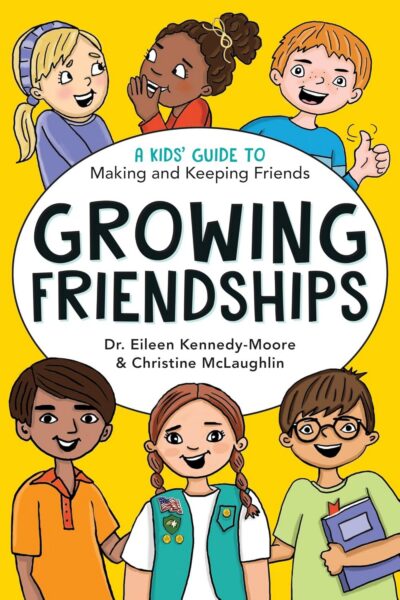
Growing Friendships: A Kids' Guide to Making and Keeping Friends (Growing Together)
It Is Normal Not to Like Everyone
One of the most helpful things parents can teach is that not liking someone does not make a child mean or unkind.
Adults experience this too. Most people have coworkers, neighbors, or acquaintances they would not choose as close friends. Yet they still communicate politely and work together when necessary.
Children sometimes think there are only two choices. Either someone is a friend or an enemy. Real relationships are often much more complicated than that.
A child can dislike someone's behavior without hating the person. That distinction matters. It helps children avoid turning small conflicts into larger emotional battles.
When parents acknowledge a child's feelings instead of immediately correcting them, children often become more willing to discuss the situation calmly.
Respect Is Different from Friendship
Many children confuse kindness with friendship.
A child may think that being polite means becoming best friends with someone they dislike. That misunderstanding can create resistance.
It helps to explain that respect is not the same thing as friendship.
A child does not have to invite everyone to a birthday party. A child does not have to share every secret or spend every recess together. However, basic respect is expected.
Simple actions show respect:
• Speaking politely
• Taking turns
• Listening when others speak
• Avoiding name-calling
• Following group rules
These behaviors help children function successfully in social settings even when strong friendships do not exist.
Teach Children to Focus on Behavior
Children often label people very quickly.
They may say, "She's annoying" or "He's rude."
The challenge is that labels tend to shut down understanding. Once a child decides someone is completely bad, every interaction becomes colored by that belief.
Instead, it helps to focus on specific behaviors.
Rather than saying, "That boy is mean," a child can learn to say, "I didn't like it when he pushed ahead in line."
This small shift changes everything. It turns a judgment into an observation.
Children who can describe behavior are more likely to solve problems effectively. They also become better at understanding that people can make mistakes without being permanently defined by them.
Help Children Manage Strong Emotions
Disliking someone often brings strong emotions.
Anger, frustration, jealousy, embarrassment, and disappointment can all appear. These feelings are normal, but they should not control behavior.
A child who feels angry may want to insult someone. A child who feels hurt may want revenge. In the moment, those reactions can feel justified.
Yet most children later regret what they said or did.
Parents can help by teaching a simple pause before reacting.
Taking deep breaths, counting slowly, walking away briefly, or talking to a trusted adult can prevent situations from escalating.
Emotional control is not about suppressing feelings. It is about choosing actions wisely even when emotions are intense.
Teach Healthy Boundaries
There is another important lesson that sometimes gets overlooked.
Getting along with difficult people does not mean accepting bad treatment.
Children should know they can set boundaries when someone behaves inappropriately.
If a peer constantly insults them, pressures them, or ignores personal space, a child does not need to tolerate it.
Healthy boundaries might sound like:
"I don't like that."
"Please stop."
"I need some space right now."
"I'm going to sit somewhere else."
These simple statements help children protect themselves while remaining respectful.
Many adults struggle with boundaries because they were never taught these skills as children.
Practice Real-Life Scenarios
Social skills are easier to understand when children can practice them.
Role-playing may feel a little silly at first, but it can be surprisingly effective.
A parent can pretend to be an annoying classmate. The child can practice responding calmly.
What happens if someone interrupts repeatedly?
What if a classmate refuses to share?
What if another child says something unkind?
Practicing responses ahead of time gives children confidence when real situations occur.
Without practice, children often react impulsively. With practice, they have tools ready to use.
Avoid Forcing Friendships
Parents sometimes try to solve conflicts by pushing children together.
The idea sounds reasonable. More time together should help them become friends, right?
Not always.
In some cases, forced friendships create more resentment. Children may feel that their feelings are being ignored.
A better approach is encouraging respectful interaction rather than demanding close friendship.
Children should know they can be civil, cooperative, and kind without becoming best friends.
That distinction often reduces pressure and improves social interactions naturally.
Model the Behavior You Want to See
Children notice far more than adults realize.
When adults gossip about neighbors, insult coworkers, or speak harshly about others, children absorb those messages.
On the other hand, children also notice respectful disagreement.
When adults handle conflict calmly, listen to different opinions, and remain courteous during difficult conversations, they provide a powerful example.
Social skills are not taught only through words. They are often learned through observation.
A child who regularly sees respectful behavior is more likely to practice it.
Why This Skill Matters Later in Life
The ability to get along with people we dislike becomes increasingly valuable with age.
School eventually becomes college. College becomes work. Work involves colleagues, customers, managers, and clients with very different personalities.
Success in life often depends less on avoiding difficult people and more on managing those relationships wisely.
Children who develop emotional intelligence early tend to handle disagreements more effectively. They often build stronger friendships and experience less social stress.
Perhaps most importantly, they learn that respect is a choice. It does not depend on liking someone.
That lesson can serve them for decades.
Final Thoughts
One of the most realistic goals in parenting is not teaching children to like everyone. That simply is not possible.
The real goal is helping children understand that people can be different, frustrating, annoying, or difficult, and still deserve basic respect.
Children who master this skill gain something valuable. They become better communicators. They handle conflict more calmly. They build healthier relationships and stronger boundaries.
Life will always include challenging personalities. The children who thrive are not necessarily the ones surrounded by perfect friends. They are often the ones who know how to navigate imperfect relationships with maturity, kindness, and confidence.
FAQ
1. Is it normal for children to dislike someone?
Yes. Children naturally connect with some people more easily than others. Not liking someone does not mean a child is unkind.
2. Should parents force children to be friends?
No. Respectful behavior should be encouraged, but genuine friendship cannot be forced.
3. How can children stay polite to someone they dislike?
Children can use respectful language, listen when appropriate, follow group rules, and avoid insults or rude behavior.
4. What if another child is mean or bullying?
Children should be taught to set boundaries, seek help from trusted adults, and report bullying when necessary.
5. How do children develop better social skills?
Practice, role-playing, emotional coaching, and positive adult examples all help children build stronger social skills.
6. Why is emotional intelligence important for children?
Emotional intelligence helps children understand feelings, manage conflict, build friendships, and make better social decisions.
7. How can parents help children handle conflict?
Parents can listen without judgment, discuss solutions, practice communication skills, and model respectful behavior.
8. Can learning these skills help later in life?
Absolutely. Respectful communication and conflict management are valuable skills in school, work, family life, and relationships.