Summer Skin Rashes in Kids: A Common Parent Worry
When summer arrives, skin problems often show up together.
Many parents notice small red bumps on their child’s skin and ask the same question:
Is this heat rash, or is it eczema?
These two conditions can look very similar in hot weather, but they need different care.
Knowing the difference can help your child feel better faster—and save parents a lot of stress.
Heat Rash vs. Eczema: What’s the Difference?
What Is Heat Rash?
Heat rash (also called prickly heat) is very common in hot and humid weather.
When a child sweats a lot and sweat cannot evaporate, sweat glands become blocked. Sweat leaks into the skin and causes small bumps.
Common types of heat rash include:
- Red heat rash: Small red bumps. Most common and usually mild
- White heat rash: Tiny clear or white blisters
- Pustular heat rash: More severe, may involve infection
Heat rash usually feels hot or uncomfortable, but it is not very itchy or painful.
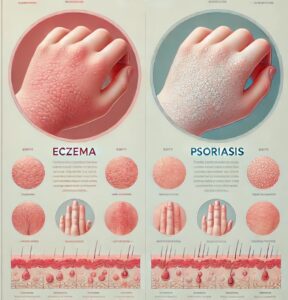
What Is Eczema?
Eczema has more complex causes. It is linked to:
- A weakened skin barrier
- Allergies or sensitive skin
- Environmental triggers
- Dry skin
Common features of eczema:
- Can appear on the face, arms, legs, or body
- Often appears on both sides of the body
- Very itchy
- Easy to worsen with scratching
- Tends to come back
- Can happen in any season, not just summer
For children, eczema usually causes more discomfort than heat rash.
How to Tell Them Apart Quickly
More Likely Heat Rash If:
- Appears on the neck, armpits, back, scalp, or skin folds
- Gets worse in hot weather
- Improves after cooling and better airflow
- Clears up within a few days with proper care
More Likely Eczema If:
- Comes back again and again
- Appears in different places
- Skin looks red, rough, or dry
- Strong itching is present
- Cooling alone does not help

Aveeno Baby Eczema Therapy Nighttime Body Balm
How to Care for Heat Rash
1. Cooling and Airflow Come First
Reducing sweating is the most important step.
- Use air conditioning or fans when needed
- Dress children in loose, breathable clothes
- Let sweaty areas dry when possible
For babies, avoid holding them in the same position for too long, especially if the face or head gets warm.
2. Daily Baths, but Not Too Hot
- Keep bath water at 38°C (100°F) or lower
- Clean gently, do not scrub
- Between baths, you can use a cool, damp towel to gently cool the skin
With proper care, most heat rash improves quickly.
How to Care for Eczema
1. Avoid Triggers
Try to reduce:
- Dry skin
- Friction from rough clothing
- Products with fragrance or harsh ingredients
- Known allergens
Choose soft, cotton clothing for daily wear.
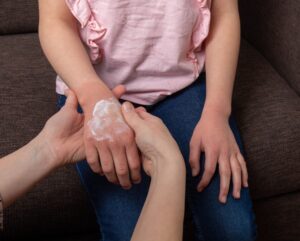
2. Moisturizing Is the Key Step
Moisturizing is essential for eczema at all stages.
- Mild eczema: Regular moisturizing may be enough
- Moderate to severe eczema: May need medicated creams under medical guidance
Tips for moisturizing:
- Use enough product
- Apply often
- Apply right after bathing while the skin is still slightly damp
This helps lock in moisture and protect the skin barrier.
What If Heat Rash and Eczema Happen Together?
This is common in summer.
Simple care rules:
- Cool first – Cooling helps heat rash and does not harm eczema
- Moisturize wisely –
- Apply moisturizer only on eczema areas if rashes are separate
- Use light lotions if areas overlap
- See a doctor if needed – If eczema does not improve, proper treatment is safer than waiting
Can Kids Use Air Conditioning When They Have Heat Rash?
Yes.
Just remember:
- Avoid cold air blowing directly on the child
- Do not set the temperature too low
With proper cooling, most heat rash improves quickly.
A Reassuring Note for Parents
Summer skin rashes are common and do not mean you are doing something wrong.
- Heat rash: Focus on cooling and airflow
- Eczema: Focus on moisturizing and proper care
When you know what you are dealing with and choose the right method, most children’s skin problems can settle down over time.
FAQ
Is heat rash itchy?
Usually no, or only mildly. Strong itching is more common with eczema.
Can heat rash turn into eczema?
No. They are different conditions, but a child can have both at the same time.
Should I stop moisturizing in summer?
No. Children with eczema still need regular moisturizing, even in hot weather.
How long does heat rash last?
With proper cooling and care, it often improves within a few days.
When should I see a doctor?
If the rash does not improve, gets worse, shows signs of infection, or causes severe itching, medical advice is recommended.