Children catch colds, coughs, and other infections so easily that parents often wonder if there’s a way to make their immune system stronger. Food plays a big role here. The immune system is like a tiny army inside the body. It fights germs, heals cuts, and protects children every single day. While no food can prevent every illness, eating the right mix of nutrients gives that army the tools it needs to fight well.
Healthy eating for kids doesn’t have to be fancy. Many of the best foods for boosting immunity are things already in the kitchen—bright fruits, crunchy vegetables, whole grains, nuts, seeds, eggs, yogurt, and more. The trick is to use them in ways that kids actually enjoy, because no food helps if it never gets eaten.
Parents sometimes think of vitamins as magic pills, but in most cases, kids can get what they need from food. Nature packed nutrients into everyday meals long before supplements were invented. Fresh berries, soft scrambled eggs, a bowl of oatmeal, or even homemade chicken soup all carry hidden powers for the immune system.
Why Nutrition Matters for Kids’ Immunity
Kids grow fast. Their bodies are building new cells, muscles, and bones every day. To do this, they need fuel and materials, and that comes from food. But food isn’t only for energy. It also provides vitamins, minerals, healthy fats, and proteins that control how the immune system works.
A child who eats a wide variety of foods tends to have a stronger defense system compared to one who eats mostly processed snacks or sugary treats. Too much sugar can even weaken the immune response, making it harder for kids to recover from illnesses.
Think of the immune system like a football team. Every nutrient has its position—vitamin C may be the goalkeeper, zinc the defender, protein the striker, probiotics the coach. If one is missing, the team doesn’t play as well. A balanced diet helps every player stay in the game.
Fruits Rich in Vitamin C
Vitamin C is one of the first things people think about when talking about immunity. It helps the body make white blood cells, which are like little soldiers fighting off germs. Kids don’t need huge doses, but having some vitamin C every day keeps the defenses sharp.
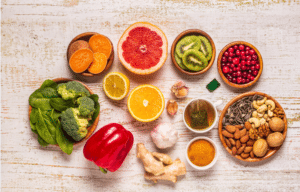
Oranges are a classic, but they’re not the only option. Strawberries, kiwis, mangoes, and papayas also provide plenty of vitamin C. Even bell peppers (the red, yellow, and green ones) are surprisingly high in this vitamin. Sliced peppers with hummus can be an easy after-school snack.
For picky eaters, blending fruits into smoothies often works better than pushing a bowl of fruit salad. A banana-strawberry smoothie or orange-mango mix not only tastes like dessert but also quietly builds immunity.
Colorful Vegetables for Antioxidants
Vegetables are not every child’s favorite, but they’re worth the effort. Spinach, broccoli, sweet potatoes, and carrots are loaded with antioxidants like beta-carotene, which the body turns into vitamin A. Vitamin A keeps the skin and the lining of the nose and throat strong—these are the first barriers against germs.
Parents sometimes notice that kids who eat more vegetables bounce back quicker from colds. That’s because antioxidants help repair cells and reduce inflammation. Roasting vegetables with a little olive oil makes them sweeter and softer, which many children prefer over raw or boiled versions.
A fun way to introduce veggies is through “rainbow plates.” Asking kids to choose different colors—orange carrots, green peas, purple beets—turns mealtime into a playful activity. When children feel like they’re part of the decision, they’re more likely to try new foods.
Protein for Growth and Repair
Protein is not just for building muscles. It also produces antibodies that fight infections. Without enough protein, kids may heal more slowly or feel weak when sick.
Chicken, turkey, eggs, beans, tofu, fish, and even plain yogurt are good sources of protein. Chicken soup, often given to sick children, has more than just comfort value—it provides protein, hydration, and minerals that help during recovery.
Eggs deserve special mention. They’re small but mighty, full of protein, vitamin D, and choline. Scrambled eggs with spinach or a boiled egg in a lunchbox can be an easy immune-friendly choice.
Whole Grains for Energy and Fiber
Whole grains like oats, brown rice, and whole wheat bread give kids steady energy. They also have B vitamins and minerals that support the immune system. Unlike sugary snacks that spike energy and then crash, whole grains provide fuel that lasts.
Oatmeal topped with fruit and a drizzle of honey can be a warm, immune-boosting breakfast. Popcorn, when not drenched in butter or sugar, is actually a whole grain snack that kids enjoy. Quinoa, though less common, is a protein-rich grain that can be used in salads or bowls.
Fiber in whole grains also feeds the good bacteria in the gut, which is where much of the immune system lives. A healthy gut means better overall immunity.
Probiotic Foods for Gut Health
The gut is sometimes called the “second brain,” but it could also be called the “immune hub.” Nearly 70% of the immune system lives in the digestive tract. That’s why foods with probiotics—good bacteria—can be so powerful.
Yogurt is the most familiar probiotic food for kids. Choosing plain yogurt without added sugar and topping it with fruit or granola makes it healthier. Kefir, a drinkable yogurt, is another option. For adventurous eaters, small portions of fermented foods like sauerkraut or miso soup can also help.
Probiotics support a balance of bacteria in the gut, making it harder for harmful germs to take over. Parents often notice fewer tummy troubles when probiotics are part of regular meals.
Healthy Fats for Strong Cells
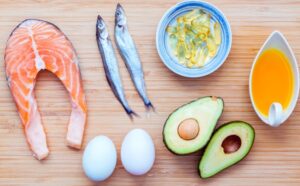
Not all fats are bad. In fact, kids need healthy fats to absorb vitamins and keep their immune cells strong. Omega-3 fatty acids, found in salmon, tuna, walnuts, chia seeds, and flaxseeds, help reduce inflammation in the body.
Nut butters (peanut, almond, cashew) spread on whole grain toast or apple slices can be both tasty and immune-friendly. For kids who don’t like fish, chia pudding or flaxseed in smoothies can sneak in omega-3s without fuss.
A drizzle of olive oil on roasted vegetables or pasta is another simple way to include healthy fats in meals.
Iron and Zinc for Defense
Iron helps carry oxygen in the blood, giving kids the energy to fight infections. Lean red meat, beans, lentils, and spinach are good sources. Pairing plant-based iron sources with vitamin C (like beans with tomato sauce) makes it easier for the body to absorb.
Zinc is another mineral that supports immune function. It helps wounds heal faster and boosts the body’s response to infections. Foods rich in zinc include pumpkin seeds, chickpeas, and fortified cereals. Even a small handful of pumpkin seeds as a snack can make a difference.
Hydration and Immune Health
Water often gets forgotten in immune discussions, but hydration is key. The body uses fluids to carry nutrients and flush out waste. When kids are dehydrated, their mucous membranes dry out, making it easier for germs to enter.
Encouraging water instead of sugary drinks helps both immunity and overall health. Herbal teas like chamomile (mild and caffeine-free) can also soothe children during cold season. Soups and juicy fruits like watermelon or oranges add to hydration naturally.
Foods to Limit for Stronger Immunity
While focusing on immune-boosting foods is important, it also helps to reduce foods that weaken the system. Too much sugar can lower the body’s ability to fight germs for several hours after eating. Processed foods high in unhealthy fats or additives may also interfere with healthy immune function.
This doesn’t mean kids can never enjoy cookies or chips, but keeping them as treats instead of daily staples helps the immune system stay strong. Replacing soda with fruit-infused water or trading fried snacks for baked ones are small steps with big impact.
Final Thoughts on Immune-Boosting Foods for Kids
Building strong immunity isn’t about one superfood. It’s about balance—mixing fruits, vegetables, proteins, whole grains, healthy fats, and probiotic foods across the week. Even small changes add up over time.
Parents often notice that children who eat a variety of these foods get sick less often or recover faster. The immune system is not a shield that blocks every germ, but it works best when nourished daily with the right foods.
The goal is not perfection but progress. A handful of berries in yogurt, a veggie omelet at breakfast, or a bowl of chicken soup at dinner—all these little choices quietly shape a child’s immune strength.
FAQ
What fruits help kids’ immune system the most?
Citrus fruits like oranges, plus strawberries, kiwis, and mangoes, are rich in vitamin C and support children’s immunity.
Are probiotics good for kids’ immune system?
Yes. Foods like yogurt, kefir, and sauerkraut add good bacteria to the gut, which plays a big role in kids’ immune defense.
Can eggs boost children’s immunity?
Eggs provide protein, vitamin D, and other nutrients that help strengthen kids’ immune system and overall health.
Which vegetables help immunity in kids?
Spinach, broccoli, carrots, and sweet potatoes are packed with antioxidants that protect children from infections.
How much water should kids drink for strong immunity?
Enough to stay hydrated—usually 4 to 8 cups per day depending on age, activity, and weather. Water keeps the immune system working properly.
References
- Centers for Disease Control and Prevention (CDC) – Nutrition and Immunity
- American Academy of Pediatrics – Healthy Children Nutrition
- Harvard T.H. Chan School of Public Health – Nutrition and Immunity
- Mayo Clinic – Children’s Nutrition Basics
- World Health Organization (WHO) – Healthy Diet Facts