Colic is one of the most common concerns for parents of young children. Babies with colic often cry for long periods, especially in the evening, and sometimes parents wonder if food is the cause. While colic can have many reasons, diet is an important factor, especially for formula-fed babies or breastfed babies whose mothers eat certain foods. Understanding which foods may trigger colic can help parents reduce discomfort for their child.
1. Dairy Products
Dairy is one of the most common triggers of colic in babies. Cow’s milk protein can be hard for some babies to digest.
- Formula-fed babies may react to regular cow’s milk formula.
- Breastfed babies may be sensitive to dairy in their mother’s diet.
- Signs may include gas, bloating, fussiness, or rash.
Parents can try hypoallergenic formulas or reduce dairy intake in breastfeeding moms if colic seems linked to dairy. Always consult a pediatrician before making changes.
2. Caffeine and Chocolate
Caffeine can pass through breast milk and affect a baby’s digestive system. Chocolate contains caffeine and other stimulants that may also cause discomfort.
- Coffee, tea, energy drinks, and chocolate may make colic worse.
- Even small amounts can trigger fussiness in sensitive babies.
- Reducing caffeine and chocolate intake while breastfeeding can sometimes help.
For formula-fed babies, chocolate-flavored formulas or additives may also be irritating.
3. Cruciferous Vegetables
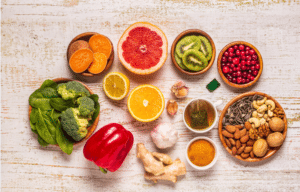
Certain vegetables may cause gas in both mothers and babies. Vegetables like broccoli, cabbage, cauliflower, and Brussels sprouts are healthy but can increase gas and bloating in some children.
- Gas from these foods may make colic worse.
- Moderation is key, especially for breastfeeding mothers.
- Cooking vegetables thoroughly can reduce gas-forming compounds.
Parents should observe patterns and see if gas worsens after eating these foods.
4. Spicy or Strong-Flavored Foods
Spicy foods can sometimes affect breastfed babies or toddlers. Strong flavors may irritate a sensitive digestive system.
- Chili, curry, garlic, or onions may increase fussiness.
- Not all babies are sensitive, but it is worth monitoring if colic worsens.
- Mild flavors and small portions are safer during early months.
5. Beans, Lentils, and Legumes
Beans and lentils are nutritious but can cause gas. They are rich in fiber and complex sugars that are harder to digest.
- These foods may lead to bloating and colic-like symptoms in toddlers.
- For older children, gradual introduction can help the digestive system adjust.
- Cooking beans thoroughly and adding spices like ginger can reduce gas.
6. Other Potential Triggers
Some babies react to fruit juices, citrus, or artificial additives in processed foods.
- Fruit juices may cause diarrhea and gas.
- Preservatives, coloring, or flavoring in packaged snacks may irritate sensitive tummies.
- Observation and gradual diet changes can help identify triggers.

Dr. Talbot's Gas + Colic Relief Liquid Medicine, Naturally Inspired
Tips for Parents
- Keep a food diary to track which foods seem to trigger colic.
- Make small, gradual changes to see results.
- Don’t eliminate foods completely without consulting a pediatrician.
- Focus on a balanced diet while monitoring your baby’s reaction.
FAQ Section
Q: Can breastfeeding mom’s diet really cause colic?
A: Yes. Certain foods like dairy, caffeine, and spicy meals may pass into breast milk and affect sensitive babies.
Q: Do formula-fed babies have food triggers?
A: Some formulas contain cow’s milk protein or additives that may worsen colic. Pediatric guidance is recommended.
Q: Can fruit or vegetables cause colic?
A: Some gas-forming vegetables like broccoli or beans may increase fussiness in sensitive babies.
Q: Is all colic caused by food?
A: No. Colic has many causes including immature digestion, swallowing air, or gut bacteria imbalance. Food is just one factor.
Q: How can I reduce colic caused by food?
A: Track foods, reduce common triggers, introduce new foods gradually, and consult a pediatrician for guidance.