What Are Fall Allergies in Children?
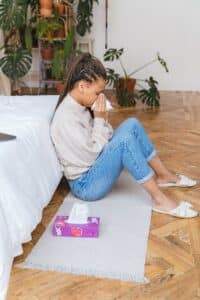
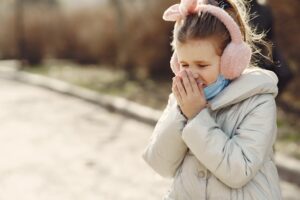
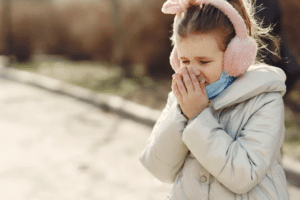
Fall can be a lovely time for children. The weather cools down, leaves change color, and outdoor activities become more comfortable. But for some families, autumn also brings a familiar set of problems: sneezing before school, a runny nose during soccer practice, itchy eyes at bedtime, and a child who seems to have a cold that never quite goes away.
These symptoms may be caused by fall allergies, also called autumn seasonal allergies. They happen when a child's immune system reacts to substances in the air that are usually harmless. Common triggers include ragweed pollen, mold spores, and dust mites. Depending on where a family lives, symptoms may begin in late summer and continue well into fall.
The tricky part is that allergies can look a lot like a cold. A child may have a stuffy nose, a cough, or a sore throat from mucus dripping down the back of the throat. Parents may assume the child has picked up another virus at school. If the symptoms keep returning around the same time each year, however, seasonal allergies deserve a closer look.
What Causes Fall Allergies in Kids?
Ragweed Pollen Is a Common Fall Allergy Trigger
Ragweed is one of the best-known causes of fall pollen allergies in the United States. These plants release tiny pollen grains that can travel through the air and trigger symptoms in sensitive children. A child does not need to touch the plant or play in a field full of weeds to have a reaction. Pollen can travel considerable distances, and even ordinary outdoor activities may expose children to it.
Ragweed pollen is often a problem from late summer into fall, although the timing varies by location and weather. Warm days, windy conditions, and local plant growth can affect pollen levels. Children who seem fine during spring may still develop sneezing, congestion, and itchy eyes in autumn because different plants release pollen at different times of the year.
If symptoms appear around the same time every fall, keeping a simple record can help. Note when the sneezing starts, whether symptoms worsen after outdoor play, and whether they improve on rainy days or after spending time indoors. This information can be useful when discussing possible allergies with a pediatrician.

Aller Hist Kids — Runny Nose & Itchy Watery Eye Support Drops
Mold Spores Can Make Fall Allergies Worse
Fallen leaves may look like the perfect place for children to jump and play, but piles of damp leaves can also collect mold. Mold grows in moist environments and releases tiny spores into the air. For a child who is sensitive to mold, raking leaves, playing in wet gardens, or spending time around decaying plant material may trigger symptoms.
Outdoor mold can be more noticeable during damp weather, especially when leaves and other plant debris are breaking down. Indoor mold can also cause problems if a home has leaks, water damage, or persistent moisture. A child may experience symptoms in more than one setting because mold is not limited to the outdoors.
There is no need to keep children away from every leaf pile or garden. The more useful approach is to reduce exposure when symptoms are active. Children with known mold allergies may do better avoiding piles of damp leaves, and anyone handling a large amount of moldy yard waste should use appropriate protection.
Dust Mites Can Trigger Symptoms Indoors
As temperatures drop, children often spend more time indoors. Windows may stay closed, heating systems may start running, and families may bring out blankets and bedding that have been stored away. For children who are allergic to dust mites, these changes can make symptoms more noticeable.
Dust mites are tiny organisms that live in household dust, especially in mattresses, pillows, upholstered furniture, and bedding. They do not cause seasonal allergies in the same way as ragweed pollen, but their effects may become more obvious during fall when children spend more time inside.
If a child wakes up sneezing, has a stuffy nose in bed, or seems worse while cleaning a dusty room, indoor allergens may be part of the picture. Seasonal pollen and indoor allergens can also affect the same child at the same time, making the cause harder to identify without looking at the overall pattern.
What Are the Symptoms of Fall Allergies in Children?
Fall allergies often affect the nose, eyes, and throat. Some children have just one or two symptoms, while others feel uncomfortable in several ways at once. The most common signs include:
- Repeated sneezing, especially outdoors or in the morning
- A runny or stuffy nose with clear mucus
- Itchy, watery, or red eyes
- An itchy nose, throat, or roof of the mouth
- Mucus dripping down the back of the throat, sometimes causing a cough
- Tiredness or trouble sleeping because of congestion
These symptoms can make ordinary school days harder than they need to be. A child may struggle to concentrate because the nose keeps running, or wake up at night because it is difficult to breathe comfortably through the nose. Some children become irritable simply because they have been dealing with itching and congestion for days.
Allergies can also affect children who have asthma. Pollen and mold may trigger coughing, wheezing, chest tightness, or shortness of breath in a child with asthma. If breathing becomes difficult, the child needs prompt medical attention rather than just another allergy remedy. The American Academy of Pediatrics explains that allergies and asthma often occur together in children.
Is It Fall Allergies or a Common Cold?
This is one of the hardest things for parents to figure out, particularly during the first few weeks of school. Children spend time in busy classrooms, share spaces and equipment, and come into contact with many viruses. A runny nose in September could be a cold, an allergy, or even both.
A cold often comes with a sore throat, general aches, or a fever, although symptoms vary. Allergy symptoms tend to include itching, especially around the eyes and nose, and repeated sneezing. Nasal mucus from allergies is often clear and watery. Allergies may continue for weeks as long as the child remains exposed to the trigger, while many common colds improve within about a week or two.
The pattern matters more than any single symptom. A child who develops itchy eyes and sneezing every fall, especially after playing outside, may have seasonal allergies. A child who feels unwell, develops a fever, and improves after several days may be dealing with a viral infection. These clues are helpful, but they cannot confirm a diagnosis on their own. If symptoms persist, keep returning, or interfere with sleep and school, a pediatrician can help determine the cause.
How to Relieve Fall Allergies in Kids at Home
Check Pollen and Mold Levels
On days when pollen or mold levels are high, try to plan outdoor activities for times when exposure is lower, if practical. Local pollen forecasts can help families decide whether a long afternoon in the park is likely to be comfortable for a child with seasonal allergies.
There is no need to keep a child indoors for the entire fall. Exercise, play, and time with friends are important. The goal is to make sensible adjustments when symptoms flare up, such as choosing an indoor activity on a particularly difficult day or avoiding areas with lots of weeds and damp leaves.
Change Clothes After Outdoor Play
Pollen can cling to clothing, hair, and skin. When a child comes home after playing outside, changing into clean clothes and washing their hands and face can reduce the amount of pollen brought into the home.
A shower before bedtime may also help wash pollen from the hair and skin. This is especially useful when a child tends to rub itchy eyes or wake up congested during the night. These small habits may not eliminate symptoms, but they can make the evening more comfortable.
Keep Bedroom Air and Bedding Cleaner
A child's bedroom should be a place to rest, not somewhere that keeps triggering sneezing. Keep windows closed when outdoor pollen levels are high, and use air conditioning when available. A suitable air purifier with a HEPA filter may help reduce airborne particles in a room, although it cannot remove every allergen or replace other measures.
Wash bedding regularly, clean dusty surfaces, and pay attention to damp areas where mold might grow. If dust mites are a concern, allergen-proof covers for pillows and mattresses may help. If there is a water leak or visible mold, address the moisture problem instead of simply covering the affected area.
These steps are especially helpful when outdoor allergies overlap with indoor triggers. The American Academy of Pediatrics recommends reducing exposure to relevant allergens and keeping sleeping areas as free of triggers as practical.
What Is the Best Medicine for Fall Allergies in Children?
The best treatment depends on the child's age, symptoms, medical history, and the allergens involved. Some children mainly need help with sneezing and itchy eyes. Others have persistent nasal congestion that affects sleep and daily activities. There is no single allergy medicine that is right for every child.
A pediatrician or pharmacist can help parents choose an age-appropriate treatment. Options may include oral antihistamines, antihistamine eye drops, or a nasal corticosteroid spray. Antihistamines can help relieve sneezing, itching, and a runny nose. Nasal corticosteroid sprays can be particularly helpful for ongoing nasal allergy symptoms, but they need to be used according to the product directions and professional advice.
Do not assume that a medicine is suitable simply because it is sold over the counter. Some antihistamines can cause sleepiness, while certain decongestants can cause unwanted effects such as restlessness or a racing heartbeat. Combination cold and allergy products may also contain ingredients a child does not need. Check the label carefully and avoid giving adult products or doses to children.
If symptoms return every year or remain difficult to control, a doctor may recommend allergy testing or refer the child to an allergist. For some children with confirmed allergies, immunotherapy, given as allergy shots or certain under-the-tongue treatments, may be an option. This treatment is planned by an allergy specialist and is not an immediate fix for today's symptoms.
Can Fall Allergies Make Children Tired?
Yes. A child with ongoing nasal congestion may sleep poorly, wake up during the night, or breathe through the mouth because the nose feels blocked. Even when the child gets enough hours in bed, uncomfortable symptoms can leave them feeling worn out the next day.
This can show up in ways that parents do not immediately connect with allergies. A child may seem grumpy after school, struggle to focus on homework, or complain that everything feels tiring. It is easy to assume the child is simply busy or not getting enough sleep, but persistent allergy symptoms may be part of the problem.
If tiredness continues even after the allergy symptoms are controlled, it is worth talking with a pediatrician. Poor sleep can have many causes, and allergies should not automatically be blamed for every change in energy or behavior.
When Should Parents Take a Child to the Doctor?
Mild seasonal allergies can often be managed with help from a pediatrician or pharmacist. However, medical advice is important if symptoms keep returning, last for weeks, disrupt sleep, or make it difficult for a child to take part in school and everyday activities.
A doctor should also check symptoms that do not fit the usual pattern of allergies, such as persistent fever, significant facial pain, severe headaches, or thick nasal discharge accompanied by worsening illness. These symptoms do not automatically mean something serious is happening, but they may point to another condition that needs attention.
Breathing problems deserve particular care. If a child is struggling to breathe, has severe wheezing, or develops swelling of the tongue or throat, seek emergency medical help. If the child has asthma, follow their prescribed asthma action plan and seek urgent care when symptoms are severe or are not improving as expected.
Parents do not need to identify the exact allergen before asking for help. A record of when symptoms occur, where they are worse, and what seems to trigger them can give the doctor a useful starting point.
FAQ About Fall Allergies in Children
1. What are the most common fall allergy symptoms in children?
Common symptoms include sneezing, a runny or stuffy nose, itchy eyes, watery eyes, an itchy throat, and coughing caused by mucus dripping down the throat. Some children also feel tired because congestion interferes with sleep.
2. What causes fall allergies in kids?
Ragweed pollen is a common fall allergy trigger in the United States. Mold spores and indoor allergens such as dust mites can also cause symptoms. The main triggers vary by location, weather, and the child's individual sensitivities.
3. How long do fall allergies last in children?
Fall allergies may last for several weeks or longer, depending on how long the child is exposed to the allergen. Ragweed symptoms can continue until pollen levels fall, often after the first hard frost in areas where ragweed grows.
4. How can parents tell the difference between fall allergies and a cold?
Allergies often cause itchy eyes, an itchy nose, and repeated sneezing without a fever. Colds may include a sore throat, fever, or general feelings of illness. Symptoms that return at the same time each year may suggest seasonal allergies, but a healthcare professional can help confirm the cause.
5. What is the best medicine for fall allergies in children?
The right medicine depends on the child's age and symptoms. Antihistamines may help with sneezing and itching, while nasal corticosteroid sprays may help with persistent nasal symptoms. Ask a pediatrician or pharmacist which product is suitable for the child.