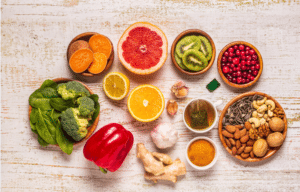
A child’s brain grows faster than any other organ in the body, especially during the first 18 years of life. What children eat directly affects how they think, learn, focus, and behave. Just like a car needs the right kind of fuel to run smoothly, your child’s brain needs the right nutrients to stay sharp, active, and balanced.
Why Nutrition Matters for Brain Health
The brain controls memory, attention, mood, and learning. For children, it’s constantly developing new connections — especially during school years. That means nutrition isn’t just about physical growth; it’s also about mental performance. Poor nutrition can make kids feel tired, distracted, or moody, while a balanced diet supports focus, creativity, and problem-solving.
Top Brain-Boosting Foods for Kids
1. Fish rich in omega-3 fatty acids
Salmon, sardines, and tuna contain DHA and EPA — types of omega-3s that help brain cells communicate. Regular intake of omega-3s can enhance memory and reduce hyperactivity symptoms in children.
2. Eggs for focus and attention
Egg yolks are rich in choline, a nutrient essential for memory and brain cell development. A scrambled egg breakfast helps kids stay full longer and improves morning concentration.
3. Berries to protect the brain
Blueberries, strawberries, and blackberries contain antioxidants that protect brain cells from damage and improve coordination. Studies show that children who eat berries regularly perform better on memory tasks.
4. Whole grains for steady energy
Whole wheat bread, oatmeal, and brown rice release glucose slowly, providing a consistent energy source for the brain. This helps prevent mood swings and energy crashes during school hours.
5. Leafy greens for brain cell protection
Spinach, kale, and broccoli are loaded with folate, iron, and vitamin K — all crucial for brain growth and blood flow. Iron deficiency is one of the most common causes of poor concentration in kids.
6. Nuts and seeds for healthy fats
Walnuts, almonds, sunflower seeds, and chia seeds supply healthy fats, zinc, and vitamin E — nutrients that protect nerve cells and improve focus. Just a handful can be a great afternoon snack.
7. Low-fat dairy for strong nerves
Milk, cheese, and yogurt are rich in protein, calcium, and B vitamins, all of which help nerve cells communicate effectively. Greek yogurt with fruit makes a perfect after-school snack.
Don’t Forget Hydration
The brain is nearly 75% water. Even mild dehydration can cause headaches, fatigue, or slower thinking. Encourage your child to drink water regularly — not just when they’re thirsty. A good rule:
- Ages 4–8: about 5 cups/day
- Ages 9–13: about 7–8 cups/day
- Ages 14–18: up to 9 cups/day
Avoid sugary drinks that can cause energy spikes and crashes. Plain water, milk, and unsweetened herbal teas are best.
Building a Brain-Friendly Eating Routine
- Start with breakfast: A meal with protein (like eggs or yogurt) and whole grains (like oats or toast) helps improve attention span in the morning.
- Include snacks: Offer balanced options such as apple slices with peanut butter, whole-grain crackers with cheese, or veggie sticks with hummus.
- Plan colorful meals: A plate filled with a variety of colors usually means it’s packed with different nutrients.
- Model healthy eating: Children learn best by watching. Eat with your kids and talk about why good food choices matter.
Feeding a child’s brain is more than giving them food — it’s about nurturing their potential. When parents provide balanced meals, consistent schedules, and good hydration, they’re not just feeding their children’s bodies — they’re fueling their dreams.
FAQ
Q1: Can brain foods make my child smarter?
Not directly, but consistent intake of brain-supporting nutrients improves concentration, mood, and learning efficiency — all of which help kids perform better in school.
Q2: Should my child take omega-3 supplements?
If your child doesn’t eat fish, talk to your pediatrician about omega-3 supplements from algae or flaxseed oil. Avoid giving supplements without professional advice.
Q3: How can I get picky eaters to eat healthy foods?
Start small — add finely chopped vegetables to sauces, blend fruit into smoothies, or serve foods in fun shapes. Repeated gentle exposure helps children accept new flavors.
Q4: Are “brain snacks” like gummies and drinks useful?
Most commercial “brain-boosting” snacks are high in sugar and low in real nutrients. Whole foods like nuts, yogurt, and fruits are always better options.
Q5: How does sleep relate to nutrition and brain health?
Lack of sleep can reduce focus and increase cravings for sugary foods. Combine a healthy diet with enough rest (9–11 hours per night for most school-age children) to optimize brain performance.