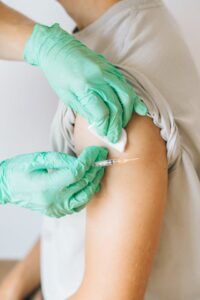
Vaccines help protect children from serious illnesses. But when exactly should your child get each shot? This guide breaks down the vaccination schedule month by month. It’s easy to follow and gives you peace of mind.
Why the Right Timing Matters
Vaccines are given at specific ages for a reason. When babies are young, their immune systems are still learning how to fight germs. Following the recommended schedule ensures they get protection when they need it most.
It’s safe for kids to get multiple vaccines in one visit. Vaccines don't overwhelm the immune system — they're designed to work well together.
Month-by-Month Vaccine Guide
Birth
- Hepatitis B (HepB) dose 1 usually given within 24 hours of birth.
1–2 Months
- HepB dose 2
- DTaP (Diphtheria, Tetanus, Pertussis) dose 1
- IPV (Polio) dose 1
- Hib (Haemophilus influenzae type b) dose 1
- PCV (Pneumococcal conjugate) dose 1
- Rotavirus (RV) dose 1
These vaccines build the first layer of protection in infancy.
4 Months
- DTaP dose 2, IPV dose 2
- Hib dose 2, PCV dose 2
- RV dose 2
This strengthens protection against early infections.
6 Months
- DTaP dose 3, IPV dose 3
- Hib dose 3
- PCV dose 3
- RV dose 3 (if needed)
- Flu vaccine (recommended every year starting at 6 months)
- Possibly COVID-19 vaccine, depending on age and availability.
9 Months
- No routine shots unless needed. Some doctors check growth and health.
12–15 Months
- HepB dose 3
- Hib booster
- PCV dose 4
- MMR (Measles, Mumps, Rubella) dose 1
- Varicella (chickenpox) dose 1
- Hepatitis A (HepA) dose 1
This is a big milestone. Multiple important vaccines go in around 12–15 months to boost protection.
15–18 Months
- DTaP dose 4
- Hib booster if not already given
- HepA dose 2 at least 6 months after the first dose
Some countries are adding extra doses like a fourth DTaP around 18 months starting mid-2025.
4–6 Years
- DTaP dose 5 (final toddler booster)
- IPV dose 4
- MMR dose 2
- Varicella dose 2
Kids get this set before entering school for added protection.
11–12 Years
- Tdap booster (teen/adult version of DTaP)
- MenACWY (meningococcal vaccine)
- HPV vaccine (2 doses for younger adolescents, or 3 doses if started after age 15)
Protects against meningitis, tetanus, and HPV-related cancers.
Yearly Vaccines
- Influenza (flu shot) every year from 6 months onward
- COVID-19 boosters, if recommended by your pediatrician or health guidelines.
✅ Why Staying on Schedule Matters
Skipping or delaying vaccines leaves gaps in protection. During these gaps, children are at higher risk for serious illness. Experts strongly advise following the set schedule for the best protection — especially since diseases like measles are coming back in outbreaks.
If you miss a dose, talk to your pediatrician about a catch-up schedule — vaccines can still be given later safely.
Tips to Help Kids with Shots
- Bring a favourite toy or snack to make them comfortable.
- Offer comfort — cuddles, distraction, or praise help.
- Know that mild fever or soreness is normal.
- Ask your doctor about pain relief if needed after the visit.
FAQ Section
- Can vaccines give my child the diseases they’re meant to prevent?
No. Vaccines contain weakened or inactive germs. They can’t cause the disease but teach the immune system to recognize real threats. - Is it safe to get several vaccines in one visit?
Yes. Studies show it’s safe and effective. Babies are exposed to more germs in daily life than in vaccines. - What if we miss a scheduled shot?
Talk to your doctor. You can follow a catch-up schedule to stay protected. - Do kids really need a flu vaccine every year?
Yes. Flu viruses change each year and yearly vaccines help protect your child better. - Why wait until 11 or 12 years for HPV and meningitis vaccines?
These diseases are more common in older kids and teens. Vaccinating early gives long-term protection.
References
- CDC: Child and Adolescent Immunization Schedule (May 2025)
- HealthyChildren.org by AAP: Immunization guide for parents
- Wikipedia: DPT vaccine schedule in the U.S.
- News sources on recent measles outbreaks, 2025 updates
- Health update on new vaccine dose at 18 months (UK/US context)