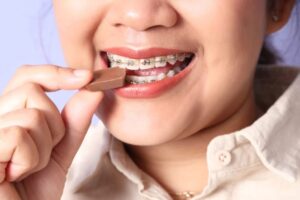
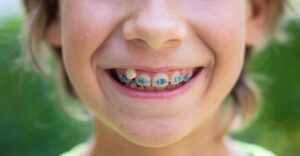
Why so many teens need braces
Teen years are when smiles really start to change. Baby teeth are gone, adult teeth are in place, and suddenly those little gaps or crooked lines become more obvious. It is not unusual to see a middle school or high school classroom where several kids are wearing braces at the same time.
Dentists often point out that this stage is actually ideal for orthodontic treatment. The jaw is still growing, but not too fast. Teeth are easier to move compared to adulthood. In some cases, delaying treatment can make things more complicated later. That is something organizations like the American Association of Orthodontists have emphasized for years.
There is also a social side to this. Teens are more aware of their appearance. Some feel self conscious about crooked teeth, while others are nervous about wearing braces. Both feelings are normal. What matters is helping them understand that this is temporary and often worth it in the long run.
Types of braces for teens and how they really differ
There is no single “best” type of braces for every teen. It depends on how complex the problem is, how responsible the teen is, and yes, how much the family wants to spend.
Here are the most common options parents will hear about at the orthodontist’s office:
- Metal braces
- Ceramic braces
- Lingual braces
- Clear aligners
Metal braces are still the most common. They are strong, reliable, and can fix almost any alignment issue. They are visible, sure, but many teens today actually do not mind. Some even like choosing colorful bands. It becomes part of their personality for a while.
Ceramic braces try to solve the “visible” problem. They blend in with the teeth, so they are less noticeable. But they are a bit more delicate. They can stain if oral hygiene is not great, and that happens more often than parents expect.
Lingual braces sit behind the teeth. On paper, they sound perfect because nobody can see them. In reality, they can feel awkward at first. Some teens complain about tongue irritation or speech changes. They also tend to cost more.
Clear aligners, like Invisalign, have become very popular. They are removable and almost invisible. But here is the catch. They only work if the teen actually wears them for 20 to 22 hours a day. That level of discipline is not always easy, especially with busy school schedules and sports.
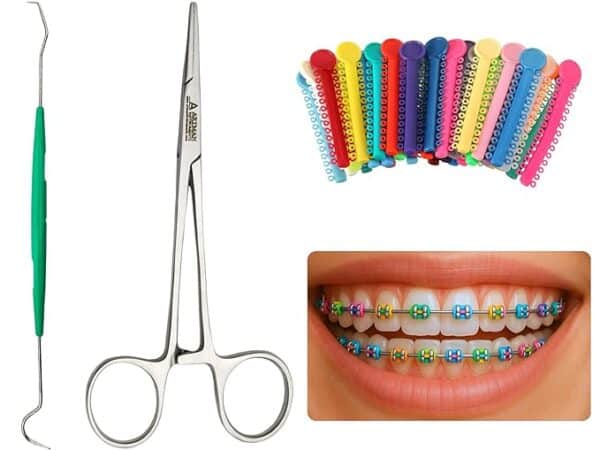
Ligas para Brackets Ortodoncia Dental braces color changing Kit 1040pcs
Teen braces cost and what parents should expect
Cost is usually one of the first questions that comes up, and honestly, it can feel overwhelming at first glance.
Most families in the United States will see numbers somewhere in this range:
- Metal braces around 4000 to 7000 dollars
- Ceramic braces around 4500 to 8000 dollars
- Lingual braces up to 10000 dollars
- Clear aligners anywhere from 3000 to 9000 dollars
The wide range depends on how complex the case is. A simple alignment issue costs less. Severe crowding or bite problems push the price higher.
Insurance can help, but it rarely covers everything. Some plans pay a portion, often with a lifetime cap. It is worth calling the insurance company before making any decisions. In some cases, orthodontists offer payment plans that break the cost into monthly payments, which makes it easier to manage.
There is also a trend worth noticing. More dental schools now offer lower cost treatment supervised by licensed professionals. It takes more time, but for some families, the savings are significant.
What to expect when your teen gets braces
The first appointment is usually more about planning than doing. The orthodontist will take X rays, check how the teeth fit together, and talk through options. It is not rushed, and it should not feel confusing. If it does, that might be a sign to ask more questions.
Once braces are placed, the first week can feel a bit rough. There is pressure, sometimes soreness, and eating feels different. Soft foods help during this period. Things like soup, yogurt, or pasta are easier to manage.
After that, most teens adjust surprisingly quickly. They go back to normal routines, including school, sports, and social life. Regular checkups happen every few weeks to adjust the braces and track progress.
It is worth noting that oral hygiene becomes more important than ever. Food can get stuck around brackets or wires. Without proper cleaning, this can lead to cavities or gum problems. The American Dental Association has repeatedly stressed that brushing and flossing need extra attention during orthodontic treatment.
Daily life with braces for teens
Life does not stop just because braces are on. Teens still go to school, hang out with friends, and play sports. But there are a few adjustments that tend to come up.
Eating habits change a bit. Sticky candy, hard snacks, and chewing ice can damage braces. Most orthodontists give a simple list of foods to avoid, but in real life, teens sometimes forget. That is normal. What matters is getting back on track quickly.
Sports are another concern. Mouthguards are strongly recommended, especially for contact sports. They protect both the braces and the teeth.
Socially, reactions vary. Some teens are completely fine with braces. Others feel awkward at first. It helps when parents keep the conversation open and relaxed. Over time, most teens stop thinking about it as much as they expected.
How long do braces stay on for teens
This is one of those questions that never has a simple answer. On average, treatment lasts between one and three years.
Shorter cases usually involve minor alignment. Longer ones deal with bite correction or severe crowding. Growth patterns also play a role. Every teen’s body responds differently.
In some cases, orthodontists adjust the plan along the way. That can change the timeline slightly. It is not a setback. It is just part of making sure the final result is stable.
After braces come off, retainers are almost always needed. This part is easy to underestimate. Without a retainer, teeth can slowly shift back. That is frustrating, especially after all the effort and cost.
Are braces really worth it for teens
This question comes up more often than expected, especially when cost and time are considered.
From a health point of view, straight teeth are easier to clean. That reduces the risk of cavities and gum disease. Bite problems can also affect chewing and even speech.
From a personal point of view, confidence matters. Many teens feel more comfortable smiling after treatment. It is not just about looks. It is about how they feel in everyday situations.
There is no perfect time for braces, but teenage years tend to offer a good balance between physical readiness and long term benefit.
FAQ
1. What is the best type of braces for teens
The best option depends on the teen’s dental condition and habits. Metal braces work best for complex cases, while clear aligners suit mild issues and responsible teens.
2. How much do braces cost for teenagers
Teen braces typically cost between 3000 and 10000 dollars depending on the type and treatment complexity.
3. Do braces hurt for teens
Braces can cause mild discomfort during the first few days or after adjustments, but most teens get used to it quickly.
4. How long do teens need braces
Most teens wear braces for one to three years, depending on how severe the alignment problem is.
5. Can teens eat normally with braces
Yes, but they should avoid hard, sticky, or chewy foods to prevent damage to the braces.
6. Are clear aligners better than braces for teens
Clear aligners are more comfortable and less visible, but they only work well if worn consistently and are not suitable for severe cases.