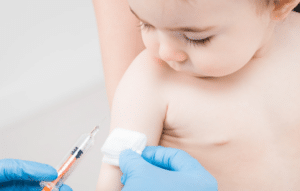
Vaccines are one of the best ways to protect your child from illness. If you are a parent of a baby or toddler, you might wonder which shots they need and when. In 2025, the vaccine schedule includes some updates. This guide explains which vaccines your little one needs and why they matter.
Why Vaccines Matter for Babies and Toddlers
Vaccines keep young children from getting serious diseases like measles, polio, and whooping cough. These diseases can cause long-term problems or even hospitalization. By following the vaccine schedule, your child builds immunity without having to get sick first.
Understanding the Vaccine Schedule
Health experts create a vaccine schedule that shows what shots are needed and when. Parents follow this schedule to keep kids safe at the right age. The schedule is updated based on scientific research and advice from pediatricians and health agencies like the CDC and WHO.
Vaccines at Birth and 1 Month
At birth, your baby should get the first dose of the hepatitis B vaccine. It is given soon after birth to protect against infection from the mother or other sources. At the one-month visit, doctors usually check your baby’s growth and health. If the hepatitis B shot was delayed, it is given then.
Vaccines at 2 Months
When your baby is about two months old, they get several key shots. These include the second dose of hepatitis B, and the first doses of DTaP, polio, Hib, pneumococcal, and rotavirus vaccines. These vaccines protect against diseases like diphtheria, pertussis (whooping cough), polio, meningitis, and severe diarrhea. The rotavirus vaccine is given by mouth instead of a shot.
Vaccines at 4 Months
At four months, your baby should get the second doses of most of the vaccines from the two-month visit. This helps build stronger protection. These repeat doses train the immune system to respond faster and more effectively to germs in the future.
Vaccines at 6 Months
Around six months, your child gets the third dose of DTaP, polio, Hib, pneumococcal, and rotavirus if needed. In addition, the first flu shot is recommended. The flu vaccine is given yearly because flu viruses change. In 2025, recommendations may include a COVID-19 vaccine booster for children age 5 and up.
Vaccines at 12 to 15 Months
Between 12 and 15 months, your child receives important vaccines including MMR (measles, mumps, rubella), varicella (chickenpox), Hib and pneumococcal boosters, hepatitis A, and possibly flu if it’s flu season. These shots protect against infections that can be serious in young children.
Vaccines at 18 Months
At 18 months, the second dose of hepatitis A and the fourth dose of DTaP are given if needed. By this age, your child has built up significant protection and kept up with most primary vaccines.
Vaccines at 4 to 6 Years
As your child approaches preschool or kindergarten, they need final booster doses. These include the fifth dose of DTaP, a fourth dose of polio vaccine, and the second doses of MMR and varicella. These ensure your child has long-lasting protection before starting school.
Why the Schedule May Change in 2025
Every year, health experts review vaccine timing based on new data. In 2025, there may be adjustments such as a COVID-19 booster recommendation, an RSV-flu combo vaccine, or guidance on earlier HPV vaccination starting at age 9. Always check with your pediatrician for any updates.
What to Expect During Vaccine Visits
During a vaccine visit, the nurse or doctor will review your child's history and growth. They will explain which shots your child needs and why. It’s helpful to bring your child’s vaccine record. After shots, there may be mild fussiness, redness, or low fever. It's normal and usually goes away in a day or two.
How to Comfort Your Child After Shots
Holding your baby close helps them feel safe. For older toddlers, distraction with toys or books can ease anxiety. Offering cool fluids and restful time helps too. If your child has soreness, a cool cloth can ease pain. Only give children’s pain relievers if your doctor advises them.
Staying Safe Between Vaccine Visits
Even between visits, there is plenty you can do. Make sure your child washes hands often. Choose healthy snacks like fruits, vegetables, and whole grains. Keep up with well-child checkups, especially before school or travel. Vaccines protect your child, and a healthy lifestyle helps them thrive.
FAQ
- What vaccines do babies need in their first year?
Babies need shots for hepatitis B, DTaP, polio, Hib, pneumococcal, rotavirus, MMR, varicella, hepatitis A, and annual flu shots. - Why does my baby get so many shots early?
Young children are most vulnerable. Early shots protect them before they face serious risks. - Is the flu vaccine safe for babies?
Yes. The flu vaccine is approved for children starting at 6 months and given every year. - What if I miss a vaccine appointment?
Your pediatrician can create a catch-up schedule. Your child doesn’t need to start over—just continue as soon as possible. - Are vaccine doses safe together?
Yes. Getting several vaccines in one visit is safe. Babies’ immune systems can handle it very well.
References
Centers for Disease Control and Prevention (CDC): child and toddler vaccine schedule
American Academy of Pediatrics (AAP): immunization guidelines
World Health Organization (WHO): vaccine recommendations
Cleveland Clinic: vaccines for young children
Mayo Clinic: vaccine guide for infants and toddlers