Introduction
When summer vacation arrives, many parents start planning.
Some sign children up for classes.
Some arrange family trips.
Some look for activities that can help children learn new skills.
But before filling a child’s schedule, there is something even more important to consider:
A child’s health is the foundation for everything else.
Good health helps children learn better, play better, sleep better, and enjoy childhood.
Today, many children face health challenges that were less common in the past. These include:
- unhealthy weight gain
- vision problems
- emotional stress
- poor posture and spine problems
- tooth decay
These issues may seem unrelated, but they are connected by one important idea:
Healthy daily habits during childhood can protect children for years to come.
Parents do not need to make huge changes overnight. Small habits, repeated every day, can make a big difference.
Here are five important health areas every family should pay attention to.
1. Healthy Weight: Building Good Eating and Activity Habits
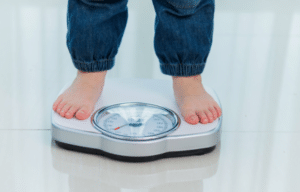
Childhood obesity has become a growing concern around the world.
A child’s weight is affected by many things, including:
- eating habits
- physical activity
- sleep
- family lifestyle
Helping children maintain a healthy weight is not about strict diets.
Children need enough energy to grow, play, and learn.
The goal is to build balanced habits.
Encourage Balanced Meals
A simple plate method can help:
- Half of the plate: colorful vegetables and fruits
- One quarter: healthy protein
- One quarter: whole grains or other healthy carbohydrates
Good protein choices include:
- eggs
- fish
- chicken
- beans
- tofu
- dairy products
Parents can also encourage children to:
- eat regular meals
- drink water instead of sugary drinks
- limit highly processed snacks
- enjoy a variety of foods
Children do not need a perfect diet.
They need a healthy pattern over time.

Owala FreeSip Kids Stainless Steel Water Bottle 16 oz Misty Horizon
Help Kids Move Every Day
Exercise is important for more than weight control.
Physical activity supports:
- stronger muscles and bones
- better mood
- better sleep
- healthier metabolism
School-age children should aim for about 60 minutes of moderate to vigorous physical activity every day.
Activities can include:
- biking
- swimming
- running
- dancing
- playing sports
- outdoor games
The best exercise is often the one children enjoy and want to continue.
2. Protecting Children’s Eyesight
Many children today spend more time looking at screens and less time outdoors.
This lifestyle change has contributed to increasing vision problems among children.
Healthy vision habits should start early.
Encourage Outdoor Time
Outdoor activities are good for children’s eyes and overall health.
Try to encourage:
- outdoor play after school
- weekend activities outside
- family walks
- sports
Many eye health experts recommend children spend regular time outdoors each day.
Teach the 20-20-20 Rule
When children use screens or study for a long time, remind them to take breaks.
The 20-20-20 rule:
Every 20 minutes:
- look at something about 20 feet away
- for at least 20 seconds
This gives the eyes a chance to relax.
Create Healthy Screen Habits
Screens are part of modern life, but balance matters.
Helpful habits include:
- avoiding unnecessary screen time
- taking regular breaks
- keeping a proper viewing distance
- avoiding screens right before bedtime
Also remind children about good reading posture:
- keep books at a comfortable distance
- sit upright
- avoid reading while lying down
3. Supporting Children’s Mental Health
Children’s emotional health is just as important as physical health.
Today’s children may experience stress from:
- school expectations
- friendships
- social media
- changes in family life
Sometimes children cannot explain what they are feeling.
Parents can help by creating a safe emotional environment.
Spend Time Listening
Children do not always need immediate solutions.
Sometimes they simply need someone to listen.
Try creating a daily connection habit:
- talk during meals
- chat before bedtime
- ask about their feelings
Even a few minutes of focused attention can help children feel supported.
Help Children Manage Emotions
Children need to learn that all emotions are normal.
Feeling:
- angry
- sad
- worried
- disappointed
does not mean something is wrong.
Parents can teach children:
- naming emotions
- taking deep breaths
- talking about problems
- finding healthy ways to relax
Encourage children to have hobbies they enjoy.
Creative activities, sports, music, and reading can all support emotional well-being.
Protect Sleep
Sleep plays a major role in children’s health.
Too little sleep can affect:
- attention
- mood
- learning
- behavior
General sleep needs:
- Elementary school children: about 9–12 hours
- Teenagers: about 8–10 hours
A regular bedtime routine can help children sleep better.
4. Protecting Spine Health and Posture
Children spend many hours sitting:
- at school desks
- doing homework
- using electronic devices
Poor posture over time may affect comfort and body alignment.
Parents can help children build healthy posture habits.
Encourage Good Sitting Position
Remind children:
- Keep both feet on the floor
- Keep the back supported
- Avoid bending too close to books
- Take movement breaks
A child’s desk and chair should fit their height.
Choose the Right Backpack
Heavy backpacks can put stress on children’s shoulders and backs.
Helpful tips:
- Use both shoulder straps
- Avoid carrying unnecessary items
- Keep backpack weight reasonable
Encourage Strength and Flexibility
Activities such as:
- swimming
- stretching
- jumping rope
- sports
can help children build stronger muscles and maintain healthy movement.
5. Building Strong Dental Health Habits
Tooth decay is one of the most common childhood health problems.
The good news is that many dental problems can be prevented with simple daily care.
Brush Teeth Correctly
Children should:
- brush twice a day
- brush for about two minutes
- use fluoride toothpaste appropriate for their age
Parents may need to supervise younger children because many young kids cannot brush effectively by themselves.
Watch Sugar Intake
Sugar is one of the biggest risk factors for cavities.
Helpful habits:
- choose water instead of sugary drinks
- reduce frequent snacking
- limit sticky sweets
- encourage healthy snacks
It is not only how much sugar children eat, but also how often their teeth are exposed to sugar.
Visit the Dentist Regularly
Regular dental visits help:
- find problems early
- protect teeth
- build healthy habits
Dentists may recommend:
- fluoride treatments
- dental sealants for children at risk of cavities
A Healthy Child Starts With Small Daily Habits
Parents often wonder:
“What is the most important thing I can do for my child’s health?”
The answer is not one perfect meal, one special activity, or one expensive program.
Health is built through everyday choices.
A child who:
- eats balanced meals
- plays actively
- spends time outdoors
- talks about feelings
- sleeps well
- cares for their teeth
is building a strong foundation for the future.
Children do not need perfect parents.
They need parents who create healthy environments and grow with them.
Small habits today can become lifelong health advantages tomorrow.
FAQ
What are the most important health habits for children?
The most important habits include healthy eating, regular exercise, good sleep, emotional support, eye protection, proper posture, and dental care.
How much exercise should kids get every day?
Most school-age children should aim for about 60 minutes of physical activity daily, including activities that make them move and strengthen their bodies.
How much screen time is healthy for children?
Screen time recommendations depend on age and family situation. Parents should focus on balance, healthy activities, regular breaks, and avoiding screens replacing sleep, exercise, or family connection.
How can parents support children’s mental health?
Parents can support mental health by listening, accepting emotions, spending quality time together, encouraging hobbies, and creating a safe environment for children to talk.
How can parents prevent cavities in kids?
Children can reduce cavity risk by brushing twice daily, using fluoride toothpaste, limiting sugary foods and drinks, and visiting the dentist regularly.