Christmas is a very special time for children and parents. Kids think about lights, songs, food, and most of all, gifts. Parents often wonder what kind of gifts are truly good for their children. A good Christmas gift is not only fun. It should also help children grow in healthy and happy ways.
Christmas gifts are not only about toys. They are also about love, time, and memories. Children may forget what they received, but they will remember how warm and safe they felt. When parents choose gifts with care, Christmas becomes more meaningful for the whole family.
How to Choose the Right Christmas Gift
Every child is different. Some children love to run. Some love to draw. Some love quiet play. The best gifts match your child’s age and personality.
Safety always comes first. Choose toys that match your child’s age. Avoid small parts for young children. Pick safe and non-toxic materials.
It also helps to think about your home space. Very large toys may be exciting at first, but simple gifts are often easier to enjoy every day.

ADUSRIZ 19.7-Inch Big Christmas Balls for Kids
Healthy Christmas Gift Ideas for Kids
As a children’s health expert, I always remind parents that gifts can support health too.
- Outdoor toys like balls, scooters, and jump ropes help kids move and build strong bodies.
- Creative gifts like crayons, craft kits, and clay help children use their hands and express feelings.
- Books are always great gifts. They help with language, thinking, and calm time.
- Comfort gifts like soft blankets, stuffed animals, and night lights can help kids sleep better and feel safe.
- Music toys and movement games help with rhythm, balance, and joy.
Learning Gifts That Build Strong Minds
- Learning gifts do not need to feel like school.
- Building toys help children plan and solve problems.
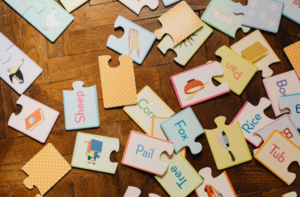
- Puzzles improve memory and focus.
- Board games teach children how to take turns and follow rules.
- Science kits let kids enjoy simple experiments and discovery.
- Word games and reading cards help grow language skills.

COO&KOO Girls Charm Bracelet Making Kit
Emotional Gifts That Support Mental Health
- Some gifts help children understand their feelings.
- Emotion cards and storybooks help children talk about feelings.
- Journals and drawing books give children a safe place to express thoughts.
- Stress balls and calm-down bottles help children relax when emotions feel big.
- Family games and shared activities help children feel close and safe.
Christmas Gifts for Babies and Toddlers
- For babies and toddlers, safety is the most important rule.
- Soft blocks, bath toys, board books, and musical toys work well.
- Push toys help toddlers practice walking.
- Warm clothing, pajamas, and socks are also useful gifts.
- Photo books and name blankets become sweet family memories.
Christmas Gifts for Preschoolers
- Preschoolers love pretend play.
- Play kitchens, tool sets, and doctor kits are great for imagination.
- Art sets help them create and explore.
- Simple puzzles and learning games help with shapes and numbers.
- Bikes with helmets help children grow strong and confident.
Christmas Gifts for School-Age Kids
- School-age kids start showing strong interests.
- Sports gifts help them stay active.
- Book series help grow reading habits.
- Craft kits build patience and focus.
- STEM toys help them enjoy science and math.
- Music lessons or sports classes are also meaningful gifts.
Christmas Gifts for Teens
- Teens enjoy gifts that respect their growing independence.
- Journals, headphones, art tools, and fitness gear are good choices.
- Experience gifts like classes, trips, and camps create strong memories.
- Comfort gifts like soft blankets and stress-relief tools support mental health.
Budget-Friendly Christmas Gift Ideas
- Homemade gifts are full of love.
- Drawing books, craft gifts, and photo albums cost little.
- Coupon books for family time are powerful.
- Used books in good condition are great gifts.
- Homemade cookies and baking gifts also bring warm joy.
Common Christmas Gift Mistakes to Avoid
- Very loud toys may cause stress.
- Screen-based toys may increase screen time too much.
- Buying gifts only because they are popular may not match your child.
- Avoid using gifts as rewards for behavior.
- Avoid comparing your child’s gifts with others.