A common question comes up when parents give vitamin D to children: Should vitamin D be taken with food?
The short answer is yes, taking vitamin D with a meal or snack is a good practical choice, especially when that food contains some fat. Vitamin D is a fat-soluble vitamin, which means the body handles it differently from water-soluble vitamins such as vitamin C. The National Institutes of Health notes that vitamin D is best absorbed when taken with a meal or snack that contains some fat.
But there is an important detail here. A child does not need to eat a high-fat meal every time vitamin D is given. Vitamin D can still be absorbed without much fat, and some vitamin D products are already made in an oily form. So there is no need to turn a simple vitamin supplement into another complicated part of the day.
Why Does Food Matter for Vitamin D?
Vitamin D is called a fat-soluble vitamin because it dissolves in fat rather than water. This is one reason food can affect how well the body absorbs it.
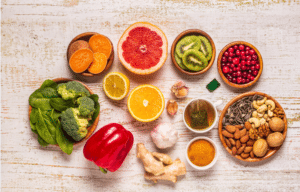
Think about a typical child's meal. Eggs, yogurt, cheese, avocado, peanut butter, salmon, or a little cooking oil can all provide dietary fat. A meal does not have to look “rich” or greasy to contain enough fat to make taking vitamin D with food practical.
Research supports the idea that dietary fat can improve vitamin D absorption, although the exact effect varies between studies and products. One randomized study found that vitamin D3 produced a higher blood level when taken with a meal containing fat than with a fat-free meal. Other research has found that meal conditions can change the initial absorption of vitamin D without necessarily producing a large difference in longer-term vitamin D blood levels.
That distinction is easy to miss. Better absorption of one dose does not automatically mean a child will have a major difference in vitamin D status months later.
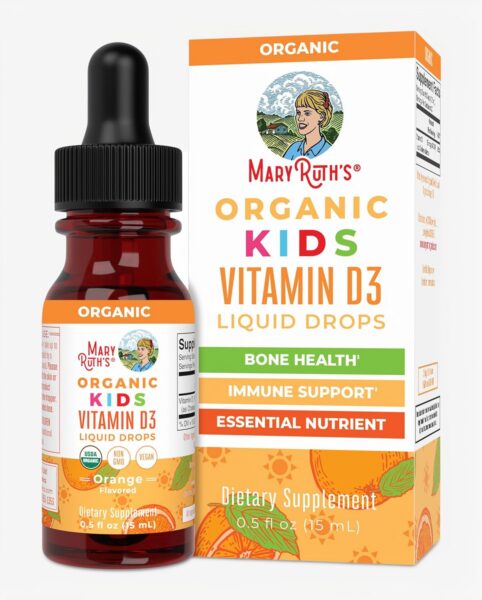
MARYRUTH'S USDA Organic Vitamin D3 Liquid Drops for Kids
Does Vitamin D Have to Be Taken With Fat?
No. This is probably the most important point for parents.
Vitamin D does not suddenly stop working when a child takes it without fat. A systematic review of vitamin D absorption found that vitamin D can be absorbed without dietary fat, although some evidence suggests that fat-containing meals can improve absorption.
So if a child takes vitamin D before breakfast one morning, there is no need to panic. It does not mean the dose was “wasted.”
For everyday use, though, giving vitamin D with a meal or snack is a simple way to support absorption and make the supplement easier to remember.
In other words, “with food” is a useful habit, not a strict rule that parents need to worry about every single day.
What Kind of Food Is Best With Vitamin D?
There is no special “vitamin D meal” that children need.
A normal balanced meal is enough. Foods that contain some fat can be especially convenient because vitamin D is fat-soluble.
For example, vitamin D can be taken with:
- Eggs and toast
- Yogurt
- Cheese and crackers
- Avocado toast
- Oatmeal with milk
- Peanut or nut butter, when safe for the child
- Salmon or other fatty fish
- A regular family meal
- Fortified milk or a fortified plant-based drink
The goal is not to add extra fat to a child's diet just for the vitamin. Children still need a balanced eating pattern with vegetables, fruits, whole grains, protein foods, and healthy fats.
There is also no need to give vitamin D with the fattiest meal of the day. A normal breakfast or lunch can be perfectly reasonable.
Can Kids Take Vitamin D on an Empty Stomach?
Yes.
A child can absorb vitamin D without eating a meal first. The concern is not that vitamin D becomes useless on an empty stomach. Rather, taking it with food, particularly food containing some fat, may improve absorption.
This is why a breakfast routine can be convenient. If a child takes vitamin D after eating eggs and toast, for example, the supplement is being taken with a meal that contains some dietary fat.
But if the child takes vitamin D before breakfast one morning, there is no need to give another dose later. Giving extra vitamin D because of one empty-stomach dose is unnecessary and could lead to excessive intake.
The bigger goal is consistency.
Does More Fat Mean More Vitamin D Absorption?
Not necessarily.
This is another place where health advice can easily become exaggerated. Vitamin D is fat-soluble, but that does not mean a child needs a very high-fat meal to absorb it well.
Some studies have found better absorption with fat-containing meals. However, research does not show that simply adding more and more fat makes vitamin D absorption keep increasing in a straight line. In one study, differences in the type of dietary fat did not significantly change vitamin D absorption.
So there is no reason to give a child fried food, heavy cream, or a large fatty meal just because vitamin D is being taken.
A normal meal is enough.
What If the Vitamin D Supplement Is Already Oil-Based?
This is worth checking on the label.
Many liquid vitamin D products for babies and young children are carried in an oil-based solution. If vitamin D is already dissolved in oil, the effect of taking it with a meal may not be the same as taking a dry tablet or capsule.
Research has found that some oily vitamin D preparations can be absorbed well even when taken without food. One randomized crossover study found no significant difference in vitamin D blood levels between fasting and fed conditions when vitamin D3 was given in an oily solution.
That does not mean every vitamin D product works exactly the same way. Different formulations can behave differently.
This is one reason parents should avoid assuming that every vitamin D supplement needs to be handled in exactly the same way. The product label and advice from a pediatrician or pharmacist should come first.
Is Breakfast the Best Time to Give Vitamin D?
Breakfast can be a very good choice, but it is not medically required.
Parents often want to know whether vitamin D should be given in the morning, afternoon, or evening. For most children, the best time is the one that fits naturally into the family's routine.
Breakfast has one major advantage: it is easy to remember.
A child can take vitamin D with breakfast, and the supplement becomes part of the same routine every day. There is also no need to worry about whether giving it immediately before bedtime might make the parent wonder about sleep.
Dinner can also work. Lunch can work. The important thing is that the child receives the appropriate amount consistently.
There is no special hour of the day when vitamin D suddenly becomes more powerful.
What If a Child Takes Vitamin D at Night?
Taking vitamin D at night is generally not a problem for most children.
There is not strong evidence that taking a normal vitamin D supplement in the evening causes most children to have insomnia. If a child sleeps normally after taking vitamin D with dinner, there is usually no reason to change the routine simply because it is nighttime.
However, some parents may notice a repeated pattern in which their child seems to settle less easily after taking a supplement at bedtime. In that situation, moving vitamin D to breakfast or lunch is a simple option.
The important thing is not to assume that every sleep problem is caused by vitamin D. Children's sleep changes for many reasons, including late naps, screen time, stress, illness, changes in routine, and an overly busy evening.
Can Vitamin D Be Given With Milk?
Yes, vitamin D can be taken with milk.
In fact, fortified milk is one dietary source of vitamin D, and many children get vitamin D from fortified foods. The American Academy of Pediatrics notes that fortified milk and other foods can contribute to children's vitamin D intake.
If a child takes a vitamin D supplement with breakfast and drinks milk at the same time, that is generally a convenient routine.
The same idea applies to fortified plant-based drinks, although parents should check the nutrition label because vitamin D levels vary between products.
One thing to remember is that a child's total vitamin D intake comes from food, supplements, and other sources. It is not always necessary to add a supplement on top of everything without considering what the child is already getting.
How Much Vitamin D Do Children Need?
The amount a child needs depends on age and individual health factors.
The American Academy of Pediatrics recommends 400 IU (10 mcg) of vitamin D daily for infants younger than 1 year and 600 IU (15 mcg) daily for children older than 1 year.
These are general recommendations for healthy children. They do not mean every child should automatically take the same supplement dose.
Some children may have higher needs because of medical conditions, certain medications, limited dietary intake, or other risk factors. In those cases, a pediatrician may recommend a different amount.
More vitamin D is not automatically better. Large amounts taken over time can cause vitamin D toxicity and lead to problems such as high calcium levels, nausea, weakness, and kidney problems. The AAP specifically warns that megadoses of vitamins, including vitamin D, can be harmful.
What If a Child Misses a Dose?
An occasional missed dose is usually not a reason to panic.
Parents sometimes feel they need to “make up” for a missed vitamin by giving several doses together. That is not a good routine unless a healthcare professional has specifically provided instructions for doing so.
For routine supplementation, simply following the product directions is usually the safest approach. If a child is taking a special high-dose vitamin D treatment for a diagnosed deficiency, the instructions may be different.
A missed dose also does not mean the child suddenly becomes vitamin D deficient overnight. Vitamin D is stored in the body, so one forgotten dose is very different from consistently not getting enough.
Does Vitamin D Need to Be Taken With the Biggest Meal?
Not necessarily.
Some research in adults has suggested that taking vitamin D with the largest meal can increase vitamin D blood levels. However, this does not mean children need to wait for their biggest meal every day.
A smaller meal containing some fat may be perfectly practical.
For families, a simple routine is often better than chasing the “perfect” meal. If breakfast is easy to remember, breakfast is a good choice. If dinner works better, dinner is fine.
The best supplement routine is one that can actually be followed.
Should Vitamin D Be Taken With a High-Fat Meal?
No.
There is no reason to give children a high-fat meal just to improve vitamin D absorption.
Healthy fats are part of a balanced diet, but children do not need extra butter, fried food, cream, or other high-fat foods simply because they are taking vitamin D.
Foods such as eggs, dairy products, fish, avocado, nuts or nut butters when age-appropriate and allergy-safe, and plant oils can provide dietary fat as part of normal meals.
The goal is normal nutrition, not maximum fat intake.
What Is the Easiest Way to Give Vitamin D to Kids?
For many families, the simplest routine is:
Choose one meal → give the recommended vitamin D dose → repeat regularly.
That could be breakfast every morning. It could be lunch. It could be dinner.
If the supplement is liquid, use the measuring device that comes with the product rather than estimating the amount with a kitchen spoon.
For babies and young children, parents should also keep vitamin supplements out of reach. A bottle that looks small and harmless can contain a large amount of vitamin D.
And if a child takes a multivitamin, check the label before adding another vitamin D product. Taking multiple supplements can accidentally push total intake higher than intended.
FAQ
Should children take vitamin D with food?
Yes. Taking vitamin D with a meal or snack is a good option because vitamin D is fat-soluble. A meal containing some dietary fat may help absorption.
Can kids take vitamin D on an empty stomach?
Yes. Vitamin D can still be absorbed without food. However, taking it with a meal, especially one containing some fat, may improve absorption.
What foods should kids eat with vitamin D?
There is no special food required. Eggs, yogurt, cheese, milk, avocado, fish, nut butter when safe, and regular family meals can all provide some dietary fat.
Does vitamin D need to be taken with fat?
Not strictly. Vitamin D can be absorbed without fat, but research suggests that fat-containing meals can improve absorption in some situations.
Should vitamin D be taken with milk?
Yes. Vitamin D can be taken with milk. Fortified milk can also provide vitamin D as part of a child's diet.