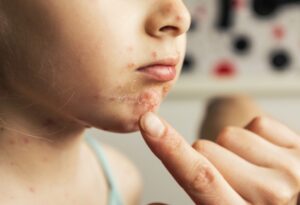
A child comes in from playing outside, sweaty and red-faced, and then small bumps start showing up around the neck, back, chest, or under the arms. The child may complain that the skin feels itchy, hot, or “prickly.” For parents, the first thought is often, “What should be put on it?”
In most cases, the answer is surprisingly simple: cool the skin and stop the sweating that is irritating it.
Heat rash, also called prickly heat or miliaria, is common in hot and humid weather. It happens when sweat gets trapped under the skin because sweat ducts become blocked or irritated. The rash is usually uncomfortable rather than dangerous, and mild cases often clear within a few days once the skin gets a chance to cool down.
The tricky part is that not every rash that appears during hot weather is actually heat rash. A rash with fever, pus, spreading redness, significant pain, or a child who looks sick needs a different level of attention. So the goal is not simply to make the bumps disappear. It is to recognize what the skin is telling you and avoid making things worse.
What Does Heat Rash Look Like in Kids?
Heat rash usually appears as lots of tiny raised bumps. They may be red, pink, white, or harder to see on darker skin. Some forms can look like tiny clear blisters. Children may describe the feeling as itchy, prickly, burning, or simply uncomfortable.
The rash often appears in places where children sweat a lot or where clothing holds in heat. Common areas include the:
- Neck
- Upper chest
- Back
- Armpits
- Elbow creases
- Groin
- Areas under tight clothing
- Skin folds
Babies can be especially prone to heat rash because their sweat ducts are still developing and they do not control body temperature as well as older children.
One useful clue is timing. If a child has been sweating heavily during a hot day and develops lots of small itchy bumps soon afterward, heat rash is a reasonable possibility. Still, appearance alone cannot always tell the whole story.
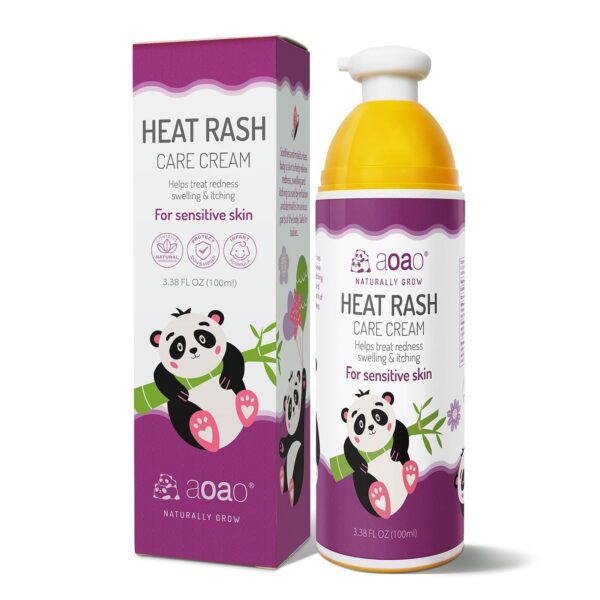
Heat Rash Cream for Babies, Prevents Prickly Heat, Clears Sweat Rashes, Relieves Eczema
Why Do Kids Get Heat Rash?
The basic problem is trapped sweat.
Normally, sweat travels through tiny ducts to the surface of the skin and then evaporates. When the ducts become blocked or irritated, sweat can become trapped beneath the skin. That trapped sweat irritates the surrounding tissue and produces the familiar little bumps.
That explains why heat rash often shows up after a very hot day, during a humid summer, after exercise, or when a child wears too many layers. A child who spends hours running around outside and then stays in damp clothes has a much better chance of developing it than a child who stays cool and dry.
There is another situation worth remembering: fever can also make heat rash more likely. When a child has a fever, the body may sweat more, and spending a lot of time under heavy blankets can trap even more heat against the skin.
The Best First Step: Cool the Skin
When parents see a rash, there is a natural urge to reach for a cream. With heat rash, that may not be the best first move.
The skin needs cooling more than it needs a complicated treatment routine.
Move the child to a cooler room. Turn on air conditioning if available, or use a fan to improve air movement. Remove extra layers and let the skin breathe. If the child has been playing outside, allow some quiet time indoors rather than sending them straight back into the heat.
A cool bath or shower can also feel very good. The water does not need to be icy. In fact, extremely cold water is unnecessary and can be uncomfortable. A comfortably cool bath is enough to help bring the skin temperature down.
After bathing, gently pat the skin dry rather than rubbing it hard. If possible, allow the skin to air-dry for a short time.
Dress the Child in Light, Loose Clothing
Clothing makes a bigger difference than many parents realize.
Tight shirts, synthetic fabrics, thick pajamas, and several layers can trap heat and sweat against the skin. That creates exactly the environment in which heat rash likes to stick around.
Choose loose, lightweight clothing instead. Breathable fabrics such as lightweight cotton can be comfortable during hot weather. For babies, avoid wrapping them in too many layers, especially when the room is already warm.
Bedding matters, too. A child does not need a thick blanket just because it is nighttime. If the room is hot, lighter bedding can help prevent sweating while the child sleeps.
This is one of those simple changes that can make a surprisingly big difference.
Keep the Skin Dry, But Don't Scrub It
Sweat is part of the problem, but aggressive cleaning is not the answer.
A child with heat rash does not need repeated washing throughout the day. Frequent scrubbing can further irritate already sensitive skin. A gentle bath or shower is usually enough.
Afterward, pat the skin dry carefully, especially around skin folds. Pay attention to the neck, armpits, groin, and other areas where moisture can collect.
Avoid rough washcloths, strong soaps, heavily scented body washes, and products that sting. The goal is to make the skin feel calmer, not “extra clean.”
Use a Cool Cloth for Itching
If the rash is itchy or prickly, a cool damp cloth can provide simple relief.
Place the cool cloth gently against the affected skin for several minutes. An ice pack can also be used, but it should always be wrapped in a cloth rather than placed directly on the child's skin. The NHS recommends using something cold for up to about 20 minutes at a time.
Try to keep children from scratching. This is easier said than done, especially at night, but scratching can further damage the skin and increase the chance of infection.
For younger children, keeping fingernails short can help reduce skin damage if they do scratch.
Be Careful With Creams and Ointments
More cream does not always mean faster healing.
Some thick, greasy products can trap sweat and make blocked sweat ducts worse. Mayo Clinic advises avoiding oily or greasy products that may further block pores during heat rash.
This is particularly important when a child already has a lot of small bumps. Covering the area with a heavy layer of ointment may feel like treating the rash, but it can actually keep heat and moisture against the skin.
For the same reason, avoid putting random adult skin products on a child's rash just because they worked for someone else.
If the itching is strong, a pharmacist or healthcare professional can help decide whether something such as calamine lotion or another treatment is appropriate. Medication should be chosen with the child's age and symptoms in mind. For example, the NHS specifically advises getting medical advice before using hydrocortisone cream in younger children.
What About Baby Powder?
Baby powder is often associated with keeping babies dry, but it is not a necessary treatment for heat rash.
The bigger goal is reducing heat and sweating. Loose clothing, a cool environment, gentle bathing, and keeping the skin comfortable are usually more useful.
There is also little reason to cover a heat rash with layers of powder or other products. The skin needs airflow.
Should Kids Stay Indoors With Heat Rash?
Usually, a child does not need to stay in bed simply because of heat rash.
But if outdoor activity makes the child sweat heavily, it makes sense to take a break until the rash settles. A child who is already covered in prickly bumps may feel much better after spending some time in a cool, shaded, or air-conditioned place.
Once the skin is comfortable again, normal activity can usually return gradually.
For children who love summer sports, swimming, running, and outdoor play, prevention is much easier than trying to deal with repeated heat rash. Plan outdoor activities during cooler parts of the day when possible, offer regular water breaks, and give children time to cool down.
Can You Prevent Heat Rash in Kids?
Absolutely. And prevention is often easier than treatment.
The main idea is simple: keep children cool, reduce heavy sweating, and allow sweat to evaporate.
Helpful habits include:
- Dress children in loose, lightweight clothing.
- Avoid unnecessary layers in hot weather.
- Keep bedrooms cool and well ventilated.
- Use air conditioning or a fan when needed.
- Take breaks from intense activity on very hot days.
- Give children regular opportunities to cool down.
- Change out of very sweaty clothing.
- Avoid thick, greasy products on areas prone to heat rash.
- Keep skin folds clean and dry.
- Encourage children to drink enough fluids during hot weather.
Mayo Clinic and the NHS both emphasize cooling the skin, reducing sweating, using lightweight clothing, and keeping the sleeping environment cool.
When Should a Child See a Doctor?
Most mild heat rash does not require a doctor's visit. It should start improving after the child is cooled down and the source of sweating is reduced.
However, parents should not assume every summer rash is heat rash.
Contact a healthcare professional if:
- The rash is getting worse instead of better.
- It does not improve after several days.
- The bumps become painful.
- There is pus or significant drainage.
- The skin becomes increasingly swollen or warm.
- The child develops a fever.
- The rash spreads quickly.
- The child seems unusually tired or unwell.
- The rash is difficult to identify.
Heat rash can sometimes become infected, and other childhood skin conditions can look similar.
A baby with a new rash also deserves extra attention, especially if the baby is very young or the parent is unsure what the rash is. The NHS advises seeking medical advice when parents are worried about a baby's rash.
Heat Rash or Something More Serious?
This is an important distinction.
Heat rash usually consists of small bumps and an itchy or prickly feeling after heat and sweating. The child otherwise tends to feel reasonably well.
A rash that comes with breathing problems, severe weakness, confusion, a stiff neck, repeated vomiting, blue or gray lips, or other serious symptoms is not something to simply treat at home as heat rash. A child who is very difficult to wake or who is not acting normally needs urgent medical attention.
Also pay attention to a rash that does not fade when pressed, especially when it appears with fever or a child who looks seriously ill. That needs urgent medical assessment.
The safest approach is to look at the whole child, not just the rash.
Does Heat Rash Leave Scars?
Most mild cases heal without scarring once the skin is cooled and the sweating stops.
Children with darker skin may sometimes notice lighter or darker spots after an inflammatory skin condition. These color changes can take weeks or months to fade, even after the original rash has disappeared.
That is another reason not to scratch, squeeze, or aggressively scrub the bumps. A rash that would have settled quietly can become much more irritated when the skin is repeatedly picked or rubbed.
A Simple Home Routine for Kids With Heat Rash
For most mild cases, the routine can stay very simple.
Morning: Keep the child cool and dress them in loose, lightweight clothing. If the rash is uncomfortable, a cool bath or shower can help.
During the day: Reduce activities that cause heavy sweating. Keep the room cool, offer fluids, and use a cool damp cloth when the skin feels itchy or prickly.
After sweating: Change damp clothing and gently dry the skin. Pay special attention to skin folds.
At bedtime: Keep the bedroom comfortably cool and use lightweight bedding. Avoid covering the rash with thick creams or greasy ointments unless a healthcare professional has recommended them.
There is no need to turn heat rash into a complicated skin-care project. In many cases, less is actually better.
Frequently Asked Questions
How long does heat rash last in kids?
Mild heat rash often improves within a few days once the skin is cooled and the child stops sweating heavily. If the rash continues for several days, becomes worse, or keeps coming back, a healthcare professional should check it.
What is the fastest way to get rid of heat rash in children?
The most useful first step is to cool the skin and reduce sweating. Move the child to a cooler environment, remove extra clothing, use a cool bath or damp cloth, and keep the skin dry and comfortable.
Can a child with heat rash take a bath?
Yes. A cool or comfortably lukewarm bath can soothe heat rash. Avoid very hot water and strongly scented soaps or bath products, which may irritate the skin.
Should heat rash be covered with cream?
Not usually. Heavy or greasy creams and ointments may block sweat ducts further. For mild heat rash, cooling the skin is usually more important than applying a thick product.
Is heat rash contagious?
No. Heat rash is caused by trapped sweat and irritated sweat ducts. It does not spread from one child to another like an infection.