A child suddenly needing to pee again and again can make any parent stop and wonder, “Is this normal?” Sometimes it is. Children may urinate more after drinking lots of fluids, spending time in hot weather, or having certain drinks. But frequent urination can also be a sign of a urinary tract infection, constipation, bladder problems, or, less commonly, diabetes.
The tricky part is that “peeing a lot” does not always mean the same thing. Some children go to the bathroom many times but pass only a small amount of urine. Others are making a large amount of urine each time and may also be extremely thirsty. Those two situations can point to very different causes.
So instead of counting every bathroom trip, it helps to look at the whole picture: How much urine is coming out? Is it painful? Is the child drinking much more than usual? Are there accidents after being toilet trained? Is there a fever, weight loss, constipation, or unusual tiredness? These details can tell a much more useful story.
How Often Should a Child Pee?
There is no single “perfect” number for every child. Younger children have smaller bladders, and their bathroom habits can change with how much they drink, the weather, activity, and their stage of development.
In general, a school-age child may urinate around four to seven times during the day. NIDDK considers urinating eight or more times a day to be urinary frequency, although the meaning depends on the child and the situation. A child who drinks a large bottle of water and then needs the bathroom several times is very different from a child who suddenly starts going every 10 or 15 minutes without drinking much.
That is why frequency by itself is not a diagnosis. A temporary change may be harmless. A sudden or persistent change deserves more attention, especially when other symptoms appear.
First, Look at How Much Your Child Is Peeing
This simple detail is surprisingly helpful.
If a child keeps saying they need to pee but produces only a few drops or a small amount, the bladder may be irritated. A urinary tract infection is one possibility. An overactive bladder or other bladder-control problem can also cause frequent urges. Constipation can play a role, too, because a full bowel can put pressure on the bladder and interfere with normal bladder function.
On the other hand, if the child is passing large amounts of urine each time and constantly asking for water, that is a different pattern. Excessive thirst and frequent urination together are important symptoms of type 1 diabetes in children. Other warning signs can include tiredness, increased hunger, weight loss, or new bedwetting.
That distinction is worth paying attention to. “Going to the bathroom a lot” sounds like one problem, but the reason behind it may be completely different.
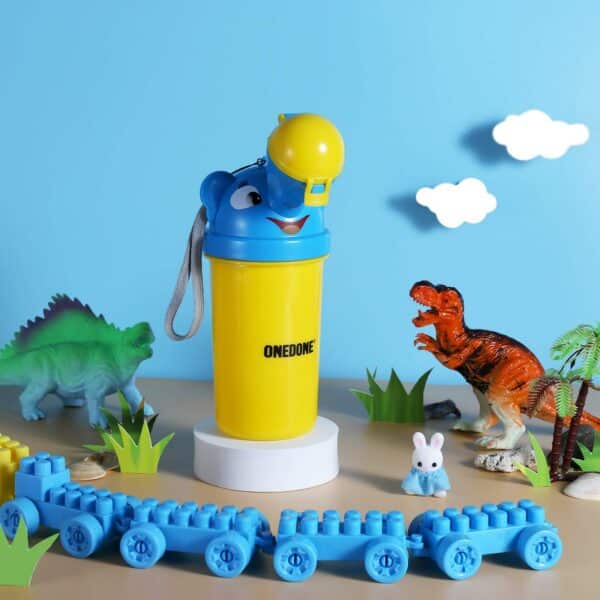
ONEDONE Portable Baby Child Potty Urinal Emergency Toilet for Camping Car Travel and Kid Potty Pee Training (boy)
Could It Be a Urinary Tract Infection?
A UTI is one of the more common medical reasons for a child to suddenly urinate more often.
Older children may complain that it burns or hurts when they pee. They may suddenly need to go urgently, even though very little urine comes out. Some children develop lower belly pain, cloudy or strong-smelling urine, blood in the urine, fever, or new daytime accidents after being toilet trained.
Younger children can be harder to read. A child under age 2 may not be able to explain that urinating hurts. Fever, fussiness, poor feeding, vomiting, or simply seeming unwell may be the only clues. In young children, a urine test is often needed to confirm whether a UTI is present.
A suspected UTI should not simply be ignored and hoped away. A bladder infection can sometimes spread to the kidneys, so children with symptoms should be evaluated by a healthcare professional.
Constipation Can Affect the Bladder Too
This is one of those connections that surprises many parents.
A child can have constipation without complaining much about their poop. But when stool builds up in the bowel, it can press on the bladder and affect how it stores and empties urine. Some children then develop urgency, frequent urination, daytime accidents, or other bladder symptoms.
Take a look at bathroom habits as a whole. Is the child having hard stools? Going several days without a bowel movement? Straining? Avoiding the toilet? Complaining of belly pain? These clues matter.
It is also worth discouraging children from holding their urine for long periods. Regular bathroom habits and treating constipation when it is present can improve some bladder problems.
Could Drinking Habits Be the Reason?
Sometimes the explanation is much simpler.
A child who has been running around outside on a hot day may drink more water and naturally pee more. The same can happen after drinking a large amount of fluid at once.
Certain drinks can also affect bathroom habits. Drinks containing caffeine, for example, can increase urination and may irritate the bladder in some children. Cola, tea, coffee drinks, energy drinks, and chocolate-containing products may be worth noticing if a child suddenly develops urinary urgency.
A useful approach is to pay attention for a few days rather than immediately assuming something is wrong. Notice what the child drinks, roughly when they drink it, and when they need to pee. Patterns often become much easier to see.
Frequent Peeing and Diabetes: What Parents Should Know
This is the cause parents often worry about, and it deserves a clear explanation.
Frequent urination can be an early sign of type 1 diabetes. When blood sugar becomes too high, the kidneys remove some of that extra sugar through urine. This pulls more water into the urine, so the child may pee more and become very thirsty. A child may also seem unusually tired, hungry, or lose weight even while eating normally or more than usual. New bedwetting in a child who had previously stayed dry can also be a clue.
The combination is more important than any one symptom. Frequent urination + unusual thirst + weight loss or tiredness should not be brushed off as simply “drinking too much water.”
Type 1 diabetes can develop fairly quickly in children. If frequent urination and strong thirst appear together, especially with weight loss, vomiting, belly pain, or marked tiredness, the child should be checked promptly.
What About a Child Who Pees Every Few Minutes?
There is another pattern that can be confusing.
Some otherwise healthy children suddenly start going to the bathroom extremely often during the day. They may go every 10 to 20 minutes, but only a tiny amount comes out. They may not have pain, fever, excessive thirst, or nighttime urination.
Sometimes this is called daytime urinary frequency, and in some children it can be a temporary bladder habit. Stress and changes in routine may sometimes be involved. However, it is still sensible to have persistent or unusual urinary frequency checked rather than assuming it is behavioral.
The key point is that frequent daytime trips do not automatically mean diabetes. If the child is drinking normally, passing only small amounts, and otherwise feels well, the pattern is different from a child producing large amounts of urine along with intense thirst.
When Should Parents Call the Doctor?
A child does not need to be rushed to the doctor simply because they used the bathroom several extra times one day.
But a medical check is a good idea when frequent urination is new, persistent, or accompanied by other symptoms.
Contact a healthcare professional if the child has:
- Pain or burning when peeing
- Fever without a clear cause
- Blood in the urine
- Cloudy, very strong-smelling urine
- Lower belly, side, or back pain
- Frequent urgent trips with only small amounts of urine
- New daytime or nighttime wetting after being toilet trained
- Frequent urination that continues without an obvious reason
- Strong thirst that is unusual for the child
- Weight loss without trying
- Unusual tiredness or weakness
- Vomiting or repeated belly pain
The American Academy of Pediatrics also advises parents to contact a pediatrician when a child is urinating with unusual frequency, has pain with urination, or develops wetting after previously being dry.
When Is Frequent Urination an Emergency?
Some combinations of symptoms need faster attention.
If frequent urination is accompanied by extreme thirst, weight loss, vomiting, severe tiredness, belly pain, confusion, or rapid or difficult breathing, the child needs urgent medical evaluation. These can be warning signs of severely uncontrolled type 1 diabetes and diabetic ketoacidosis, a serious complication.
A child with frequent or painful urination plus high fever, chills, vomiting, or pain in the back or side may have a kidney infection. Kidney infections need prompt treatment because they can become serious.
When a child looks seriously ill, unusually sleepy, confused, weak, or difficult to wake, the number of bathroom trips is no longer the main issue. The child's overall condition matters most, and urgent medical care is appropriate.
What Can Parents Do at Home?
Before the appointment, a little information can make the doctor's job much easier.
For a day or two, if the child is otherwise well, keep track of:
- How often the child pees
- Whether each trip produces a small or large amount
- How much the child drinks
- Whether the child is unusually thirsty
- Any pain or burning
- Urine color, smell, or blood
- Fever
- Bowel movements and constipation
- Daytime or nighttime accidents
- Changes in appetite, energy, or weight
There is no need to turn the bathroom into a science experiment. A simple note on a phone is enough.
Also, do not severely restrict water just to reduce bathroom trips. Children need enough fluids, especially during hot weather or illness. The goal is to understand why the child is peeing so much, not simply to make the symptom disappear.
What Will the Doctor Check?
The evaluation depends on the symptoms.
If a UTI is suspected, the doctor may test a urine sample for signs of infection and may order a urine culture. This is important because symptoms alone cannot always tell whether bacteria are actually causing the problem.
If diabetes is a concern, the doctor may check the child's blood glucose and other tests. If constipation or bladder-control problems seem more likely, the doctor may ask about bowel habits, bathroom routines, accidents, and how the child urinates.
In other words, frequent urination is a symptom, not a diagnosis. Good evaluation starts with the details around it.
A Simple Way to Think About It
When a child starts peeing much more than usual, four questions are especially useful:
1. Is the child drinking much more?
Hot weather, exercise, and increased fluid intake can naturally lead to more bathroom trips.
2. Is the child peeing a little or a lot?
Tiny amounts with urgency may suggest bladder irritation or a UTI. Large amounts together with strong thirst deserve attention for possible diabetes.
3. Does it hurt?
Pain, burning, fever, unusual urine, or belly pain can point toward a urinary infection.
4. Is anything else changing?
Weight loss, tiredness, new bedwetting, vomiting, constipation, or a child who simply seems unwell can change the picture.
This is much more useful than focusing on a single number.
FAQ
Is it normal for a child to pee a lot?
Sometimes. Children may urinate more after drinking more fluids, during hot weather, or because of normal differences in bladder size and development. Persistent or sudden frequent urination should be discussed with a healthcare professional, especially when other symptoms are present.
How often should a child pee each day?
There is no exact number that is right for every child. NIDDK describes urinating eight or more times during the day as urinary frequency, but the child's age, fluid intake, and other symptoms all matter.
Why is my child peeing every 10 minutes?
If only a small amount comes out each time, possible causes include bladder irritation, a UTI, constipation, or a temporary daytime urinary frequency problem. If it continues, a pediatric evaluation is a good idea.
Is frequent urination a sign of diabetes in children?
It can be. Frequent urination is especially concerning when it occurs with unusual thirst, weight loss, tiredness, increased hunger, or new bedwetting.
Can constipation cause frequent urination in kids?
Yes. Constipation can affect bladder function and contribute to urgency, frequent urination, and daytime accidents. Treating constipation may improve these urinary symptoms in some children.