Introduction
The start of a new school year is exciting. Kids get new clothes, new backpacks, and fresh school supplies. But there is one thing that is even more important than shopping—making sure your child is healthy and ready to learn.
A healthy child is more likely to enjoy school, pay attention in class, and miss fewer school days because of illness. Taking a little time before school starts can help prevent many common health problems later in the year.
This checklist covers 15 simple health checks that every parent should do before the first day of school. You don't have to finish everything in one day. Start a few weeks before school begins so you have plenty of time to schedule appointments and build healthy habits.
1. Schedule a Well-Child Checkup
A yearly checkup is one of the best ways to make sure your child is growing and developing as expected.
During the visit, your child's healthcare provider may:
- Measure height and weight
- Check blood pressure
- Review growth and development
- Discuss nutrition and exercise
- Answer questions about sleep, behavior, or learning
- Screen for health concerns
Even if your child seems healthy, regular checkups can find problems early before they become serious.
Tip
Try to book appointments several weeks before school starts. Pediatric clinics often become very busy during the back-to-school season.
Back to School Supply Box Grades K-5 - School Supply Boxes
2. Make Sure Vaccinations Are Up to Date
Many schools require children to receive certain vaccines before attending classes. Vaccines help protect not only your child but also classmates and teachers.
Common school-age vaccines may include:
- DTaP or Tdap
- Polio (IPV)
- MMR (Measles, Mumps, Rubella)
- Chickenpox (Varicella)
- Hepatitis B
- Meningococcal vaccine (older children)
- HPV vaccine (recommended for preteens and teens)
- Yearly flu vaccine
If you're not sure which vaccines your child needs, ask your healthcare provider or check your state's school requirements.
Tip
Keep a copy of your child's vaccination record in a safe place. Many schools ask for updated records each year.
3. Check Your Child's Vision
Good vision is important for reading, writing, using computers, and seeing the classroom board.
Many children don't realize they have trouble seeing because they think everyone sees the same way.
Watch for signs like:
- Squinting
- Sitting very close to screens
- Holding books close to the face
- Frequent headaches
- Complaining about blurry vision
- Losing their place while reading
If your child wears glasses, make sure the prescription is still correct and the glasses fit comfortably.
Tip
Consider scheduling a professional eye exam if your child hasn't had one recently or if you notice any changes in vision.
4. Don't Forget Hearing Health
Good hearing is just as important as good vision. Children who cannot hear clearly may have trouble following instructions or participating in class discussions.
Signs of hearing problems include:
- Frequently asking people to repeat themselves
- Turning the TV volume up very high
- Speaking louder than usual
- Not responding when called
- Trouble following directions
Sometimes hearing problems happen after repeated ear infections or a buildup of earwax.
Tip
If you notice changes in your child's hearing, schedule a hearing evaluation before school begins.
5. Visit the Dentist
Healthy teeth help children eat comfortably, speak clearly, and smile with confidence.
A dental visit before school starts can:
- Find cavities early
- Remove plaque and tartar
- Check gum health
- Review brushing and flossing habits
- Identify orthodontic concerns
Children involved in sports may also need a custom mouthguard to protect their teeth during games.
Build Good Daily Habits
Encourage your child to:
- Brush twice a day with fluoride toothpaste.
- Floss once a day.
- Drink more water instead of sugary drinks.
- Limit sticky candies and sugary snacks.
Healthy teeth can help prevent painful dental emergencies during the school year.
6. Reset Sleep Routines Before School Starts
Summer often means later bedtimes and sleeping in. Unfortunately, switching back to an early school schedule overnight is difficult for many children.
Instead of waiting until the night before school starts, begin adjusting your child's bedtime about two weeks in advance.
Recommended Sleep Time
| Age | Recommended Sleep |
|---|---|
| 6–12 years | 9–12 hours |
| 13–18 years | 8–10 hours |
Healthy Sleep Tips
- Move bedtime earlier by 15–20 minutes every few days.
- Wake your child up at the same time each morning.
- Turn off screens at least one hour before bed.
- Keep bedrooms cool, dark, and quiet.
- Avoid caffeine in older children and teens.
Children who get enough sleep often have better attention, stronger memory, improved mood, and healthier immune systems.
Why These First Six Checks Matter
Many health problems that affect learning don't cause obvious symptoms at first. Vision changes, hearing loss, poor sleep, or dental problems may slowly affect your child's concentration, behavior, and confidence at school.
The good news is that most of these issues are easy to address when caught early. Spending a little time now can help your child enjoy a healthier and more successful school year.
Coming in Part 2:
- ✔ Build Healthy Breakfast Habits
- ✔ Pack Safe and Healthy School Lunches
- ✔ Update Allergy and Asthma Plans
- ✔ Review Emergency Contacts
- ✔ Backpack Safety
- ✔ Sports Physicals and Injury Prevention
- ✔ Teach Germ Prevention
- ✔ Mental Health Check-In
- ✔ Reset Screen Time Rules
- ✔ Prepare for Sick Days
7. Build a Healthy Breakfast Habit
Breakfast gives children the energy they need to learn, play, and stay focused. Kids who eat a balanced breakfast often have better concentration and may be less likely to feel tired or hungry before lunch.
Try to include foods from at least two or three food groups.
Healthy breakfast ideas
- Scrambled eggs with whole-grain toast
- Oatmeal topped with fresh fruit
- Greek yogurt with berries and granola
- Peanut butter on whole-wheat bread (if allowed)
- A fruit smoothie made with milk or yogurt
- Whole-grain cereal with low-fat milk
Foods to limit
- Sugary cereals
- Pastries and donuts
- Candy or sweet snacks
- Sugary drinks
If mornings are busy, prepare breakfast the night before. Overnight oats, hard-boiled eggs, or cut fruit can save time.
Tip: Even a simple breakfast is usually better than skipping it altogether.
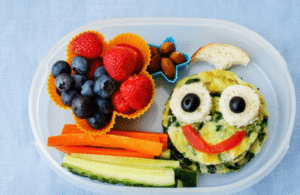
8. Pack Safe and Healthy School Lunches
Lunch helps children stay energized through the rest of the school day. A balanced lunch can also prevent the afternoon energy crash that often comes from eating too much sugar.
A healthy lunch might include:
- Lean protein, such as chicken, turkey, eggs, beans, or cheese
- Whole grains, such as whole-wheat bread or brown rice
- Fresh fruits
- Vegetables
- Water or plain milk
Keep food safe
Food safety is just as important as nutrition.
Remember to:
- Use an insulated lunch bag.
- Add an ice pack for foods that need to stay cold.
- Wash lunch containers every day.
- Throw away leftover perishable foods after school.
If your child has food allergies, remind them not to share food with classmates.
9. Update Allergy and Asthma Plans
For children with allergies or asthma, the start of school is a good time to review their care plan.
Meet with the school nurse or teacher if your child has:
- Food allergies
- Asthma
- Bee sting allergies
- Diabetes
- Seizure disorders
- Other ongoing medical conditions
Make sure the school has:
- Emergency medications
- Updated action plans
- Emergency contact information
- Instructions for recognizing symptoms
Teach your child, in an age-appropriate way, how to recognize warning signs and ask an adult for help if they do not feel well.
Tip: Check the expiration dates on inhalers, epinephrine auto-injectors, and other emergency medicines before school starts.
10. Review Emergency Contacts
Accidents and illnesses can happen anytime. Schools need current information so they can reach you quickly.
Double-check that the school has:
- Parent phone numbers
- Backup emergency contacts
- Home address
- Authorized pickup adults
- Healthcare provider information
- Allergy and medication information
If any information has changed over the summer, update it before the first day of school.
11. Make Sure the Backpack Fits Properly
An overloaded backpack can cause back, neck, and shoulder pain.
A healthy backpack should:
- Weigh no more than 10–15% of your child's body weight.
- Have two wide, padded shoulder straps.
- Sit in the middle of the back—not hanging too low.
- Be worn using both shoulder straps.
Encourage your child to place heavier books closest to their back. Clean out unnecessary items each week to reduce extra weight.
If your child complains of pain, numbness, or red shoulder marks, it may be time to lighten the load or choose a better-fitting backpack.
12. Prepare for Sports and Physical Activities
Whether your child plays soccer, basketball, football, dance, or simply enjoys recess, staying active is important.
Before sports begin:
- Complete any required sports physical.
- Check that protective gear fits properly.
- Replace damaged helmets or pads.
- Wear supportive athletic shoes.
- Pack a reusable water bottle.
Teach children to warm up before exercise and cool down afterward. Stretching can help reduce muscle soreness and lower the risk of injury.
Remind your child to stop playing and tell an adult if they feel dizzy, have chest pain, or suffer a head injury.
13. Teach Healthy Hygiene Habits
Schools bring many children together, making it easier for germs to spread.
Simple hygiene habits can greatly reduce the risk of illness.
Teach your child to:
- Wash hands with soap for at least 20 seconds.
- Wash before eating.
- Wash after using the bathroom.
- Cover coughs and sneezes with a tissue or elbow.
- Avoid touching their eyes, nose, and mouth.
- Throw away used tissues immediately.
If soap and water are not available, hand sanitizer can be helpful when used correctly.
Healthy habits not only protect your child but also help protect classmates and teachers.
14. Check In on Your Child's Mental Health
Back-to-school season is exciting for many children, but it can also bring stress.
Some children worry about:
- Meeting a new teacher
- Making friends
- Harder schoolwork
- Bullying
- Changing schools
- Social pressure
Take time to ask open-ended questions instead of questions that can be answered with "yes" or "no."
For example:
- What are you looking forward to this year?
- Is there anything you're worried about?
- How can I help you feel ready?
Listen carefully without interrupting or rushing to solve every problem.
Watch for warning signs
Talk with your child's healthcare provider if you notice:
- Ongoing sadness
- Frequent stomachaches or headaches with no clear cause
- Trouble sleeping
- Loss of interest in favorite activities
- Big changes in appetite
- Extreme anxiety about school
Let your child know that asking for help is a sign of strength, not weakness.
15. Make a Plan for Sick Days
Even healthy children get sick sometimes.
Having a plan before illness happens can make things much less stressful.
Stock your home with basic supplies such as:
- Thermometer
- Fever medicine (used as directed)
- Oral rehydration solution
- Tissues
- Hand sanitizer
Know your school's attendance policy and when children should stay home.
In general, children should stay home if they have:
- A fever
- Vomiting
- Diarrhea
- A contagious illness
- Symptoms that prevent them from participating in class
Keeping sick children at home helps protect classmates and gives them time to recover.
If you are unsure whether your child should attend school, contact your healthcare provider or school nurse for guidance.
Printable Back-to-School Health Checklist
Print this checklist or save it on your phone to help your family get ready for the new school year.
✅ Back-to-School Health Checklist
Medical Care
☐ Schedule a yearly well-child checkup
☐ Make sure vaccinations are up to date
☐ Update prescriptions if needed
☐ Pack emergency medications (inhaler, epinephrine auto-injector, etc.)
Vision & Hearing
☐ Schedule a vision exam if needed
☐ Check that glasses still fit and the prescription is current
☐ Schedule a hearing test if there are any concerns
Dental Health
☐ Book a dental cleaning and checkup
☐ Replace your child's toothbrush
☐ Buy fluoride toothpaste and dental floss
Healthy Habits
☐ Reset bedtime and wake-up routines
☐ Plan healthy breakfasts
☐ Pack balanced school lunches
☐ Buy a reusable water bottle
School Readiness
☐ Update emergency contact information
☐ Review allergy or asthma action plans with the school
☐ Check that the backpack fits properly and isn't too heavy
☐ Make sure sports equipment fits safely
Hygiene
☐ Review proper handwashing
☐ Teach your child to cover coughs and sneezes
☐ Pack tissues or hand sanitizer if allowed
Mental Health
☐ Talk about hopes and worries for the new school year
☐ Discuss bullying and how to ask for help
☐ Set healthy screen time rules
Home Supplies
☐ Check your thermometer
☐ Restock basic medicines
☐ Have oral rehydration solution available
☐ Know when your child should stay home from school
Final Thoughts
The beginning of a new school year is the perfect time to build healthy habits that can last all year. While no parent can prevent every illness or injury, taking a few simple steps now can make a big difference.
A yearly checkup, healthy sleep, balanced meals, good hygiene, and open conversations about mental health all help children feel their best. Small actions today can support better learning, fewer sick days, and a happier school experience.
Use this checklist each year as part of your family's back-to-school routine. As your child grows, you can adjust it to fit their changing needs and help them build lifelong healthy habits.
Key Takeaways
- Schedule a yearly well-child visit before school starts.
- Make sure your child's vaccines are up to date.
- Check vision, hearing, and dental health.
- Reset healthy sleep routines at least two weeks before school.
- Pack nutritious breakfasts and lunches.
- Review allergy, asthma, and emergency plans.
- Make sure backpacks fit properly.
- Encourage handwashing and healthy hygiene habits.
- Support your child's emotional well-being.
- Prepare for common illnesses before they happen.