When school starts to feel “too hard” for a child
School anxiety is one of those things that can sneak up quietly. At first, it might look like a small complaint. A stomachache in the morning. A bit of hesitation at the door. Nothing too serious, right? But over time, it can grow into something bigger, something that affects daily life.
In many cases, children do not even have the words to explain what they feel. So the body speaks instead. A child might say “I feel sick,” but there is no fever. Or suddenly become very clingy before school. It is not drama. It is stress showing up in a different form.
Health organizations like the American Academy of Pediatrics have pointed out that emotional stress in children often shows physical symptoms first. That idea helps explain why school anxiety is often misunderstood. It does not always look like fear. Sometimes it looks like silence, or even a simple delay in getting dressed.
What is school anxiety in children really about
School anxiety is not just “not wanting to go to school.” That is too simple. It is more like a growing fear tied to the school environment itself. The classroom, the social pressure, the expectations… all of it can feel overwhelming for some children.
For some kids, it is social fear. Talking in class feels risky. What if they say something wrong? For others, it is performance pressure. Tests, homework, being called on unexpectedly. And sometimes, it is separation anxiety. Being away from parents feels unsafe, even if nothing bad is happening.
There is also something subtle that often gets missed. Anxiety does not always start at school. Sometimes it builds at home and simply shows up at school. A change in routine, family stress, or even lack of sleep can slowly feed into that fear.
The World Health Organization has highlighted that anxiety disorders are among the most common mental health conditions in young people globally. That does not mean every worried child has an anxiety disorder. But it does show how common these emotional struggles can be, even when they are not obvious.
School refusal symptoms in kids: more than just skipping school
School refusal is when anxiety becomes strong enough that a child regularly avoids school. It is not the same as skipping for fun or rebellion. It feels different. There is usually distress involved.
One of the clearest signs is repeated morning struggles. The child may complain of stomach pain, headaches, or feeling tired every single school day. Weekends often look completely different. The child is fine, playful even. That contrast is a big clue.
Some children may cry, refuse to get out of bed, or cling tightly to a parent. Others might go quiet and withdrawn. It is not always loud resistance. Sometimes it is a slow shutdown.
There are also patterns teachers may notice:
- Avoiding classroom participation
- Asking to go home early
- Frequent visits to the school nurse
- Trouble joining group activities
It is worth noting that school refusal can sometimes escalate if not addressed early. The longer avoidance continues, the harder it becomes to return. The brain starts to associate school with danger, even when it is not.
Why school anxiety happens: common causes behind the behavior
There is rarely just one cause. School anxiety usually builds from a mix of factors, and it can look different for every child.
One common cause is academic pressure. Some children feel they must perform perfectly. A small mistake feels huge in their mind. Over time, school becomes a place of stress instead of learning.
Social pressure is another big one. Friendships at school are not always simple. Feeling left out, bullied, or misunderstood can quietly increase anxiety. Even subtle social tension can matter more than adults realize.
Family changes can also play a role. Moving homes, parental separation, or even new siblings can shift a child’s emotional balance. In some cases, the child feels less secure and starts seeking safety by staying close to home.
And then there is temperament. Some children are naturally more sensitive. They notice details more deeply and react more strongly to stress. That does not mean something is wrong with them. It just means their emotional system is more reactive.
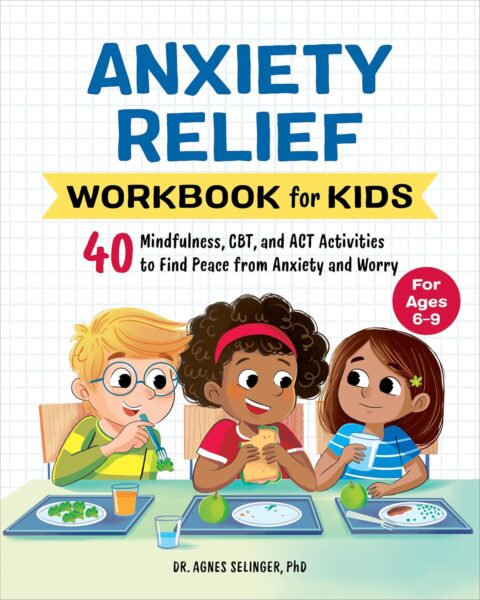
Anxiety Relief Workbook for Kids: 40 Mindfulness, CBT, and ACT Activities to Find Peace from Anxiety and Worry
Physical symptoms that often confuse parents
One of the trickiest parts of school anxiety is how physical it looks. Parents often end up in a loop of doctor visits, only to find nothing medically wrong.
Common physical signs include:
- Stomachaches, especially in the morning
- Headaches without clear cause
- Nausea or loss of appetite before school
- Tiredness that disappears after staying home
It can feel confusing. Why does the child seem sick only on school days? That pattern is often the key clue. Anxiety does not always wait in the mind. It shows up in the body first, especially in younger children who cannot fully express emotions.
Emotional and behavioral changes that should not be ignored
Beyond physical symptoms, there are emotional shifts that slowly become visible. A child who used to be outgoing may become quieter. Or a confident child may suddenly hesitate to try new things.
Irritability is common too. Small requests lead to big reactions. Homework becomes emotional. Morning routines feel tense. It is not “bad behavior” in the usual sense. It is overload.
Some children may also start asking repeated reassurance questions. “What if something happens?” “What if I get in trouble?” These thoughts can loop endlessly in their mind, making it hard to relax.
Experts at the National Institute of Mental Health note that anxiety often involves both emotional and physical responses working together. That combination is what makes it so draining for children.
When school anxiety turns into school refusal
There is a point where anxiety crosses a line into refusal. It is not sudden most of the time. It builds gradually.
First, there is hesitation. Then occasional absence. Then more frequent mornings missed. Eventually, school becomes something the child actively avoids.
This stage can feel stressful for parents and teachers. It may look like defiance from the outside. But underneath, there is usually fear, not rebellion.
The challenge here is that avoidance gives short term relief. The child feels better staying home. But long term, it strengthens the fear cycle. That is why early support matters so much.
Supporting a child with school anxiety: what actually helps
There is no quick fix, and honestly, that can feel frustrating. But small steps matter more than big dramatic changes.
Predictable routines can help reduce uncertainty. Calm mornings, simple instructions, and less rushed transitions can lower stress levels.
Listening without immediately correcting is also important. Sometimes a child just needs their feelings to be heard, not fixed right away.
In more persistent cases, professional support such as cognitive behavioral therapy is often recommended. It helps children slowly reframe anxious thoughts and build coping skills.
Schools can also play a role. Adjustments like flexible entry routines or supportive check-ins can make a real difference.
FAQ
1. What are the main symptoms of school anxiety in children
Common symptoms include stomachaches, crying in the morning, refusal to go to school, and constant worry about school-related situations.
2. What is school refusal in kids
School refusal is when a child repeatedly avoids going to school due to emotional distress or anxiety, not simply skipping for behavioral reasons.
3. Can school anxiety cause physical symptoms
Yes, children often experience headaches, stomach pain, nausea, or fatigue linked to anxiety, especially before school.
4. How do you help a child with school refusal
Support includes calm communication, predictable routines, school collaboration, and in some cases professional mental health support.
5. Is school anxiety common in children
Yes, according to the World Health Organization and mental health research, anxiety is one of the most common emotional challenges in children.