Flu season can be stressful for parents. One child comes home from school with a fever, classmates start getting sick, and suddenly the whole family is wondering who will be next. Even children who eat well and rarely get sick can catch the flu.
The good news? There are practical ways to lower your child's risk of getting the flu and help protect your family. Some are simple daily habits, like washing hands and getting enough sleep. Others, especially getting an annual flu vaccine, offer more direct protection against influenza.
The goal isn't to keep children away from every germ. That's nearly impossible when they go to school, play sports, visit friends, and spend time with other kids. Instead, focus on a few habits that make a real difference.
1. Make the Flu Vaccine a Yearly Priority
If there's one step parents should put at the top of their flu prevention list, it's the annual flu vaccine.
Flu viruses change over time, which is why protection from a previous season isn't enough. The vaccine is updated to help protect against the influenza viruses expected to circulate during the upcoming season. It can lower a child's chance of getting the flu and reduce the risk of serious complications if the child becomes infected.
The CDC recommends a flu vaccine every season for everyone aged 6 months and older, unless they have a medical reason not to receive it. Some children between 6 months and 8 years need two doses during a season, depending on their vaccination history. A pediatrician can help parents confirm the right schedule.
Ideally, children should get vaccinated before flu spreads widely in their community. However, if flu season has already started, vaccination may still be worthwhile.
One thing to remember: the vaccine doesn't provide instant protection. It generally takes about two weeks for the body to build an immune response. And although vaccinated children can still catch the flu, vaccination can help reduce the risk of severe illness.
A practical tip: Ask about the flu vaccine when scheduling your child's regular checkup or other vaccinations. Putting it on the family calendar can make it easier to remember each year.
Source: CDC, Preventing Seasonal Flu.
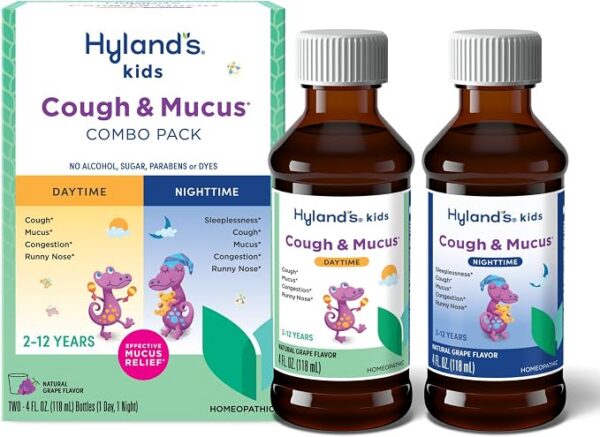
Hyland's Kids Cough Syrup & Mucus Relief 2-Pack (Day + Night) Grape 8 fl oz
2. Teach Children to Wash Their Hands Properly
Children touch a surprising number of things throughout the day. They share classroom supplies, hold playground equipment, touch door handles, and rub their eyes without thinking about it.
These ordinary habits can make it easier for germs to spread. Teaching children when and how to wash their hands is a simple way to support everyday infection prevention.
Encourage your child to wash their hands:
- Before eating or handling food.
- After using the bathroom.
- After coughing, sneezing, or blowing their nose.
- After playing outside or returning home.
- After touching surfaces that many people use.
Use soap and running water, and scrub for at least 20 seconds. If your child is too young to judge the time, singing a short song can help. Drying hands with a clean towel is also important.
When soap and water aren't available, an alcohol-based hand sanitizer can be a useful alternative. Adults should supervise young children when using it.
Don't expect perfect habits from a young child right away. A gentle reminder before lunch or after recess will usually work better than scolding them for forgetting.
3. Help Your Child Avoid Touching Their Face
Children often touch their eyes, nose, and mouth without noticing. They may bite their nails, rub their eyes when tired, or put their fingers in their mouths while watching television.
Because germs can reach the body through the eyes, nose, and mouth, reducing unnecessary face-touching is another useful everyday habit.
Of course, telling a child never to touch their face isn't realistic. Instead, make it easier for them to keep their hands clean. Keep tissues nearby, remind them to wash their hands regularly, and teach them to use a tissue rather than their fingers when their nose feels itchy or runny.
If your child has a habit of chewing on their fingers, avoid turning it into a constant battle. Calm reminders and better hand hygiene are more helpful than making them feel ashamed.
4. Teach Good Coughing and Sneezing Habits
A child who coughs or sneezes into their hands may spread germs to toys, desks, and other surfaces. Fortunately, this is a habit children can learn with practice.
Teach your child to cover their mouth and nose with a tissue when coughing or sneezing. The tissue should go straight into the trash, followed by handwashing.
If a tissue isn't available, coughing or sneezing into the inside of the elbow is a good alternative. This helps keep germs off the hands.
Parents and teachers can make this lesson part of everyday life. A quick reminder before school or a gentle demonstration at home may be enough.
Children also learn by watching adults. When parents cover their own coughs and wash their hands afterward, they show children what the habit looks like in real life.
5. Serve Balanced Meals Instead of Chasing Superfoods
Good nutrition supports a child's normal immune function, growth, and overall health. But no single food can prevent the flu, and expensive “immune-boosting” products aren't necessary for most healthy children.
Rather than focusing on one special ingredient, aim for a varied diet that includes fruits, vegetables, whole grains, protein foods, and dairy or suitable fortified alternatives.
For example, a child's usual meals might include:
- Fruits: Oranges, berries, apples, or bananas.
- Vegetables: Broccoli, carrots, spinach, or sweet potatoes.
- Protein foods: Eggs, beans, chicken, fish, tofu, or lentils.
- Whole grains: Oatmeal, whole-wheat bread, brown rice, or whole-grain pasta.
- Calcium-rich foods: Milk, yogurt, cheese, or fortified alternatives.
Vitamin C, vitamin D, zinc, and other nutrients help the body function properly. However, getting more than a child needs doesn't automatically mean better protection from infection.
Try not to worry if your child refuses broccoli one night or goes through a picky-eating phase. Look at eating patterns over time rather than judging every meal. Offering different foods repeatedly, without pressure, can help children gradually become more comfortable with them.
If your child has a very limited diet, a diagnosed deficiency, or a medical condition affecting nutrition, ask their pediatrician whether supplements are appropriate.
6. Protect Your Child's Sleep
Sleep is not just downtime. It supports growth, learning, emotional regulation, and normal immune function.
When children stay up late doing homework, playing games, or watching videos, they may not get the rest they need. During busy school weeks, this can become a regular pattern.
General sleep recommendations vary by age:
- Children ages 3–5: 10–13 hours per 24 hours, including naps.
- Children ages 6–12: 9–12 hours per night.
- Teenagers ages 13–18: 8–10 hours per night.
These ranges come from the American Academy of Sleep Medicine and are supported by the American Academy of Pediatrics.
A consistent bedtime and wake-up time can help children settle into a healthier routine. Keeping phones and tablets out of the bedroom at night may also reduce distractions.
If your child has trouble falling asleep, start with small changes. Move bedtime earlier gradually, keep the evening routine calm, and avoid making sleep another source of pressure.
Adequate sleep won't guarantee that your child avoids influenza, but it is an important part of maintaining overall health.
7. Encourage Daily Movement and Outdoor Play
Regular physical activity helps children build strength, supports heart and lung health, and contributes to overall well-being. It also gives children a break from long periods of sitting in classrooms or in front of screens.
Encourage activities your child actually enjoys. That might mean riding a bike, playing tag, dancing in the living room, walking the dog, or joining a sports team.
For school-aged children and teenagers, the CDC recommends at least 60 minutes of moderate-to-vigorous physical activity each day. Younger children also benefit from plenty of active play throughout the day.
Outdoor activities can be especially useful because fresh air and more space may reduce exposure to respiratory viruses compared with crowded indoor settings.
Still, exercise should not be treated as a flu prevention treatment. A child who plays sports every day can still become infected. The goal is to support healthy development, not to make children feel they must exercise to avoid getting sick.
If your child already has a fever or feels unwell, let them rest instead of pushing them to exercise.
8. Keep Your Child Hydrated
Water helps regulate body temperature, supports digestion, and allows the body to carry out its normal functions. Children need regular access to fluids throughout the day, especially when they're active or the weather is hot.
Keep a refillable water bottle available for school, offer water with meals, and encourage drinking after physical activity.
There is no single rule that every child must drink eight glasses of water a day. Fluid needs vary depending on age, body size, activity, weather, and the water children get from food and other beverages.
Water is usually the best everyday choice. Milk can also contribute to fluid intake and provide nutrients. Sugary drinks are best kept occasional.
It's also worth remembering that drinking extra water doesn't flush the flu virus out of the body or prevent infection. Hydration is a healthy daily habit, not a substitute for vaccination or other preventive steps.
9. Improve Airflow and Be Careful Around Sick People
Flu spreads mainly through respiratory particles released when an infected person breathes, talks, coughs, or sneezes. Close contact with someone who has the flu can increase the chance of infection.
Parents can't control every situation at school, but a few practical steps can help.
Open windows when weather and safety conditions allow. Use a suitable air purifier if one is available, and encourage outdoor gatherings when practical. Avoid close contact with people who are clearly sick, especially when a family member is at higher risk of complications.
During periods of high respiratory virus activity, a well-fitting mask may offer an additional layer of protection in crowded indoor spaces. This can be worth considering for children who are medically vulnerable or who live with someone at higher risk.
At home, clean frequently touched surfaces as needed, especially when someone is ill. However, don't let cleaning take over the whole day. Improving indoor air, staying home when sick, vaccination, and hand hygiene all deserve attention.
10. Be Careful With Herbal Supplements and “Immune Boosters”
Products containing elderberry, echinacea, astragalus, probiotics, or high doses of vitamins are sometimes promoted for immune support. Parents may feel tempted to try them when flu season begins.
But traditional use or a popular label doesn't prove that a product prevents influenza in children. Evidence varies by product, and many supplements have not been adequately studied in children. Products can also cause side effects, interact with medicines, or be unsuitable for certain medical conditions.
Probiotic foods such as yogurt can be part of a balanced diet, but eating them should not be presented as a reliable way to prevent the flu. The same goes for herbal teas and vitamin gummies.
Before giving a child a supplement, discuss it with their pediatrician, particularly if your child takes medication, has allergies, or has a chronic health condition.
For most families, the best starting point is not a cabinet full of supplements. It's a yearly flu vaccine, regular meals, enough sleep, activity, and good hygiene habits.
11. Keep Sick Children Home and Protect the Family
Even families that follow good prevention habits will sometimes get sick. What matters then is limiting the spread and helping the child recover.
If your child develops flu symptoms, such as fever, cough, body aches, headache, or unusual tiredness, keep them home from school and activities while they're too sick to participate or may spread the illness.
The CDC advises people with respiratory virus symptoms to stay home until symptoms have been improving overall for at least 24 hours and any fever has been gone for at least 24 hours without fever-reducing medicine. Follow local school policies and any additional guidance from your child's healthcare professional.
While your child is ill:
- Encourage rest and offer fluids regularly.
- Teach household members to wash their hands.
- Improve airflow in shared rooms when possible.
- Avoid sharing cups and utensils.
- Clean frequently touched surfaces as needed.
- Keep distance from infants, older adults, and people at higher risk when possible.
Children under 5, especially those under 2, and children with certain chronic health conditions have a higher risk of serious flu complications. If your child is in a higher-risk group and develops flu symptoms, contact their healthcare professional promptly. Antiviral medicines may be recommended for some children, and they work best when started early.
Seek urgent medical care if your child has trouble breathing, bluish lips or face, severe dehydration, unusual confusion, difficulty waking, seizures, or symptoms that improve and then return with fever or a worse cough.
12. Make Flu Prevention a Family Habit
Children are more likely to follow healthy habits when those habits are part of normal family life. Instead of giving them a long list of rules when flu cases begin to rise, build small routines throughout the year.
Put handwashing before meals. Keep tissues in easy-to-reach places. Set a regular bedtime. Offer balanced meals without turning food into a battle. Make time for movement and outdoor play. Check the family's vaccination schedule before flu season gets busy.
It also helps to talk about illness without frightening children. Explain that germs are too small to see, that everyone gets sick sometimes, and that simple habits can help protect themselves and others.
Most importantly, avoid suggesting that a child who catches the flu must have done something wrong. Even vaccinated children who eat well and sleep enough can become ill. Prevention lowers risk; it doesn't offer perfect protection.
A calm, consistent approach gives children something more valuable than a promise that they won't get sick: the skills to care for their health as they grow.
FAQ
1. What is the best way to prevent the flu in children?
The most important step is getting a flu vaccine every year, starting at 6 months of age unless there is a medical reason not to. Handwashing, covering coughs and sneezes, cleaner indoor air, adequate sleep, and staying home when sick can provide additional protection.
2. Can healthy eating prevent children from getting the flu?
No. A balanced diet supports normal immune function, but it cannot guarantee that a child won't catch influenza. Vaccination and everyday infection prevention measures remain important.
3. Do vitamin C or zinc supplements prevent the flu?
Neither supplement should be relied on as a way to prevent influenza. Children generally benefit most from getting nutrients through a varied diet. Ask a pediatrician before using supplements, especially high doses.
4. Should children take probiotics during flu season?
Probiotic foods such as yogurt can be part of a healthy diet. However, probiotics should not be considered a proven way to prevent seasonal flu in children. Ask a healthcare professional before giving a child a probiotic supplement.
5. Can a child still get the flu after vaccination?
Yes. The vaccine does not prevent every infection, and protection varies by season and other factors. However, vaccination can reduce the risk of serious flu outcomes, including complications and hospitalization.